


Buying an Alpine Chalet Doesn’t Guarantee You Can Stay in It
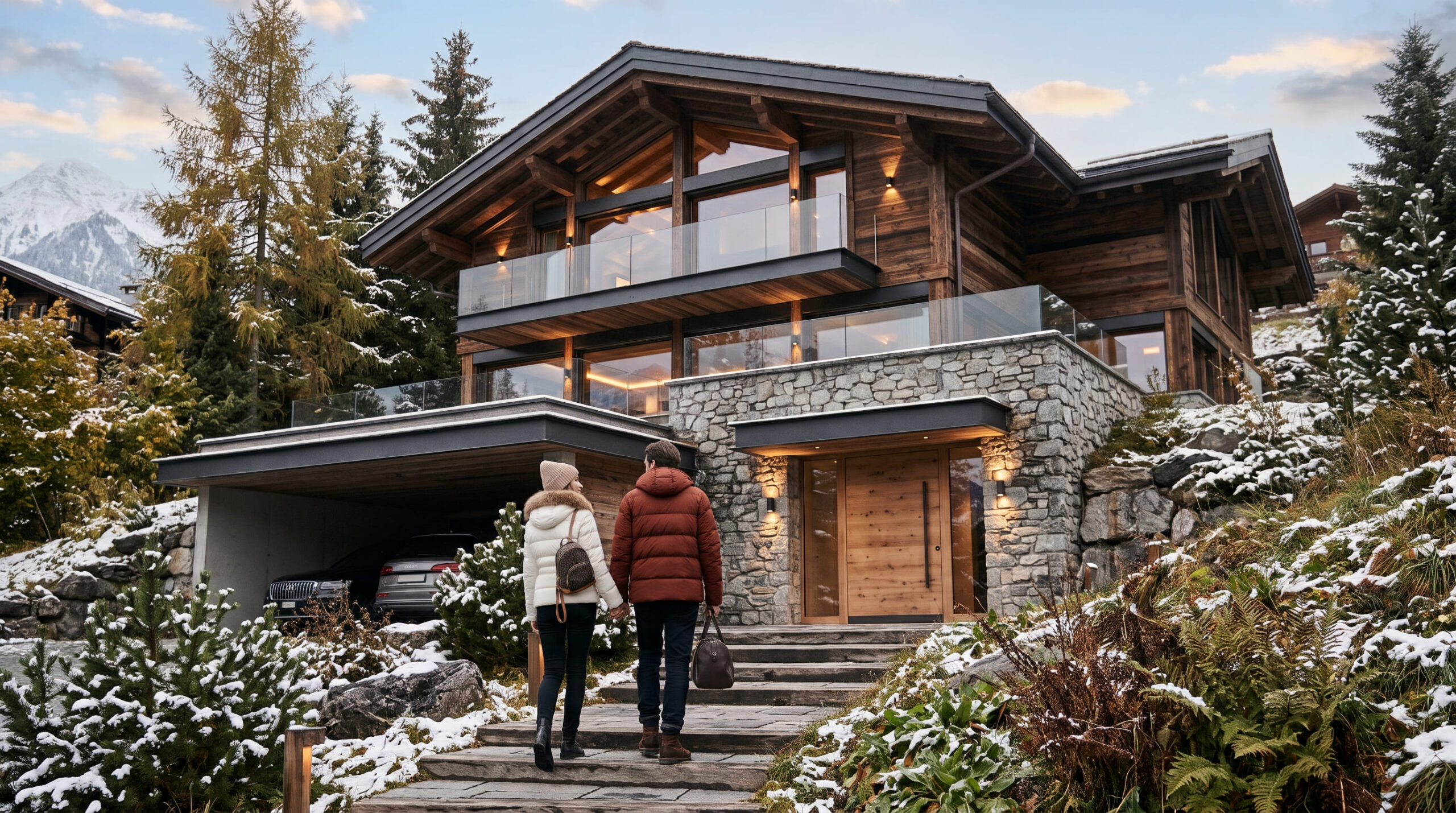
From Switzerland’s Lex Koller restrictions to Austria’s tightly controlled holiday residences, understanding what you can own, how you can use it and when you can stay may prove just as important as the property itself.
A chalet overlooking Verbier may be comfortably within your budget. The location is right, the property meets your expectations, and the seller is ready to negotiate. Naturally, you begin imagining winter holidays with your family, perhaps a few weeks in summer, and the possibility of passing the property on to the next generation.
Yet before you make an offer, there is something worth establishing. The fact that you can afford a chalet, or even legally purchase it, does not necessarily mean you can use it as your private holiday home.
Across Switzerland and Austria, two apparently comparable residences can offer fundamentally different ownership rights. One might be yours to occupy whenever you choose. Another may require participation in a hotel rental programme, with personal visits limited to specific periods. In some arrangements, you may even need to pay for accommodation in a property you own.
These distinctions are particularly important for international purchasers, and they are rarely apparent from a property’s photographs, brochure or asking price.
The right to purchase is only the beginning
Switzerland offers a useful place to start because its restrictions are among the most established in Europe. Under Lex Koller, the federal legislation governing property acquisitions by foreign nonresidents, buying property in Switzerland depends on your nationality, residence status and the nature of the property.
For example, a German citizen living in Munich may face restrictions when purchasing a Swiss chalet that would not apply in the same way to a German citizen genuinely resident in Switzerland. An American living abroad will generally need an applicable exemption or authorisation.
Fortunately, foreign ownership is permitted in certain circumstances. Cantons including Valais, Graubünden, Bern and Vaud have designated tourist locations where qualifying nonresidents may obtain approval, subject to available quotas and property restrictions.
However, the permission needs to concern your particular circumstances and the actual property. Even size can become an issue, since ordinary Swiss holiday-home authorisations generally limit net living space to 200 square metres, with exceptions requiring justification.
Then comes another layer of legislation, commonly known as Lex Weber.
Switzerland’s Second Homes Act restricts the development of new unrestricted holiday residences in municipalities where second homes exceed 20% of the housing stock. Existing properties with lawful historic second-home status can enjoy different rights, particularly where they were authorised before the March 2012 referendum.
That makes the property’s history surprisingly relevant. A traditional chalet built decades ago may offer greater freedom of occupation than a newly completed luxury residence nearby, provided you are personally eligible to purchase it. This is precisely why the approved use of a property should be established alongside your eligibility as a purchaser.
Switzerland’s exceptional resort permissions deserve closer attention
Andermatt provides a particularly interesting example of how exceptional these arrangements can be.
In 2006, the Swiss Federal Council granted a special exemption from Lex Koller authorisation for the designated Andermatt tourist development. The decision recognised the project’s national economic significance, and in February 2021, the exemption was extended until 31 December 2040.
For international purchasers, this created an unusual ownership opportunity within the approved development. Projects associated with Andermatt’s resort market, including The Chedi Residences, TOVA and La Forêt, demonstrate the variety of residential products available under the wider resort setting.
Still, the exemption is attached to the approved project’s legal scope. It does not apply indiscriminately to every property in Andermatt, nor does it automatically provide unrestricted personal occupation.
The importance of that distinction becomes apparent when you consider Bürgenstock Resort. In November 2023, the Swiss Federal Council rejected Bürgenstock’s request for a comparable national-interest exemption covering individual residential sales. Any proposed transactions would instead need to be examined through ordinary authorisation procedures.
Both resorts have international appeal, yet the regulatory treatment of their residential properties differs significantly.
There are very few examples of such exceptional federal resort exemptions. Nevertheless, foreign buyers can also acquire eligible Swiss holiday properties through the ordinary cantonal authorisation system. For that reason, an advertised exemption should always be examined in context. The relevant legal decision, the specific unit covered and its occupation conditions are considerably more useful than a general assurance that foreign ownership is permitted.
Austria has its own rules, and the location changes everything
Austria presents a different challenge because its property laws operate at provincial level. EU and EEA citizens are generally treated like Austrian citizens for foreign-purchaser approval, while other nationalities may require provincial authorisation, subject to exceptions. However, this tells you relatively little about whether the residence can actually be used as a holiday home.
Take Kitzbühel, where international demand for luxury chalets remains closely associated with skiing, privacy and seasonal living.
Under Tyrol’s spatial planning legislation, properties used primarily for holidays or occasional recreation are classified as Freizeitwohnsitze. Such use generally requires an existing lawful registration, designation or specific authorisation. Consequently, even an Austrian purchaser can acquire a residential property in Kitzbühel without being entitled to use it as a private weekend residence.
The same level of attention is necessary in Salzburg and Vorarlberg, although their respective regulations differ. Certain developments permit tourist accommodation through professionally managed hotel operations, while others may have specific holiday-home permissions.
Six Senses Residences Kitzbühel Alps provides an instructive example. Despite it’s name, the project is situated in Mittersill, Salzburg, rather than Tyrol. Its marketed holiday-home privileges therefore need to be evaluated under Salzburg’s legislation and the individual property’s approvals.
There is a further consideration here. Reports throughout 2026 documented construction difficulties and the withdrawal of a proposed €120 million investor. Whatever the ultimate outcome, the case illustrates why planning permissions, financial security and delivery obligations deserve separate examination.
A development’s hospitality brand may be impressive, but the legal and commercial foundations of the property still require independent scrutiny.
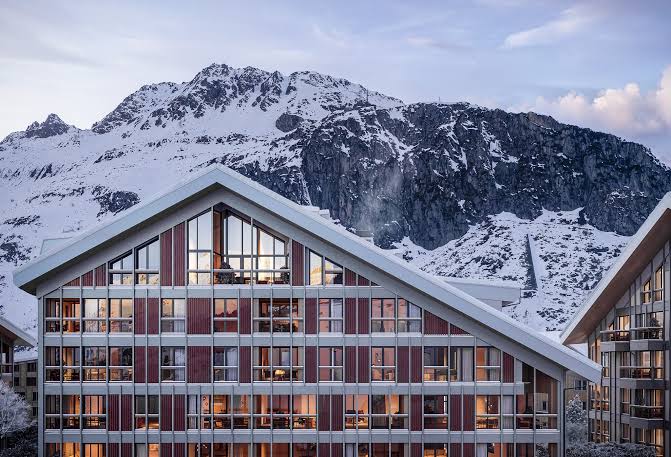
Your rental agreement may determine your next winter holiday
This is often where an otherwise attractive acquisition becomes considerably more complicated.
Suppose you purchase a professionally managed mountain residence with the intention of spending Christmas and several winter weeks there, while generating rental income during the remaining months.
On paper, that sounds like a sensible arrangement. However, some managed residences must remain available to hotel guests during peak season. Your personal visits may require advance reservations, fall within an agreed allocation or be charged at preferential owner rates.
In certain investment structures, personal occupation may be unavailable altogether. Others provide more generous owner privileges, and independently authorised holiday homes may permit considerable freedom without compulsory hotel management.
There is no universal Austrian regulation allowing every owner 70 days of personal use, despite figures of this kind occasionally appearing in property marketing. Such limits must be traced to the applicable permission or operating agreement.
You should therefore examine the rental arrangement carefully, particularly its booking priorities, management charges and provisions for terminating the contract.
And consider the longer term. If the operator encounters financial difficulties, changes ownership or ceases trading, the property’s permitted use may continue to depend on its hotel classification. Likewise, resale prospects can be affected by restrictions on future purchasers and the obligations that remain attached to the residence.
All of this can influence what the property is worth to you, regardless of its market valuation.
The most valuable checks happen before the offer
By this stage, the priorities become fairly straightforward. Before proceeding with a particular chalet, you should have written confirmation of your eligibility to purchase it, its approved residential or tourist use, and the precise conditions governing personal occupation.
That means reviewing the land register, planning permissions, applicable foreign ownership authorisations and any rental or hotel management agreements. Where an exceptional exemption is advertised, its legal documentation should identify the property concerned.
Just as importantly, the financial evaluation should account for management fees, maintenance, taxes, furnishing reserves and the income potentially sacrificed during your own stays. A guaranteed rental return deserves particular scrutiny of the party providing it and the conditions attached.
Finally, local legal specialists should confirm that the intended use is lawful and explain any restrictions that could affect future resale.
These checks may change which properties belong on your shortlist. That is far preferable to discovering the limitations after you have committed to the purchase.
The value of having someone who understands the local market
When searching across different Alpine destinations, the advantage of a knowledgeable local advisor is the ability to recognise these complications early.
Through the Baerz & Co personal property advisory network, international purchasers can work with specialists who understand the property markets and the local considerations behind an acquisition.
In Switzerland, Kees Jan de Jong advises international clients in markets including Andermatt and the Bernese Oberland. In Austria, Michael Huber and his team bring extensive regional experience to the Greater Kitzbühel area.
Their local market knowledge becomes particularly useful when identifying properties suited to your intentions, recognising differences between conventional residences and managed accommodation, and coordinating the necessary checks with legal professionals.
Two chalets in the same resort may come with entirely different ownership rights, and those differences can have lasting financial consequences. Before committing, you need to know exactly what you are entitled to use, which obligations you are assuming and how those conditions could affect the property’s future resale value. A well-informed purchase begins with understanding these terms, rather than discovering their limitations once the transaction is complete.
The objective is to establish those priorities early, so the properties you consider are compatible with the ownership experience you want.
You can explore our Swiss property markets and Kitzbühel residences, or connect with a Personal Property Advisor to discuss the type of acquisition you have in mind.
A chalet should deliver the ownership you intended
Switzerland and Austria offer exceptional opportunities for those who understand their respective ownership structures. Some properties provide considerable personal freedom, while others are better suited to investors comfortable with professional management and restricted occupation.
Neither arrangement is inherently preferable. Your intended use, financial expectations and long-term plans should determine which one makes sense.
And once those rights are properly established, you can approach the purchase knowing precisely what you are acquiring.
FAQ About Buying an Alpine chalet
Can foreigners buy property in Switzerland?
Yes, although Switzerland restricts residential purchases by certain foreign nationals under Lex Koller. Eligibility depends on your nationality, residence status and the property’s location. Nonresident buyers may qualify for holiday homes in designated tourist areas, subject to cantonal authorisations and quotas. Certain developments also benefit from specific exemptions, although ownership does not automatically permit unrestricted personal use.
Can foreigners buy property in Austria?
Yes. EU and EEA citizens generally have the same acquisition rights as Austrian nationals, while non-EU buyers may require provincial authorisation, subject to applicable exceptions. However, purchasing a property does not necessarily entitle you to use it as a holiday residence. Provinces including Tyrol and Salzburg maintain separate planning restrictions governing second homes and tourist accommodation.
What is Lex Koller, and how does it affect foreign chalet buyers?
Lex Koller is Switzerland’s federal legislation restricting residential property acquisitions by certain foreign nonresidents and foreign-controlled entities. Whether it applies depends on the purchaser’s legal status, residence and intended acquisition. Qualifying buyers may obtain authorisation in designated tourist areas, while certain developments benefit from specific exemptions. Separate second-home regulations can still restrict how the property is occupied.
Can you stay in a chalet you own in Switzerland or Austria?
That depends on the property’s approved use and ownership agreements. Some chalets permit unrestricted personal occupation, while hotel-managed residences may limit stays to designated periods or require advance reservations and accommodation charges. In Switzerland, second-home legislation and property-specific conditions apply. In Austria, provincial planning regulations and operating agreements determine the extent of your personal-use rights.
Are chalet owners required to rent out their properties in Switzerland or Austria?
Not necessarily. In Switzerland, authorised private holiday homes may generally be rented periodically, while certain aparthotel residences must remain available for hotel operations, particularly during peak season. Austria has different provincial requirements, and some tourist developments depend on professional rental management. Any mandatory rental periods, owner-use allocations or booking restrictions should be confirmed against the property’s permissions and operating agreement.
Are some Swiss resort developments exempt from Lex Koller?
Yes. Certain developments within Andermatt, including residences marketed as The Chedi, TOVA and La Forêt, benefit from the resort’s exceptional federal ownership framework, subject to the approved project’s boundaries. Elsewhere, foreign purchasers may obtain authorisation for eligible properties in destinations such as Verbier, Crans-Montana and Gstaad. These arrangements differ legally, and personal occupation or rental restrictions must be assessed separately.