



Baerz’s 2026 Luxury Real Estate and Investment Forecast examines a market defined by selectivity, jurisdictional differentiation, and disciplined capital deployment. Prime residential property continues to transact across Europe and beyond, yet outcomes vary materially depending on regulation, asset quality, and buyer intent.
City centres such as Paris, Madrid, Milan, Zurich, Geneva, and London function as liquidity anchors, supported by domestic demand and cross-border capital seeking legal clarity and established exit depth. Mediterranean and lifestyle markets operate on different terms, rewarding usability, infrastructure, and year-round accessibility. Alpine destinations remain defined by scarcity and low ownership turnover. Across all regions, performance in 2026 depends on structural alignment rather than sentiment.
Policy now acts as a measurable variable in residential performance. Changes to rental regulation, energy compliance standards, ownership transparency, and residency frameworks influence both pricing behaviour and liquidity depth.
Jurisdictions offering stable ownership regimes and predictable taxation sustain transaction flow. Markets undergoing regulatory adjustment experience longer due diligence cycles and wider pricing dispersion. In 2026, buyers assess legal frameworks with the same scrutiny previously reserved for location and design. Regulation shapes demand geography, directing capital toward markets where future exit conditions are clearly identifiable.

Transaction volumes across prime segments remain active, though below prior cyclical peaks. Liquidity concentrates in assets that meet current buyer requirements on energy standards, layout functionality, and legal clarity. Properties aligned with these expectations transact within narrow negotiation ranges. Assets requiring structural adjustment or regulatory interpretation face extended marketing periods.
Pricing behaviour reflects discipline. Sellers anchor to recent comparables, and buyers evaluate long-term usability and operational costs alongside acquisition price. Market-wide indices suggest stability, yet asset-level dispersion has widened. In 2026, performance is granular, driven by configuration and jurisdiction rather than broad appreciation.
Cross-border capital remains a defining force in luxury residential markets. High-net-worth individuals continue to diversify geographically, prioritising political stability, transparent ownership structures, and established international connectivity.
Southern Europe attracts relocation-driven demand focused on lifestyle integration and infrastructure quality. Select Adriatic markets draw buyers seeking coastal exposure within evolving regulatory environments. Core European cities maintain appeal for capital preservation and institutional-grade liquidity. Beyond Europe, destinations such as the UAE, Mauritius, and parts of the Caribbean attract capital seeking jurisdictional differentiation and residency flexibility. Migration patterns in 2026 reflect strategic relocation rather than opportunistic movement.

Demand in 2026 distributes across distinct residential archetypes. Core urban centres provide transactional depth and exit certainty. Mediterranean hubs reward lifestyle usability and rental permissibility clarity. Adriatic micro-locations depend on finished infrastructure and marina-led ecosystems. Alpine markets derive resilience from limited supply and established domestic demand.
Liquidity varies accordingly. City-centre apartments transact consistently where compliance standards are met. Coastal villas in proven locations change hands efficiently when ownership frameworks are transparent. Peripheral developments and yield-dependent stock experience narrower buyer pools. The geography of demand has become precise.
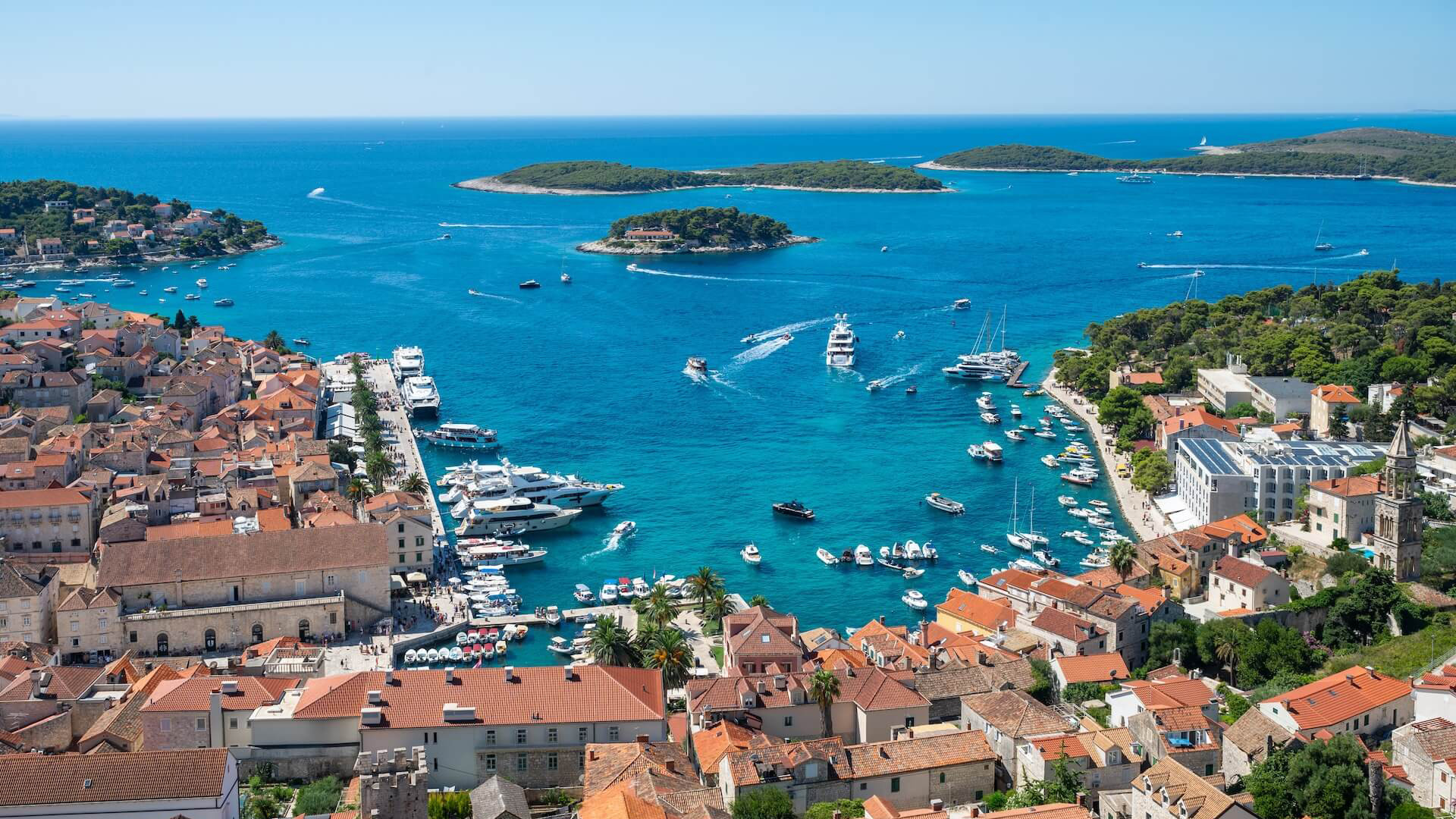
High-growth coastal regions across Spain, Portugal, Italy, Greece, Croatia, and Montenegro continue to attract international capital. Performance concentrates in established sub-markets such as Marbella and Mallorca, Cascais and Comporta, Lake Como and Puglia, the Athens Riviera, Dubrovnik, Split, and Luštica Bay and Porto Montenegro.
These markets reward completed assets with infrastructure depth and year-round accessibility. Buyers prioritise construction quality, marina access, service provision, and compliance with evolving energy standards. Growth in 2026 emerges through transaction continuity and infrastructure maturity rather than speculative expansion.

Beyond Europe, residential capital diversifies toward jurisdictions offering tax clarity, long-term residency pathways, and globally connected hubs. The UAE maintains momentum through branded developments and structured ownership environments. Mauritius combines lifestyle positioning with structured investment frameworks. Select Caribbean markets attract capital through legal continuity and limited supply.
Global diversification in 2026 focuses on risk distribution rather than yield maximisation. Investors assess currency exposure, regulatory transparency, and long-term exit pools. Residential property serves as both capital allocation and geographic positioning tool.

Buyer behaviour in 2026 reflects structural recalibration. Legal and tax advisors enter earlier in the transaction process. Holding horizons extend. Energy compliance, governance structures, and operational efficiency factor directly into underwriting.
Multi-use ownership, combining personal occupancy with regulated rental potential, shapes acquisition criteria. Branded and serviced residences attract buyers seeking governance certainty and professional management. Boutique advisory relationships gain prominence as transactions become more complex and jurisdiction-specific.
Asset positioning now determines liquidity. Prime city residences with strong transport links and energy-efficient design command consistent demand. Mediterranean villas offering year-round infrastructure and rental clarity maintain buyer depth. Alpine properties with resort proximity and established domestic demand preserve value through scarcity.
Development-led stock requires precise execution and infrastructure delivery to compete. Investors evaluate ownership structures, service provision, and exit optionality alongside location fundamentals. Long-term performance in 2026 aligns with regulatory compliance, usability, and buyer pool breadth.
Macro conditions influence behaviour but do not dictate uniform outcomes. Under stabilising interest rates and predictable policy environments, transaction flow remains steady in core markets. Under regulatory tightening or fiscal recalibration, liquidity concentrates around assets with established compliance and clear use cases.
Time on market expands where uncertainty increases. Negotiation latitude widens in policy-sensitive segments. Cross-border capital reallocates toward jurisdictions offering continuity. In 2026, residential markets respond to macro divergence through asset-level differentiation rather than systemic repricing.
Prime residential property in 2026 operates within defined structural parameters. Liquidity follows legal certainty and identifiable exit depth. Pricing reflects alignment with regulatory standards and buyer expectations. Regions offering transparent ownership regimes and mature infrastructure sustain transaction continuity.
City centres deliver depth and governance clarity. Mediterranean markets reward usability and infrastructure integration. Adriatic locations depend on micro-positioning and completed ecosystems. Alpine destinations derive resilience from limited supply and domestic demand strength.
The Baerz 2026 Luxury Real Estate and Investment Forecast presents detailed regional analysis, pricing dynamics, migration data, and scenario modelling across Europe and global lifestyle markets. For investors, advisors, and agencies operating at the upper end of the residential market, understanding these structural distinctions is essential.
To explore the full research, regional breakdowns, and data-driven projections, access the complete 2026 Luxury Real Estate and Investment Forecast and review the in-depth analysis shaping prime residential strategy this year.

























 Dutch
Dutch  German
  Spanish
  French
  Arabic
  Chinese
  Russian
  Swedish
  Portuguese
  Polish
  Greek
Greek  Italian