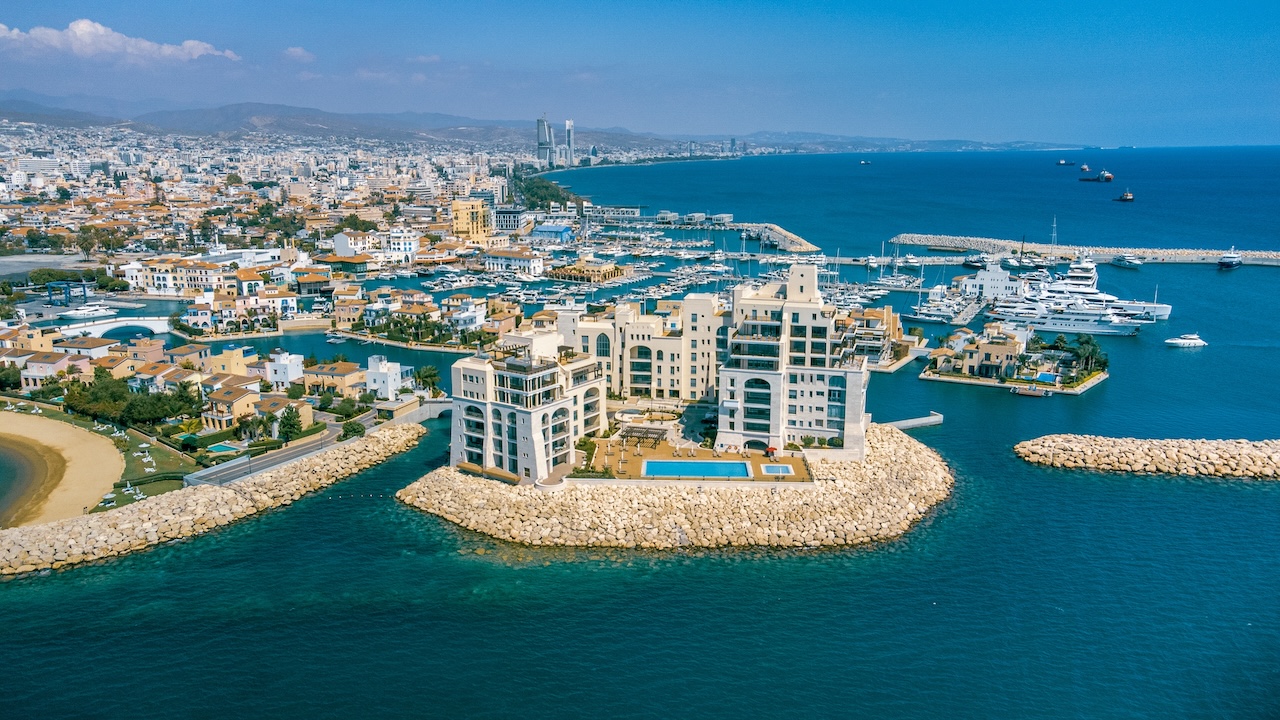


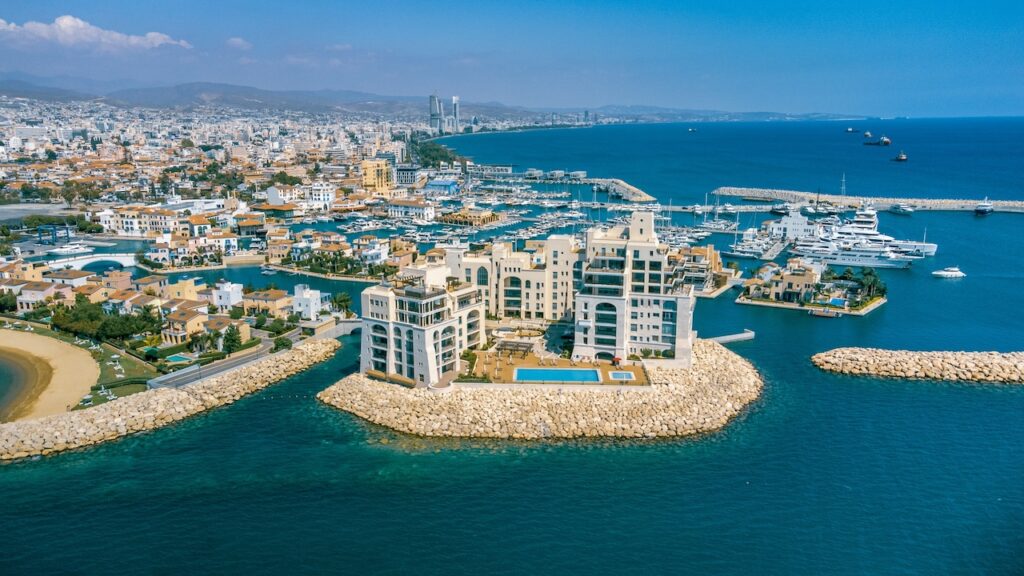
Cyprus recorded 1,681 property-sale contracts in September 2026, its strongest September on record. But the more interesting development is happening across the island. Limassol remains the largest market by transaction volume, Larnaca is recording particularly strong growth, and Paphos continues to attract a substantial international purchasing audience. Meanwhile, Nicosia presents a different proposition for those looking to establish a permanent home or invest in an established urban market.
If you’re considering buying property in Cyprus, that’s an encouraging range of possibilities. It also raises a question worth discussing before you begin viewing properties: which part of the island actually suits your intentions?
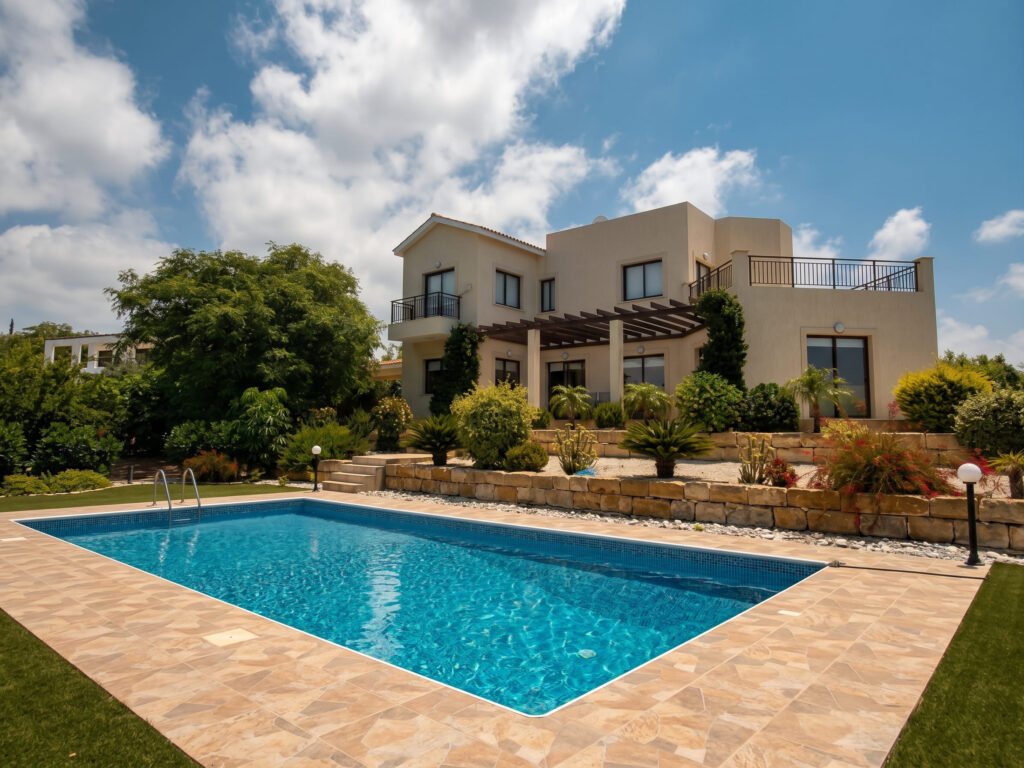
After all, an apartment overlooking Limassol Marina, a villa outside Paphos and a family residence in Nicosia are very different acquisitions. Their appeal, ownership costs and likely resale audiences vary considerably, even when national statistics suggest they’re participating in the same property market.
And the latest figures give us plenty to examine.
According to the Department of Lands and Surveys, 14,969 contracts of sale were deposited between January and September 2026, approximately 14% above the equivalent period in 2025.
September alone recorded 1,681 contracts, a 13% annual increase. Limassol led with 506, followed by Larnaca with 393, Nicosia with 374 and Paphos with 345. Larnaca posted particularly impressive growth, with September contracts increasing 29% compared with the previous year.
International demand is another significant part of the picture. Of September’s deposited contracts, 705 were attributed to foreign purchasers, representing approximately 42% of the national total.
And there’s substantial money behind the activity. According to an October 2026 analysis of land-registry figures, completed property transfers between January and July carried a declared value of €2.70 billion, with Limassol accounting for approximately €1.084 billion.
These are two separate measurements: deposited contracts indicate purchasing activity, while completed transfers record ownership transactions. Neither should be confused with a forecast of future returns.
What they do establish is that Cyprus is attracting considerable property interest across several distinct residential markets.
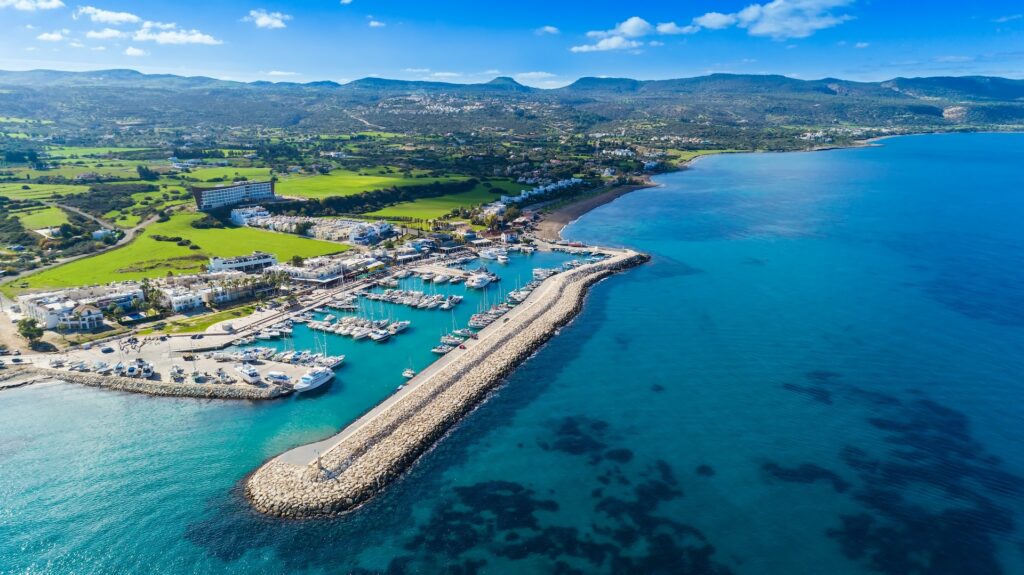
The Central Bank of Cyprus reported annual residential property price growth of 8.5% in the second quarter of 2026, with apartments increasing 8.9% and houses 5.8%.
The regional picture is particularly interesting.
Larnaca recorded annual growth of 9.8%, followed by Paphos at 9.6%, while Limassol registered 7.8% and Nicosia 5.7%. Famagusta recorded 10%, although its smaller transaction base deserves consideration when interpreting the result.
So if you’ve been concentrating exclusively on Limassol because of its established international reputation, there may be good reasons to broaden your search.
That doesn’t automatically make a faster-growing district the better investment. The price you pay, the property’s condition, competing supply and the likely demand for that particular type of home will influence the eventual outcome.
And supply is responding. Building permits covered 8,978 residential units between January and May 2026, an increase of 63.7% year on year. Those units haven’t necessarily been completed, but the pipeline deserves attention if you’re considering purchasing off-plan.
A good acquisition should make commercial sense independently of an impressive national growth figure.
One of the country’s advantages is that its principal property markets serve quite different priorities. The decision becomes particularly interesting when you examine the residential proposition behind each location rather than comparing asking prices alone.
Limassol’s international reputation is well established, supported by shipping, finance, professional services and a substantial business community.
That commercial activity contributes to demand for properties used throughout the year, alongside the city’s waterfront residential market.
If you prefer apartment living, the Marina, Old Port and central seafront offer convenient access to restaurants and urban amenities. Neapolis and Germasogeia present different residential environments, while Agios Athanasios and Mesa Geitonia may warrant closer consideration if you’re relocating with family.
Further east, Agios Tychonas and Mouttagiaka offer larger residences, elevated positions and coastal views.
But we’d evaluate the properties individually. A managed apartment with extensive facilities may involve significant service charges, while a hillside villa requires a different assessment of maintenance, access and neighbouring development.
The address may establish the initial appeal. The individual property has to justify the price.
Paphos recorded a notably high proportion of foreign-buyer contracts during the first seven months of 2026, approximately 70% according to the reported district figures.
That international profile is understandable given the area’s established second-home communities, coastal residences and range of villas and apartments.
If you’re considering extended seasonal visits, areas such as Peyia, Tala and Kouklia offer different possibilities from a central Paphos apartment.
We’d want to establish how frequently you intend to use the home, the amount of privacy you prefer and how comfortably the property can be maintained during your absence.
And if rental income is part of your plans, the analysis should extend to permitted use, realistic occupancy and the income remaining after management and operating expenses.
Paphos has a compelling residential proposition. The important part is identifying which properties support the ownership arrangement you have in mind.
Larnaca deserves consideration on the strength of its recent performance.
Its September contract activity increased 29% year on year, while residential prices recorded annual growth of 9.8% in the second quarter.
The city’s international airport, established urban areas and coastal residential neighbourhoods make it relevant to people considering both permanent residences and second homes.
Of course, recent growth alone shouldn’t determine your choice. We’d examine the particular neighbourhood, comparable transactions and the quality of the available housing before deciding how an asking price stands up against the local market.
If you’ve previously concentrated your search elsewhere in Cyprus, Larnaca is certainly worth including in the comparison.
Nicosia doesn’t rely on waterfront residential developments to attract property purchasers. As the country’s capital, it serves an established market connected to employment, education, administration and everyday residential requirements.
Its 374 deposited contracts in September demonstrate meaningful activity, although the market has a different composition from the more internationally oriented coastal districts.
If you’re relocating for professional reasons or considering a family residence, the convenience of schools, business districts, services and daily travel may influence your decision.
For a rental acquisition, we’d examine the relevant long-term tenant audience and comparable residential properties rather than applying assumptions drawn from seasonal coastal lettings.
Nicosia deserves consideration on its own terms, particularly when your priority is a home intended for regular, year-round occupation.
There have been important changes to Cyprus’s property acquisition costs in 2026.
Stamp duty was abolished for documents signed from 1 January 2026, removing an expense previously associated with many transactions. However, VAT, transfer fees where applicable, legal expenses and other acquisition costs remain.
The Department of Lands and Surveys applies a graduated transfer-fee scale of 3%, 5% and 8%, generally subject to a 50% reduction in qualifying cases.
For illustration, a €600,000 resale assessed on that value could incur approximately €20,600 in discounted transfer fees. A new home subject to VAT follows a different calculation, since transfer fees are generally not charged on the same VAT-bearing transaction.
And VAT itself deserves careful attention.
Applicable new residential properties generally attract 19% VAT, while a reduced 5% rate may apply to qualifying primary residences, subject to area, value and other eligibility conditions.
If you’re purchasing a second home or investment apartment, don’t assume the reduced rate applies.
There is also a ten-year qualifying-use condition. If you cease using a property as your qualifying primary residence within that period, a proportional VAT repayment may arise under the applicable rules.
Before comparing two asking prices, we’d want the full acquisition costs established, including the VAT treatment and any relevant transfer fees. The advertised price is rarely sufficient for a meaningful financial comparison.
Cyprus has strengthened its purchaser-protection framework, including amendments introduced in December 2023 and administrative enforcement measures activated in 2026.
Under the relevant rules, sellers must attach a recent official property-search certificate to qualifying sale contracts, identifying registered encumbrances and prohibitions.
That provides important protection, particularly when you’re considering an off-plan development or a property without an individually issued title deed.
But a signed contract and the eventual transfer of ownership are different stages of the acquisition.
We’d expect your independent lawyer to examine the property’s registered position, relevant planning permissions, outstanding mortgages and contractual obligations before you commit funds.
If you’re purchasing off-plan, the delivery timetable, payment milestones and provisions addressing delays deserve equally careful examination.
And once you’ve established the legal position, consider the ongoing costs. Apartment buildings with pools, security and extensive shared facilities can carry substantial common charges, while detached villas have their own maintenance requirements.
These are ordinary components of informed property ownership, and understanding them early allows you to assess the acquisition with greater confidence.
Cyprus is a member of the European Union, but EU and non-EU nationals are subject to different property acquisition requirements.
According to the Cyprus Ministry of Interior, non-EU purchasers generally require permission from the relevant District Administration, using Form COMM 145.
The rules include restrictions concerning particular property categories and ownership arrangements. They can also apply to companies controlled by non-EU nationals.
If you’re purchasing with a British passport, for example, the applicable permissions should be established before entering into binding commitments.
Further restrictions on foreign ownership were discussed during 2026, although proposals should not be confused with legislation already in force.
It’s also worth separating property acquisition from immigration and tax residency. Purchasing a residence does not automatically establish either status, and any intended relocation should be assessed under the appropriate rules.
When you’re comparing properties across Limassol, Paphos, Larnaca and Nicosia, you’re also comparing very different residential markets. And while individual selling agents can make a convincing case for their properties, who’s examining the alternatives from your perspective?
Nikos Tsiakkas brings over 30 years of experience spanning advisory, finance and client relations in Cyprus and the UK. As Baerz & Co’s Personal Property Advisor in Cyprus, he works with international purchasers to assess suitable locations, examine property valuations and negotiate acquisitions with their individual interests in mind.
His financial background adds a particularly valuable perspective when evaluating property as part of a wider investment or relocation strategy, alongside independent legal and tax professionals responsible for specialist advice.
The 2026 figures present an encouraging picture of Cyprus’s residential market. Transaction activity is substantial, international demand is significant and several districts are recording strong price growth.
But once you begin considering individual properties, the conversation becomes considerably more specific.
We’d want to understand how you intend to use the residence, which locations suit those plans and how the asking price compares with the relevant market. We’d also examine the ownership characteristics, ongoing commitments and potential resale audience, with independent legal and tax professionals addressing the specialist requirements of the acquisition.
Baerz & Co’s Cyprus advisory network includes Nikos Tsiakkas, whose experience encompasses property, finance and wealth structuring, and Wytze Hoekstra, who works with international clients considering property and relocation to Cyprus.
Their local perspectives can help you evaluate the available opportunities against your individual priorities, rather than relying on national market averages or the selling points of a particular development.
If you’re already considering an acquisition, explore our Cyprus property selection or review our Personal Property Advisors to discuss the locations and properties most relevant to your plans.
Yes. EU nationals can generally acquire property under applicable rules, while non-EU purchasers usually require District Administration permission. Property type and ownership structure can affect eligibility.
Limassol district led deposited contracts in September 2026 with 506, followed by Larnaca, Nicosia and Paphos. Deposited contracts are distinct from completed ownership transfers.
Yes. The Central Bank of Cyprus reported annual residential price growth of 8.5% in Q2 2026, although district figures varied. Larnaca and Paphos recorded faster growth than Limassol.
Stamp duty was abolished for documents signed from January 2026. VAT or transfer fees may still apply depending on the acquisition, alongside legal and other transaction expenses.
No. Property ownership does not automatically grant immigration or tax residency. Any qualifying investor immigration application is subject to separate requirements.


























 Dutch
 German
 Spanish
 French
 Arabic
 Chinese
 Russian
 Swedish
 Portuguese
 Polish
 Greek
 Italian