

Across Europe, conversations about property increasingly begin with a different set of questions than they did a decade ago.
Migration routes, broader geopolitical tensions and shifting regional security dynamics have become part of the real estate discussion. Events unfolding across the Eastern Mediterranean and the wider Middle East over recent years have reminded investors how quickly stability perceptions can change across neighbouring regions. Buyers watch how population flows move through the Mediterranean, how cities absorb demographic pressure, and how governments respond to those changes. For internationally mobile wealth, these factors shape where families feel comfortable anchoring themselves for the long term.
Over the past several years these dynamics have become impossible to ignore. Population movements across the Western, Central and Eastern Mediterranean corridors have reshaped political debates in many European countries. At the same time, periods of heightened tension in the wider Middle East have reinforced how closely European stability is connected to developments in neighbouring regions. Urban centres continue absorbing new population flows while housing supply struggles to keep pace.
The impact on property markets is tangible.
Recent migration analyses from European policy institutes indicate that more than 140,000 high-net-worth individuals relocate internationally each year during the mid‑2020s. Europe captures a significant portion of that movement. Countries such as Switzerland, Italy, Portugal and Greece continue attracting affluent residents, while the United Kingdom has experienced a noticeable outflow of wealthy households in recent years.
When affluent buyers sit down with advisors today, the conversation quickly moves beyond architecture and location. Clients ask about geopolitical stability, migration pressure, taxation frameworks and everyday security. They want to understand how global events could shape the places where they plan to live, spend time with family, or preserve capital for decades.
Luxury real estate therefore sits in a different context today. It remains about lifestyle and architecture, yet it increasingly reflects a broader question investors ask themselves: where in the world feels stable enough for the long term?
Across Europe, conversations about property increasingly begin with a different set of questions than they did a decade ago.
Migration routes, broader geopolitical tensions and shifting regional security dynamics have become part of the real estate discussion. Events unfolding across the Eastern Mediterranean and the wider Middle East over recent years have reminded investors how quickly stability perceptions can change across neighbouring regions. Buyers watch how population flows move through the Mediterranean, how cities absorb demographic pressure, and how governments respond to those changes. For internationally mobile wealth, these factors shape where families feel comfortable anchoring themselves for the long term.
Over the past several years these dynamics have become impossible to ignore. Population movements across the Western, Central and Eastern Mediterranean corridors have reshaped political debates in many European countries. At the same time, periods of heightened tension in the wider Middle East have reinforced how closely European stability is connected to developments in neighbouring regions. Urban centres continue absorbing new population flows while housing supply struggles to keep pace.
Recent migration analyses from European policy institutes indicate that more than 140,000 high-net-worth individuals relocate internationally each year during the mid‑2020s. Europe captures a significant portion of that movement. Countries such as Switzerland, Italy, Portugal and Greece continue attracting affluent residents, while the United Kingdom has experienced a noticeable outflow of wealthy households in recent years.
When affluent buyers sit down with advisors today, the conversation quickly moves beyond architecture and location. Clients ask about geopolitical stability, migration pressure, taxation frameworks and everyday security. They want to understand how global events could shape the places where they plan to live, spend time with family, or preserve capital for decades.
Luxury real estate therefore sits in a different context today. It remains about lifestyle and architecture, yet it increasingly reflects a broader question investors quietly ask themselves: where in the world feels stable enough for the long term?
When conversations with international buyers turn toward Europe, migration inevitably becomes part of the discussion.
Not as a political debate, but as a practical question about how cities evolve over time. Population movements influence housing demand, infrastructure pressure and ultimately the long‑term character of urban environments.
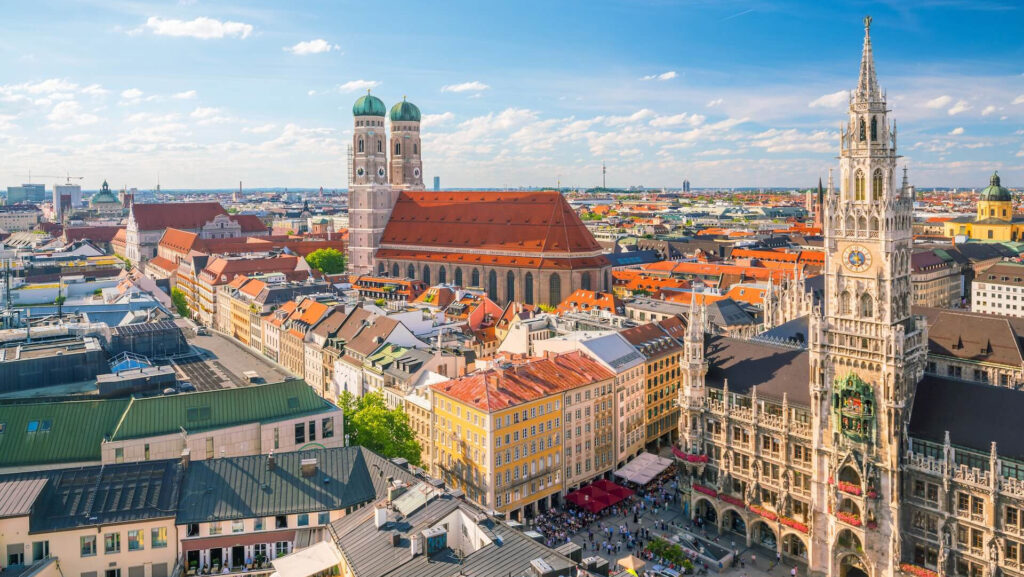
The numbers are significant. By the end of 2024 the European Union hosted roughly 4.4 million people under temporary protection, the vast majority displaced from Ukraine. Germany and Poland together accounted for nearly half of that population. In the same year approximately 14,000 refugees were formally resettled within the EU, with Germany and France receiving close to 60 percent of those arrivals.
Movement into Europe generally follows three established corridors:
Western Mediterranean — Morocco toward Spain
Central Mediterranean — Libya or Tunisia toward Italy
Eastern Mediterranean — Turkey toward Greece
From there, population flows typically concentrate in the continent’s largest economic centres. Cities such as London, Paris, Berlin, Amsterdam and Brussels absorb the greatest demographic expansion because employment opportunities, universities and infrastructure already exist at scale.
For property markets the implications are direct. Demand rises quickly in these metropolitan areas while construction struggles to keep pace. Across the European Union the housing deficit is estimated at roughly 925,000 residential units, a structural shortage that continues to place upward pressure on property values.
Investors watching these trends understand that growth brings both opportunity and strain. Vibrant cities attract talent, capital and culture. At the same time, sustained population pressure places housing supply, infrastructure and urban planning under increasing scrutiny.
These dynamics increasingly shape where buyers feel comfortable living — and where they begin exploring alternatives.
Once the conversation shifts from investment to actual living, the question buyers ask becomes far simpler: How secure does daily life feel there?
Safety today operates on several levels. There is geopolitical stability, meaning distance from regional tensions and exposure to broader global uncertainty. Then there is everyday security — crime levels, social cohesion and the feeling that daily routines unfold predictably.
Western and Central Europe still rank among the safest regions in the world. According to the Global Peace Index 2025, eight of the ten most peaceful countries globally are located in Europe, including Switzerland, Austria and Ireland.
Inside large metropolitan environments, however, experiences can vary considerably between districts. EU statistics show recorded sexual‑violence offences rising 79 percent between 2013 and 2023, partly reflecting expanded legal definitions and improved reporting. Intentional homicides across the European Union increased 1.5 percent in 2023, though overall levels remain low by global standards.
Certain cities periodically draw attention due to localized crime trends. Security analyses highlight areas of concern in districts of Marseille, Naples, Malmö, Dublin and London, particularly involving organized theft networks or gang‑related activity.
For international buyers evaluating where to spend extended periods of time, these realities matter. Families tend to gravitate toward places where daily life feels balanced: walkable streets, cohesive communities and public environments that remain comfortable both day and night.
Southern European countries such as Spain continue to rank well in this respect. Spain’s homicide rate stands around 0.64 per 100,000 residents, placing it among the safer large European nations.
For many buyers, quality of life ultimately becomes the deciding factor. Climate, culture and architecture draw attention initially, but long‑term residential appeal depends just as much on the quieter elements of safety, stability and everyday livability.
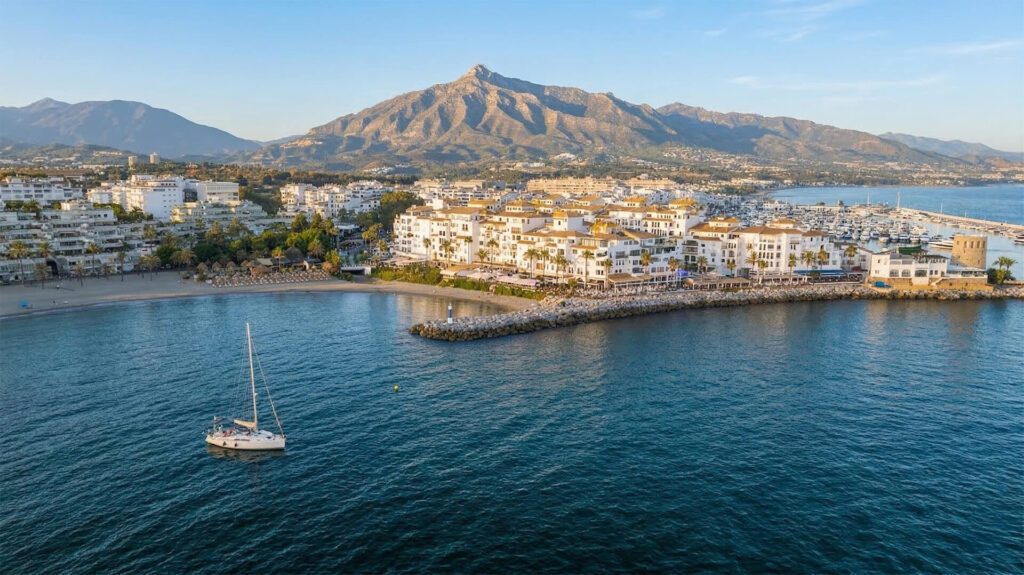
Spain and Portugal remain among the strongest performers within Europe’s luxury property market.
Economic forecasts suggest both countries will rank among Europe’s fastest‑growing economies in the coming years. Prime residential prices are expected to increase approximately 5 percent in Marbella and Madrid and roughly 4.5 percent in Lisbon based on recent European housing market analyses.
Several structural factors support demand.
Spain maintains relatively low property taxation levels compared with many northern European countries, estimated around 0.07 percent of private capital stock. Portugal’s Non‑Habitual Residency regime has historically attracted foreign professionals, while Spain’s Beckham Law provides tax incentives for international workers relocating to the country.
Lifestyle remains the strongest driver. Southern European coastal regions offer climate, accessibility, and cultural vibrancy. Cities such as Marbella increasingly attract international entrepreneurs and remote professionals drawn by the combination of Mediterranean lifestyle and modern infrastructure.
Switzerland and Monaco continue to represent the most stable tier of European residential property.
Switzerland combines strong institutions, low crime levels and a historically stable currency. Many cantons levy no capital‑gains tax on property, while overall real‑property taxation remains modest at roughly 0.27 percent of private capital stock.
Strict ownership rules and limited development land keep supply constrained. These factors support long‑term demand in cities such as Zurich, Geneva and Lausanne.
Monaco operates within an entirely different category of global property markets. The principality levies no property tax and no capital‑gains tax, though residency typically requires a bank deposit of roughly €500,000 and verified accommodation within the country.
Property supply remains extremely limited, helping maintain Monaco’s position as one of the world’s most expensive residential markets. Forecasts suggest prime prices may grow around 4 percent annually in the coming years.
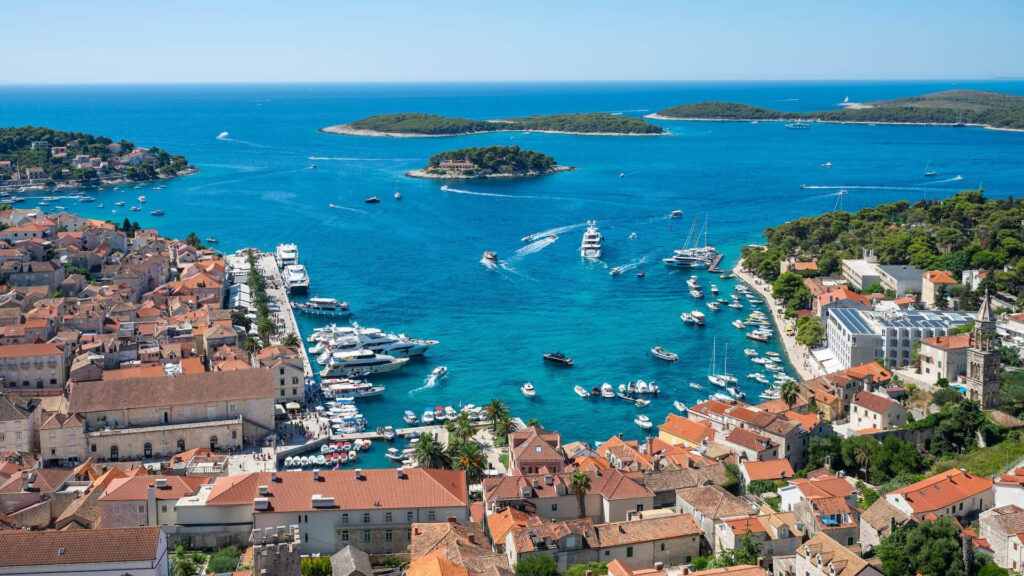
When conversations with buyers turn toward Mediterranean property, the Adriatic often enters the discussion in a slightly different way.
Clients who have spent time along the French Riviera, in Mallorca or along parts of the Italian coast often arrive with the same observation: the Adriatic feels different.
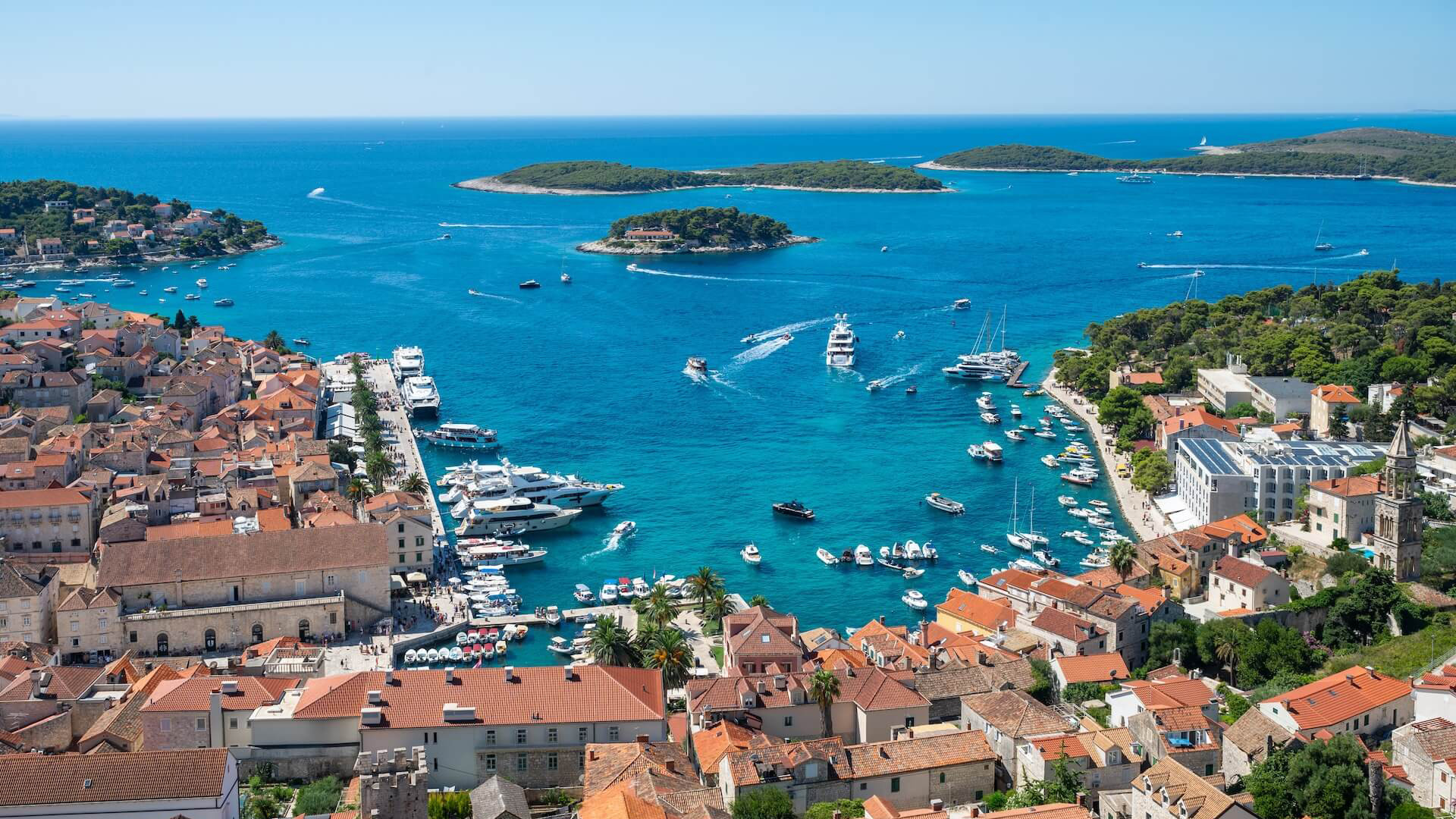
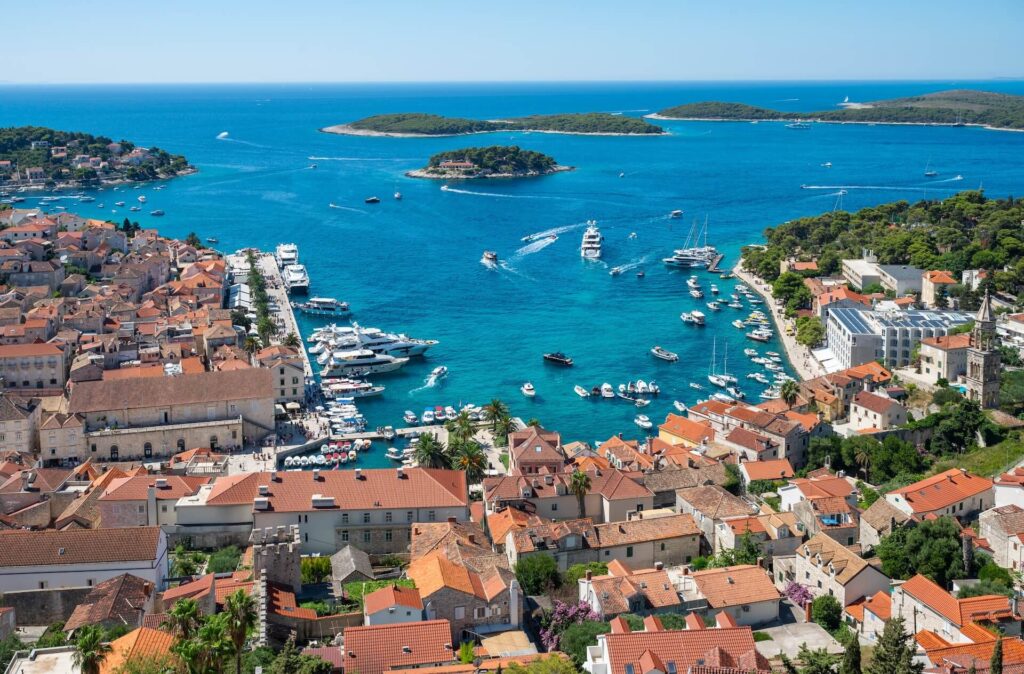
Croatia and Montenegro share a coastline that combines medieval port towns, Venetian architecture and dramatic mountains dropping directly into the sea. Dubrovnik, Split, Hvar and the Bay of Kotor have been on Europe’s travel map for decades. What has changed in recent years is the type of buyer paying closer attention.
Advisors increasingly hear a similar line of thinking from international clients. If the Mediterranean remains one of the most desirable regions in the world, where does it still feel balanced rather than saturated?
The Adriatic answers that question in several ways.
First is density. Many Adriatic coastal towns remain smaller and less intensively developed than parts of the Western Mediterranean. The scale of construction has historically been more measured, and communities still revolve heavily around maritime culture and tourism rather than large metropolitan expansion.
Second is geography. The region sits outside the main maritime migration routes that shape demographic pressure in Spain, Italy and Greece. While those countries continue absorbing population flows through the Western and Central Mediterranean corridors, Adriatic coastal towns have experienced slower demographic change.
For many buyers, that difference becomes visible almost immediately when they spend time in the region.
The third factor is pricing.
Prime waterfront property along the Adriatic still trades at levels significantly below comparable locations across the French Riviera, Monaco or parts of Mallorca. Investors often frame the comparison in simple terms: similar landscapes, similar climate, dramatically different price points.
That combination has gradually shifted how the Adriatic appears on the European property map. What once functioned mainly as a tourism destination increasingly attracts buyers looking for long‑term lifestyle ownership within a calmer coastal environment.
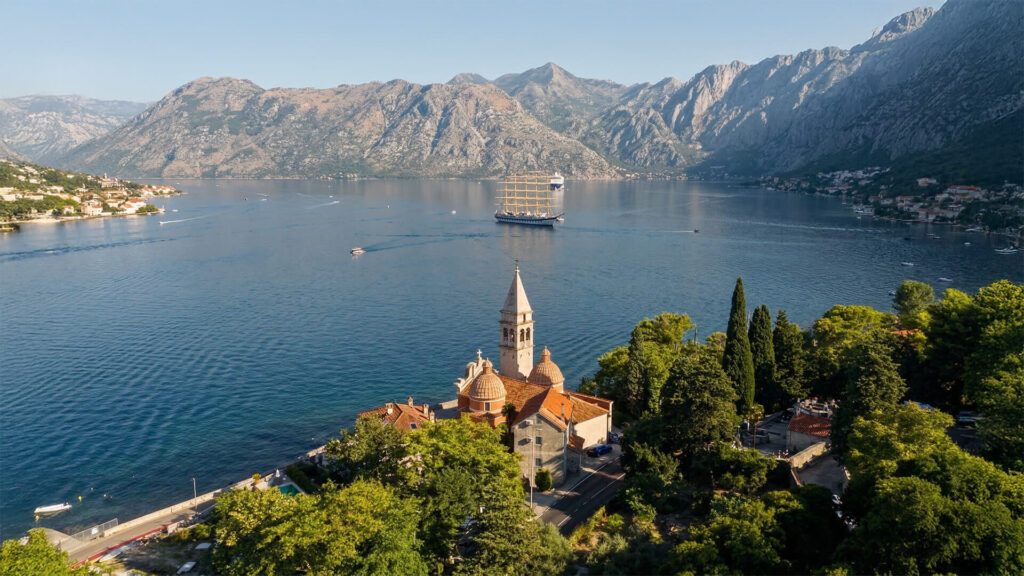
When buyers look at the Adriatic seriously, the conversation quickly turns to a practical question: Croatia or Montenegro?
On the surface the two countries appear similar. The coastline is the same sea, the architecture shares Venetian and Mediterranean influences, and both markets attract yacht owners, lifestyle buyers and international investors. Yet the investment logic behind each country is quite different.
Croatia offers institutional certainty. It operates fully inside the European Union, uses the euro, and participates in the Schengen travel area. That framework brings regulatory stability and legal predictability. Buyers know exactly how the system works.
It also means EU‑level taxation and tighter development rules. Property ownership sits inside the European regulatory structure, and certain tax obligations follow from that framework. For many buyers, particularly those relocating from Western Europe, this familiarity provides comfort.
Montenegro operates on a different philosophy.
The country has positioned itself as a low‑tax, development‑friendly jurisdiction designed to attract international capital. Corporate taxes remain among the lowest in Europe and property taxation is minimal. Large-scale marina developments such as Porto Montenegro, Portonovi, and Luštica Bay were designed specifically to attract global yacht owners and internationally mobile wealth.
For some buyers, that difference becomes decisive.
Croatia appeals to investors who prioritize institutional alignment with the European Union and long‑term lifestyle ownership within a stable regulatory environment.
Montenegro attracts buyers who look at the Adriatic through a more entrepreneurial lens: lower taxation, flexible development, and the possibility of entering a luxury destination earlier in its growth cycle.
Many international investors ultimately explore both markets rather than choosing one over the other.
Both countries share several foundations that matter to international buyers. They use the euro in everyday transactions, sit outside the primary migration corridors affecting parts of Western Mediterranean Europe, and maintain coastal environments where population density and development pressure remain relatively controlled. For many buyers, that combination alone already places the Adriatic in a different category of Mediterranean lifestyle destinations.
Where the two countries diverge is mainly in investment rhythm rather than safety or lifestyle.
Croatia tends to appeal to buyers who value regulatory clarity and long-term stability within the European framework. Property ownership feels familiar to many European investors, and the market has matured steadily as tourism and infrastructure expanded over the past decade.
Montenegro attracts a slightly different profile of buyer. Lower taxation, development flexibility and large-scale marina projects create a market where growth potential can feel more dynamic, particularly for investors entering earlier in the destination’s evolution.
For many buyers, the conclusion is not Croatia or Montenegro.
It is the Adriatic as a whole.
One market offers maturity and institutional alignment, the other offers flexibility and expansion. Together they create a coastal corridor that combines safety, lifestyle appeal and investment diversity in a part of the Mediterranean that remains comparatively balanced.
Luxury property markets increasingly reflect broader geopolitical and demographic realities.
Investors now evaluate destinations through a combination of stability, security and institutional reliability. Political governance, migration dynamics, taxation frameworks and crime statistics all influence long‑term residential demand. These factors shape how buyers assess both primary residences and international lifestyle properties.
Southern Europe continues to attract international capital due to a combination of climate, accessibility and relatively stable social environments. Spain and Portugal maintain strong tourism economies and international connectivity, while Switzerland and Monaco continue to represent some of the most secure residential environments in Europe due to strict regulation, strong institutions and low crime levels.
At the same time, geopolitical proximity and migration routes are becoming part of the location analysis for many investors. Countries located along the Western and Central Mediterranean migration corridors experience greater population inflows and urban pressure, particularly in major metropolitan areas. Property buyers increasingly evaluate how these demographic patterns may influence infrastructure, housing supply and local safety dynamics over time.
The Adriatic region offers a contrasting profile. Croatia and Montenegro sit outside the primary maritime migration routes into Europe, and coastal towns remain relatively low‑density compared with many Western Mediterranean destinations. Combined with strong tourism demand and expanding marina infrastructure, this geographic position has contributed to growing interest from international property buyers seeking stability alongside Mediterranean lifestyle.
For investors and residential buyers alike, the luxury property conversation now includes a broader set of considerations. Market performance, taxation, security perception, demographic trends and geopolitical context increasingly influence where capital moves within the global real estate landscape.
Sources:
Eurostat
EU Asylum Agency
Global Peace Index
OECD Housing Data
European Central Bank
European Council on Foreign Relations

























 Dutch
Dutch  German
  Spanish
  French
  Arabic
  Chinese
  Russian
  Swedish
  Portuguese
  Polish
  Greek
Greek  Italian