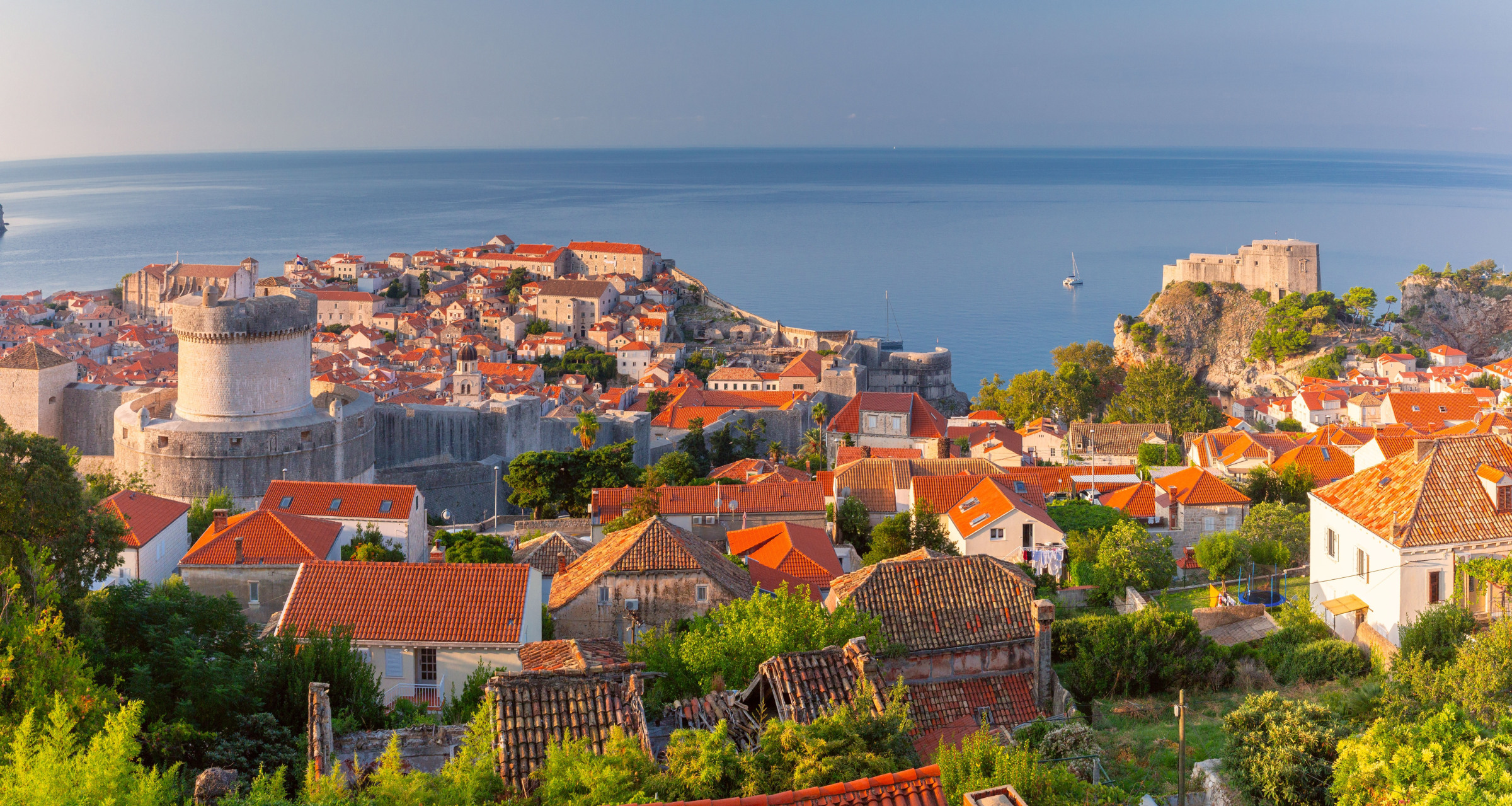
The Dubrovnik luxury property market continues to see sustained demand from international and regional high-net-worth buyers, especially for seafront homes and historic mansions. Market activity is most pronounced from spring to autumn, when transactional interest peaks. Tight supply, UNESCO status, and a finite coastline shape values, maintaining resilience and supporting long-term capital appreciation.
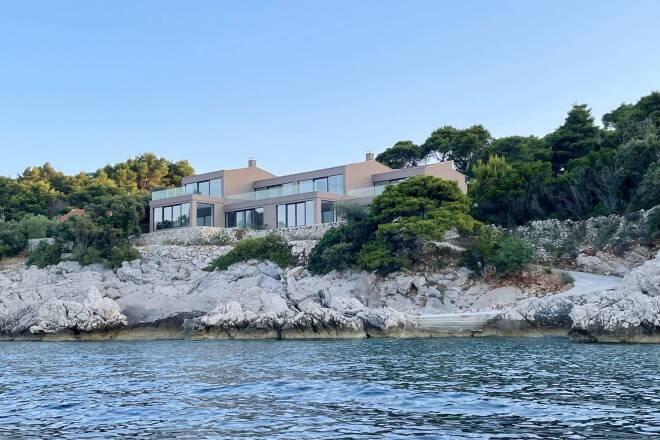
The most desirable real estate is clustered in and around the old town, Ploče, and the Lapad and Gruž waterfronts. Ploče offers panoramic views of the city walls and nearby islands, while Lapad features contemporary villas with direct access to the sea. Each neighbourhood carries its own identity, from the heritage-rich lanes of the centre to tranquil residential enclaves overlooking the archipelago.
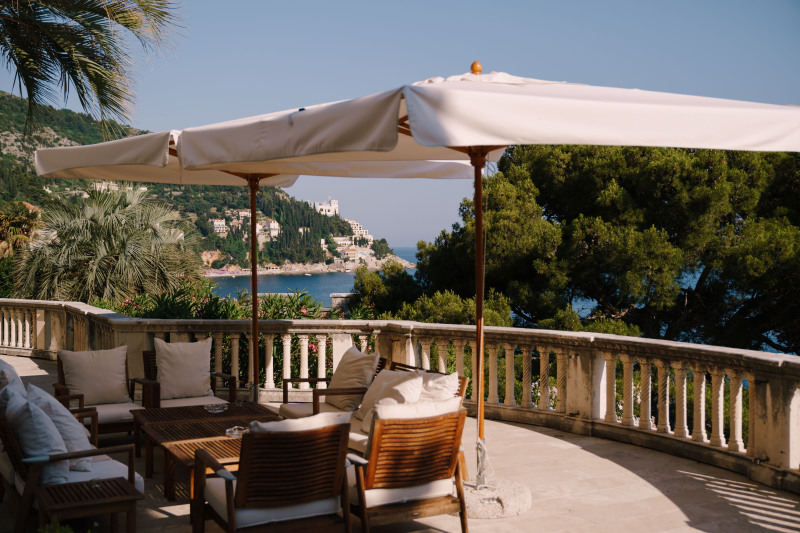
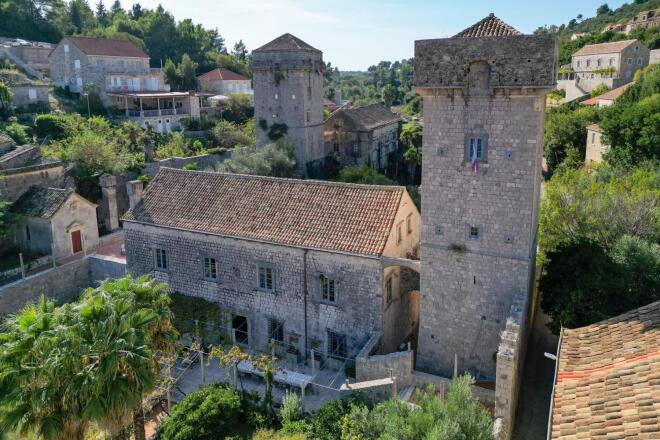
Whether purchasing a historical residence within the old town or opting for a contemporary villa above the coastline, buyers are drawn by Dubrovnik’s unique blend of Mediterranean elegance and world heritage significance. The city’s global profile naturally attracts international buyers seeking not only a second home, but also a transgenerational asset of enduring value. Privacy, security, and year-round amenities make Dubrovnik a distinctive residential destination for families, professionals, and lifestyle investors alike.
Acquisition may involve navigating restoration guidelines, especially for properties within protected zones. A deep understanding of planning regulations, architectural preservation requirements, and local administrative processes is essential. This is particularly relevant for non-Croatian buyers, as certain administrative procedures require precise execution to ensure clear title and compliance.
Transactional processes require careful due diligence. Existing properties, particularly those of historical interest, often necessitate comprehensive legal and architectural reviews. Foreign nationals, generally, may purchase property under the same conditions as Croatian citizens, with select exceptions requiring documentary support. Engaging trusted legal and advisory partners is standard practice among purchasing families and investors.
Dubrovnik’s global profile and robust tourist market support luxury rental income, especially during peak summer months. Owners frequently secure returns via short-term holiday lets or longer seasonal leases. Compliance with local rental regulations, licensing, and tax obligations is carefully monitored, and properties maintained to international standards enjoy steady demand from visitors seeking privacy and authenticity.
Navigating the subtleties of Dubrovnik’s real estate environment calls for advisors with local expertise, international perspective, and discretion. High-calibre consultants offer unrivaled access to off-market opportunities, deftly manage negotiations, and anticipate regulatory nuances—ensuring each client enjoys a seamless, informed acquisition or sale experience.
The city’s global connectivity, cultural cachet, and expanding hospitality sector create fertile ground for entrepreneurs and investors. Creative enterprises flourish within repurposed heritage buildings, while boutique hotels and curated luxury rentals capitalise on the rising demand for authentic experiences. The growing presence of remote professionals, attracted by Croatia’s digital nomad visa, strengthens premium rental demand and fuels opportunities in design, gastronomy, and wellness ventures. This dynamic business climate rewards both institutional and private capital.
As part of Croatia and the European Union, Dubrovnik benefits from stable governance, robust legal structures, and modern infrastructure. Continued investment in transport, marina facilities, and tourism supports a consistently elevated standard of living. The city’s strategic orientation towards sustainable, high-value tourism underpins its resilience in the face of broader market shifts.
The cost of living reflects the city’s global standing, especially for those seeking full-service villas, private staff, or extended stays. Utilities remain aligned with broader Adriatic norms. Dining ranges from traditional konobas to internationally recognised fine dining establishments. While premium groceries and services command European price points, these are offset by the quality and authenticity of local offerings. Maintenance, gardening, and security services are widely available, sustaining a lifestyle of comfort and convenience for both residents and seasonal visitors.
Life here unfolds amidst classical architecture, vibrant piazzas, and crystal waters. Curated cultural events, from summer festivals to contemporary art exhibitions, attract connoisseurs and tastemakers. Yachting along the coast, exploring Dalmatian vineyards, and discovering secluded coves by boat shape the rhythm of leisure. Luxury spas, boutique shopping, and chef-led restaurants ensure refined experiences, while the city’s welcoming community sustains a rich, multi-generational tapestry.
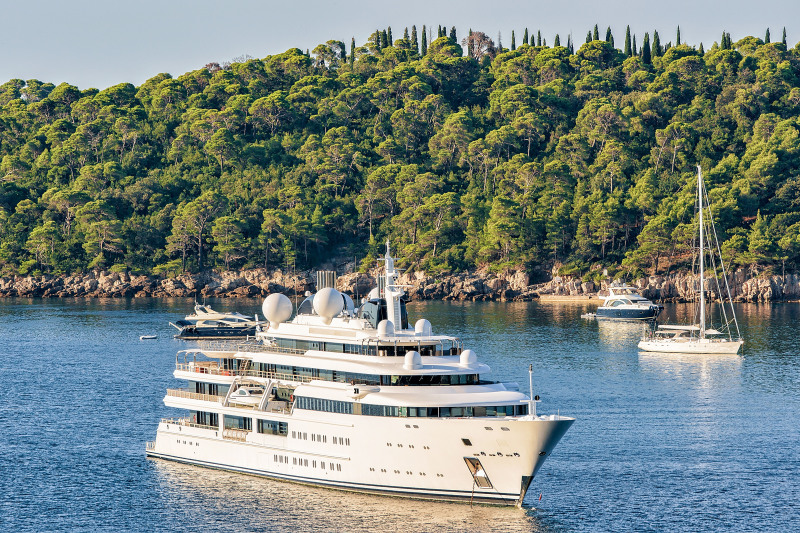
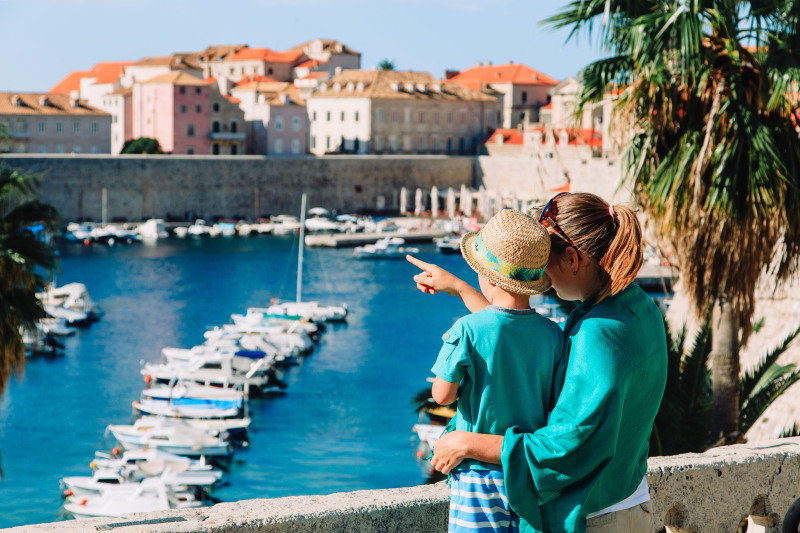
The city enjoys a Mediterranean climate characterised by warm, dry summers and mild winters. July and August see peak temperatures and abundant sunshine, ideal for water-based pursuits. Winters remain temperate, with occasional rains renewing the landscape. The climate is well-suited for extended stays and year-round enjoyment, offering outdoor leisure and wellness opportunities throughout every season.
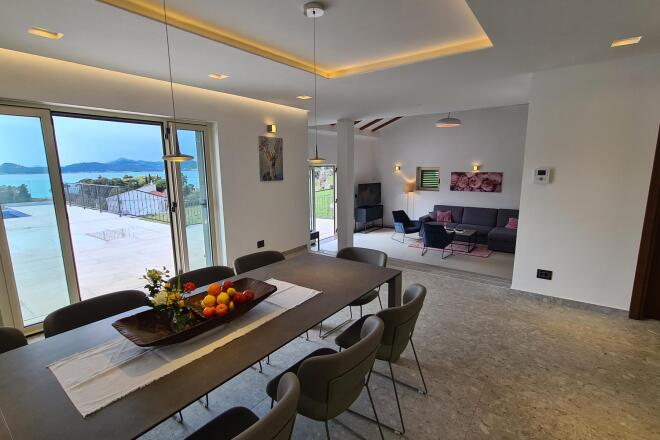
Discover a curated portfolio of prestigious homes, each thoughtfully selected for character, privacy, and architectural pedigree. Prime selections offer sweeping sea views, private courtyards, and seamless transitions between indoor and outdoor living, ensuring both discretion and sophistication.


























 Dutch
Dutch  German
  Spanish
  French
  Arabic
  Chinese
  Russian
  Swedish
  Portuguese
  Polish
  Greek
Greek  Italian