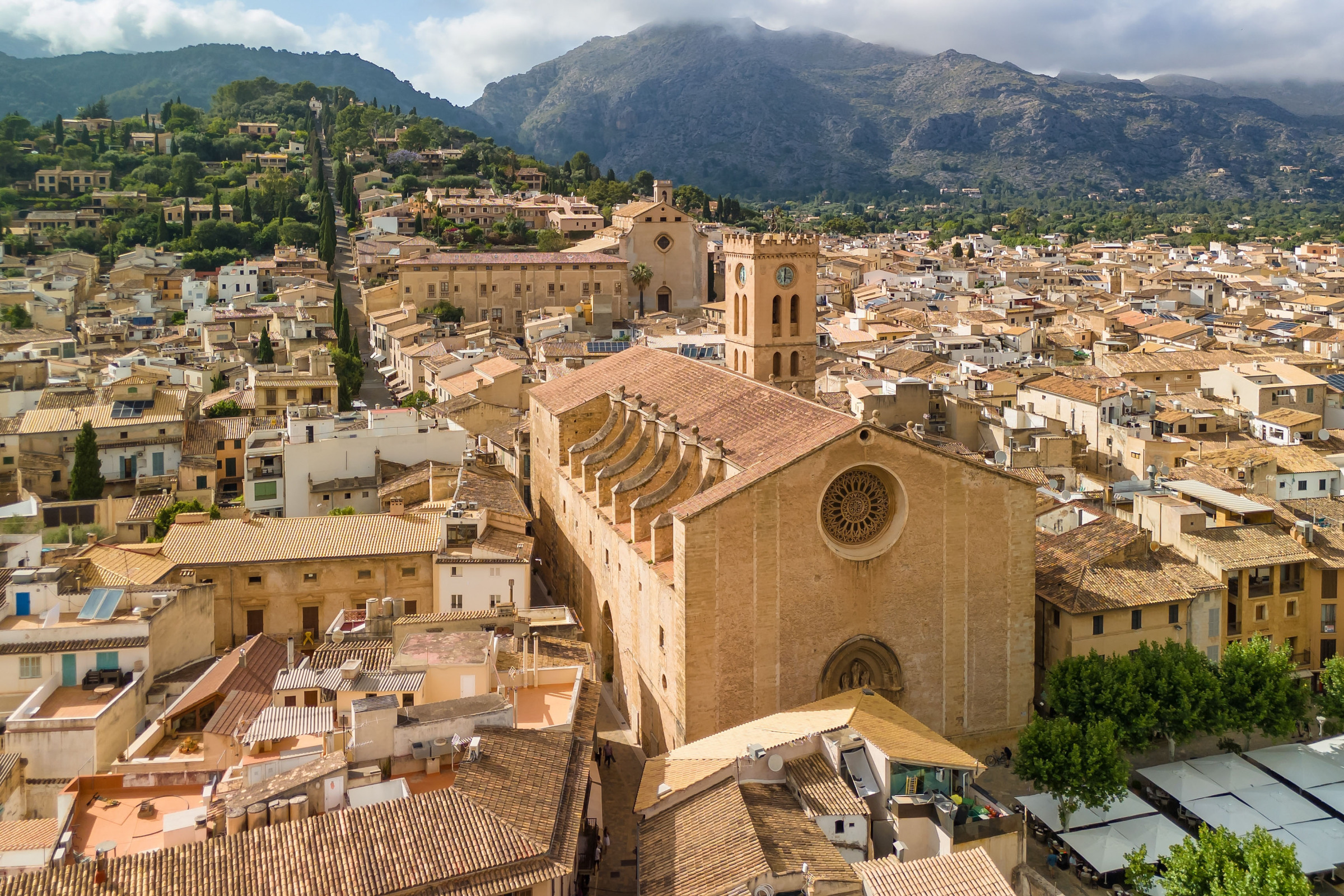
The Inca property market is experiencing measured growth, influenced by international buyers drawn to its heritage townhouses and peaceful rural estates. Discerning clients favour tastefully restored homes offering substantial plots and privacy. Prices are steady, with prime properties attracting significant interest especially during peak Mediterranean seasons. Transactions occur discreetly, often through established local notaries and reputable family-run agencies familiar with generational landholdings.
Sought-after areas include the town’s historic heart, where houses display original stonework and secluded gardens. Peripherally, peaceful rural zones such as Llubí and Lloseta present expansive estates with mountain vistas and farmland. Buyers often target properties on quiet streets close to amenities, with the central location appealing to those seeking convenience without compromising tranquility. Transaction volumes peak in spring and autumn, while summer attracts international viewing trips. Local professionals guide buyers through established acquisition structures, ensuring a secure experience.

Inca’s blend of authenticity and accessibility attracts both Mallorca-based and international buyers. A walk around its historic centre reveals grand townhouses with shaded courtyards and graceful proportions, while the surrounding countryside features extensive fincas set amid vineyards and olive groves. Buyers often seek properties with upgrade potential, as restoration is valued both for investment and lifestyle gains. The strong tradition of skilled local artisans makes bespoke renovations widely attainable. Inca’s strategic location offers an easy commute to Palma, as well as access to cosmopolitan amenities, private schools, and the island’s top beaches. The community fosters privacy, and the real estate landscape is shaped by a balance of long-term residents and seasonal owners who prize understated luxury.
Acquiring property involves standard Spanish due diligence overseen by experienced legal advisors. Detailed cadastral records and local appraisals confirm title and boundaries. Prestigious properties may remain off-market, sourced through trusted agents with local networks. Heritage status and renovation permissions are key considerations, given Inca’s architectural heritage. Smooth transactions are facilitated by established notaries and lawyers familiar with rural asset transfers.
Luxury homes in Inca present coveted opportunities for high-end rentals, especially for seasonal stays or event hosting. Owners engage local agents to secure short- and long-term tenants, while rental yields are supported by the evolving demand for authentic experiences in central Mallorca. Regulations around licensing and guest registration must be observed. Professional agencies manage the operational aspects, maintaining high standards and ensuring legal compliance.
Navigating Inca’s unique market requires expert guidance. Local advisors possess access to discreet listings and an understanding of intricate land histories, as well as relationships with respected artisans and legal professionals. Their knowledge ensures buyers transact with confidence and negotiate fairly. For sellers, tailored advisory unlocks maximum value, leveraging comprehensive insight into pricing and positioning. Advisors further facilitate multi-lingual communication, smoothing cross-border investments in this closely held community.
Inca’s entrepreneurial spirit is fostered by its longstanding tradition of craftsmanship—most notably in leatherwork and agricultural produce—giving rise to artisanal boutiques and organic markets. The town is seeing a subtle influx of creative professionals taking advantage of reliable internet infrastructure and co-working hubs. Boutique hospitality ventures and private estate rentals appeal to travellers seeking intimate, authentic experiences. Investors recognise Inca’s position as a year-round destination for luxury agritourism, further supported by Mallorca’s robust tourism strategy and infrastructural investments. Institutional buyers and family offices have begun to acquire portfolio assets, capitalising on a blend of heritage buildings and adaptive contemporary uses.
Mallorca’s stability is underpinned by Spain’s mature legal system, solid infrastructure, and commitment to sustainable tourism. Inca benefits from a proactive municipal administration investing in public spaces, cultural festivals, and efficient transportation. The area’s low crime rate and strong public services contribute to a secure living environment. Steady tourism flows ensure economic vitality, while the regional government supports heritage preservation and community-led growth. The property market is attractive to international investors seeking long-term value within an established and progressive framework.
The cost of living in Inca remains competitive for its quality of life. Utilities and property maintenance reflect typical Mallorcan rates, while private staff—gardening and housekeeping—are available from reputable local companies. Dining out is varied, with both gourmet restaurants and family-run tavernas offering fresh, regional fare. Grocery costs are reasonable, thanks to abundant local produce. Access to private schooling and healthcare is straightforward, as Inca is well-connected to excellent public and private institutions. Though prime properties command significant premiums, daily expenses remain favourable compared to most major European cities, supporting a comfortable lifestyle and ease of relocation.
Life in Inca is defined by a calendar rich in cultural festivals, including its centuries-old Dijous Bo fair. Residents enjoy local wine tastings, craft ateliers, and access to the bustling market square. The surrounding countryside, laced with cycling routes and walking trails, offers space for recreation and privacy. Art galleries and heritage sites blend effortlessly with discreet luxury retail. The town balances cosmopolitan amenities and traditional community spirit, appealing to those who prize refined simplicity, wellness, and social engagement within a setting that celebrates its heritage with understated confidence.
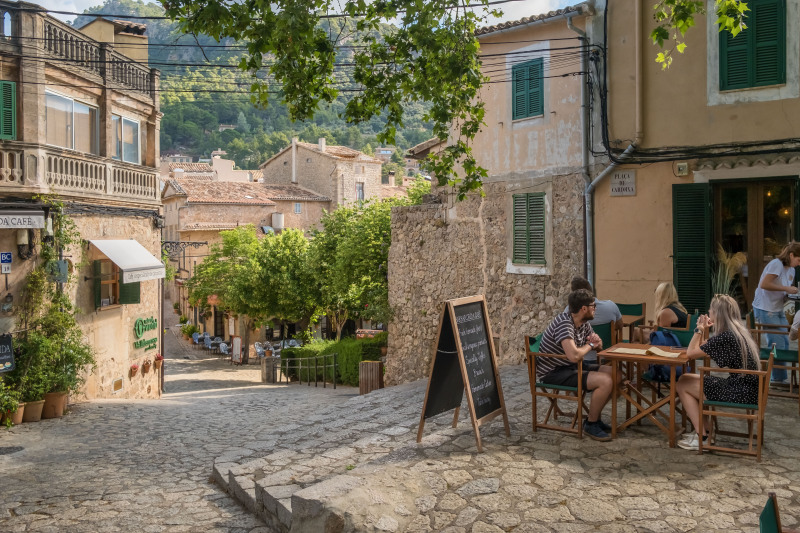
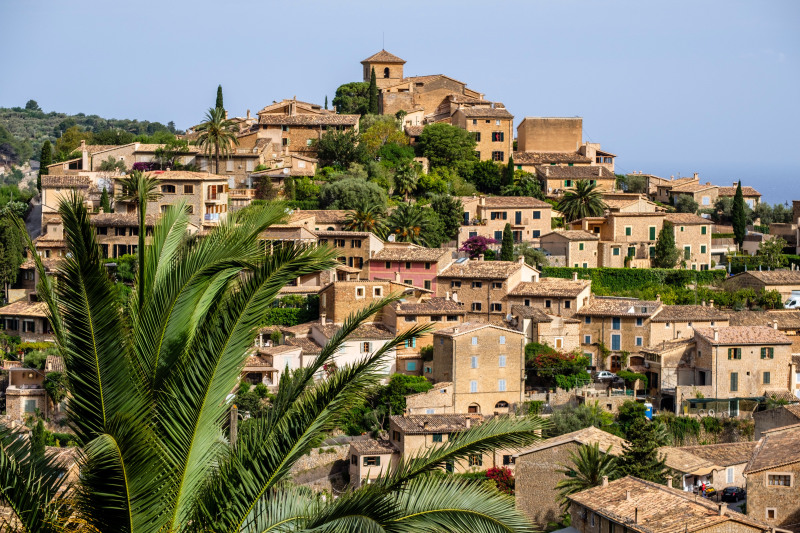
Inca experiences a classic Mediterranean climate with hot, dry summers and mild winters. Sunshine dominates, supporting al fresco living and year-round enjoyment of terraces, pools, and gardens. Spring and autumn see pleasant temperatures perfect for outdoor pursuits, while rainfall remains modest. The local microclimate, buffered by the nearby Tramuntana foothills, provides comfortable conditions and enhances agricultural yields. This consistency supports both permanent residence and seasonal escapes, making Inca an attractive base for luxury living throughout the year.
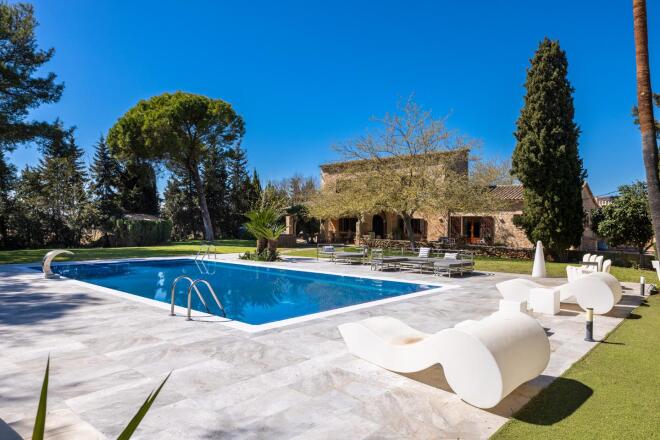
Discover a handpicked selection of exceptional residences, from modernized townhouses to estate-like fincas. Each listing is meticulously reviewed, ensuring that only the finest curated properties with architectural character and privacy features are represented to our audience.


























 Dutch
Dutch  German
  Spanish
  French
  Arabic
  Chinese
  Russian
  Swedish
  Portuguese
  Polish
  Greek
Greek  Italian