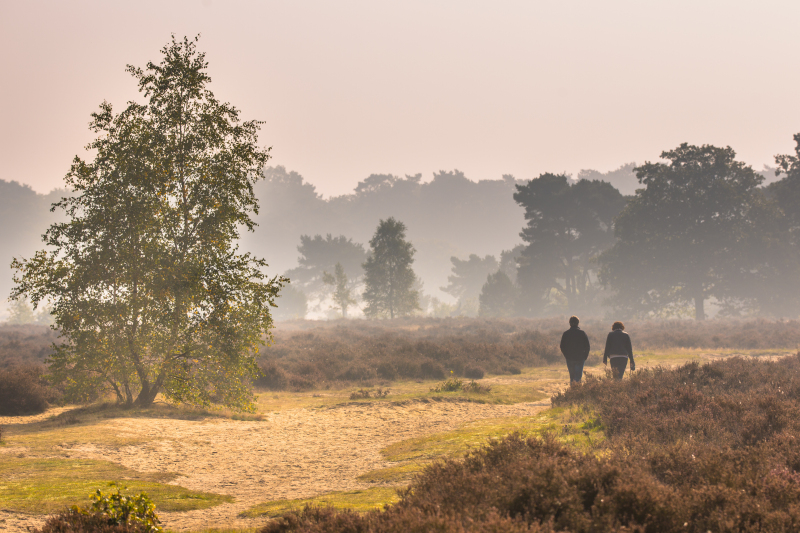
Distinct micro-locations include historic lanes lined with period villas and converted agricultural properties offering larger estates. Demand focuses on residences that combine architectural provenance with privacy—standalone homes buffered by mature landscaping or bordering the surrounding countryside. The region’s modest size ensures exclusivity, with off-market transactions more common than public listings. Buyers tend to seek enduring value and a strong sense of community, with long-term ownership being the norm.

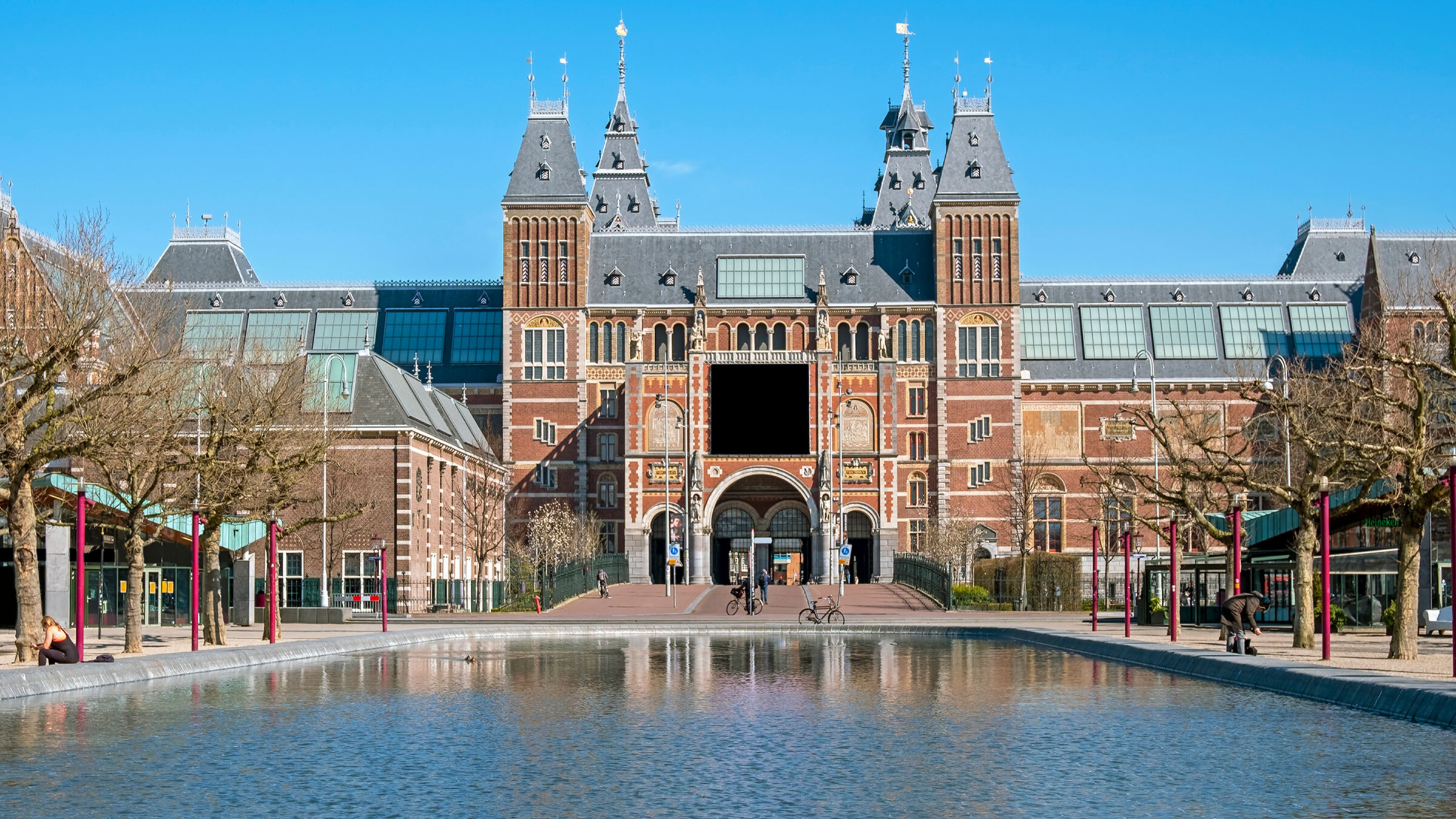
Koningsbosch’s allure stems from its pastoral setting, well-preserved estates, and proximity to urban hubs in both the Netherlands and Germany. Families and investors appreciate its harmonious blend of tradition and sophistication, with farmhouses, manor properties, and bespoke new-builds among the preferred options. The village’s slow pace and greenways encourage a relaxed lifestyle, while international schools, high-end restaurants, and airports remain within convenient reach. Cross-border professionals often favor Koningsbosch for its logistical advantages.
The process follows standard Dutch conveyancing, typically involving a notaris for contracts and due diligence. Local guidelines preserve village character, so renovations or developments may require heritage oversight. Cross-border buyers, particularly from Germany and Belgium, are well-represented, taking advantage of regional connectivity and lifestyle offerings. Purchasers carefully consider plot size, orientation, and build quality, as many opportunities involve substantial landholdings or custom renovation potential.
Luxury rentals remain highly selective, catering to diplomatic, corporate, or transitional clientele. Tenancy arrangements are generally tailored and private, with emphasis on lease flexibility and maintenance standards. The furnished market, while limited, meets international expectations, especially for executives relocating to the Limburg region. This segment supports steady yields, albeit with low volume, reinforcing the area’s position as a long-term, owner-occupier market.

























 Dutch
Dutch  German
  Spanish
  French
  Arabic
  Chinese
  Russian
  Swedish
  Portuguese
  Polish
  Greek
Greek  Italian