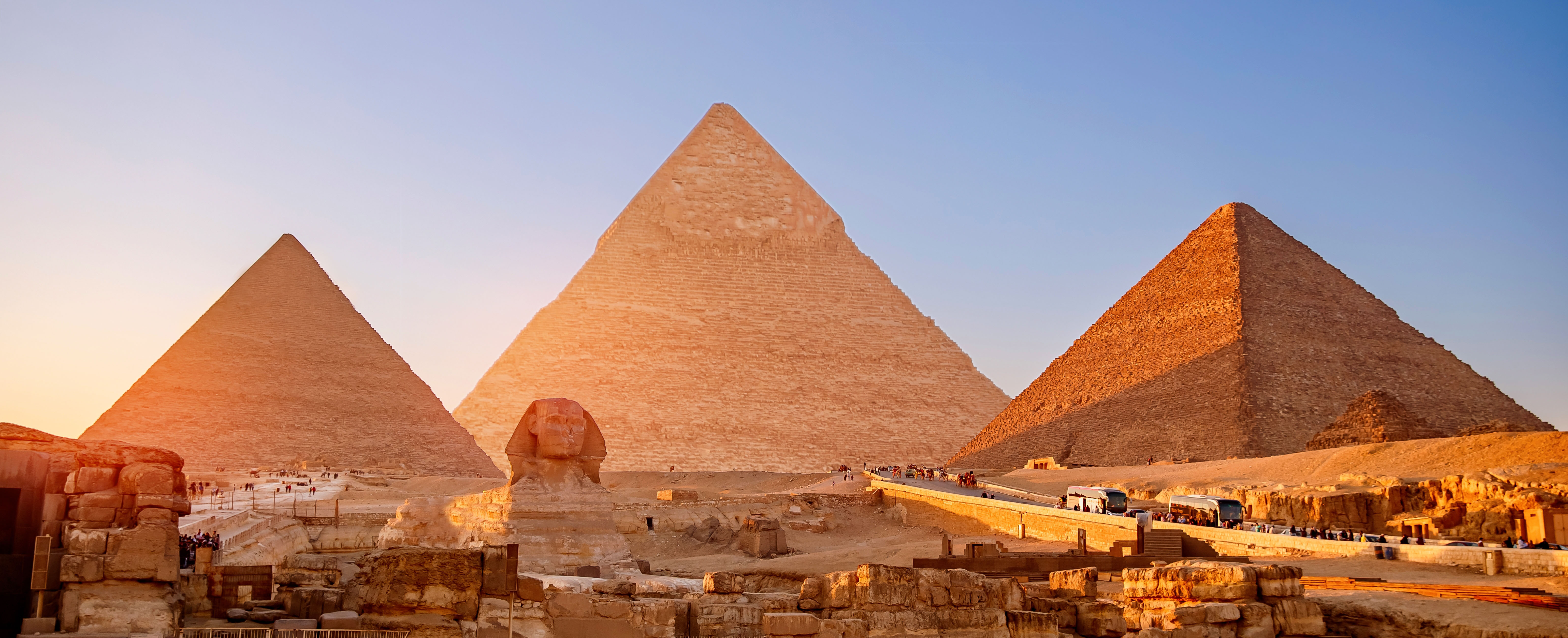
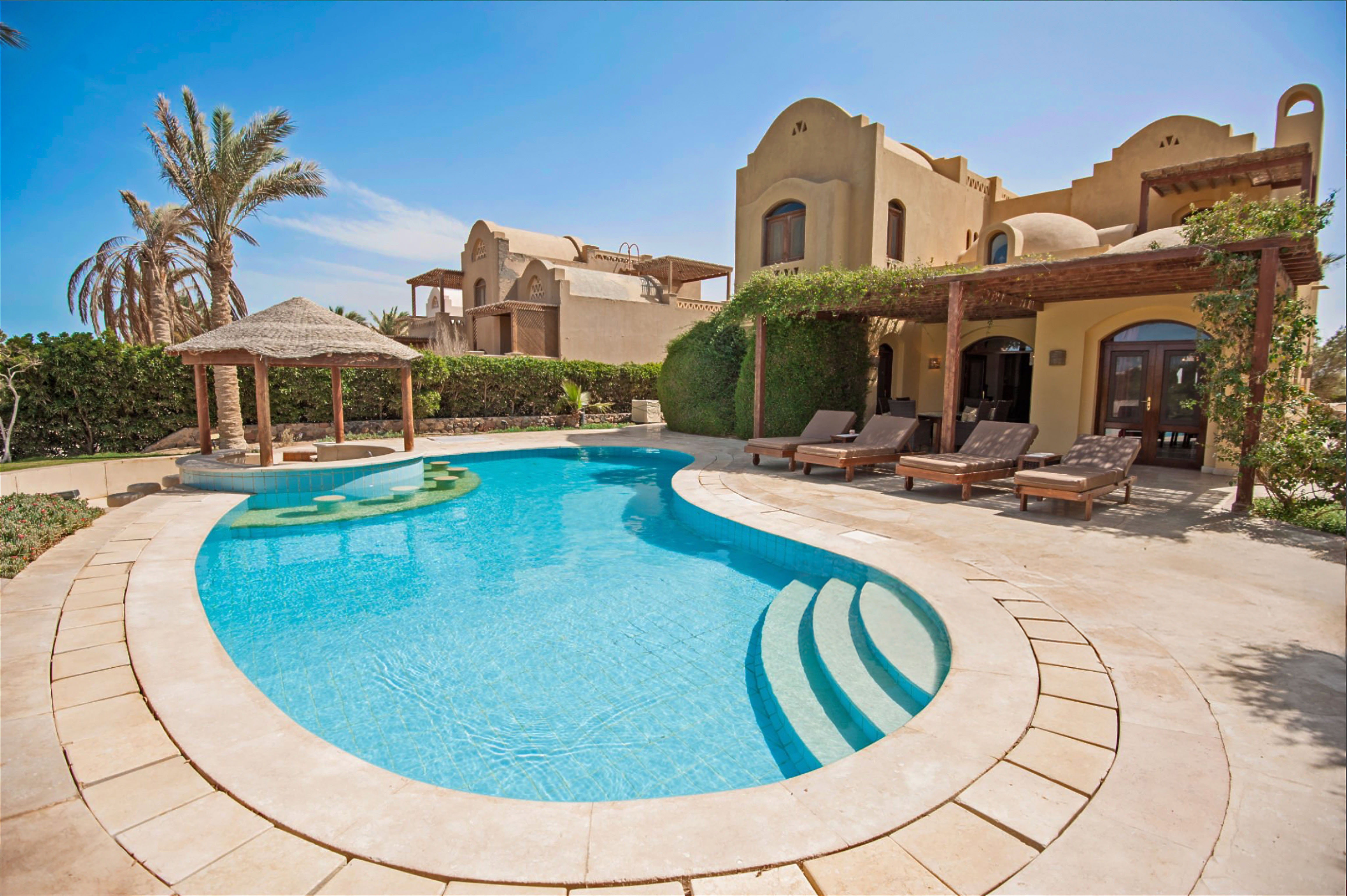
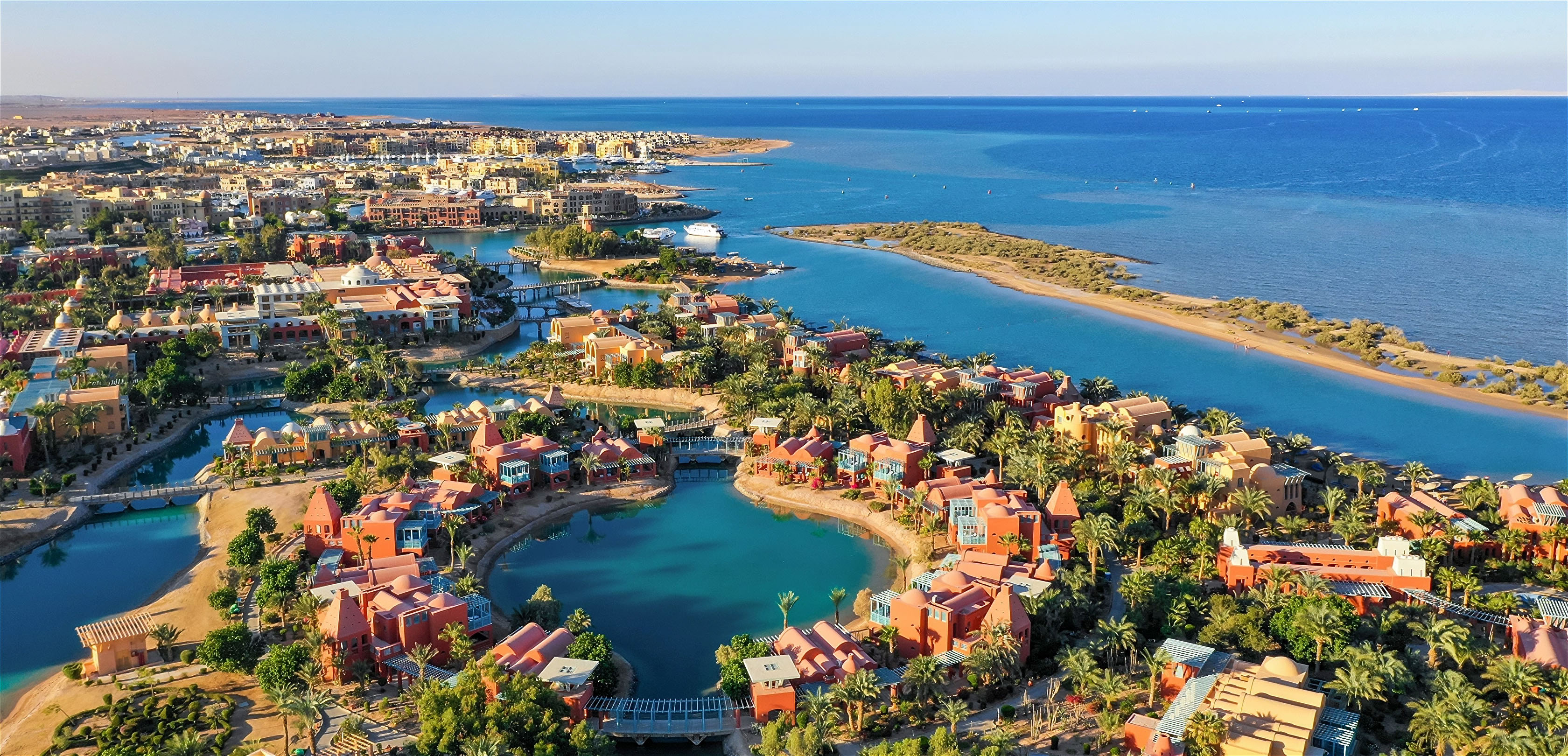
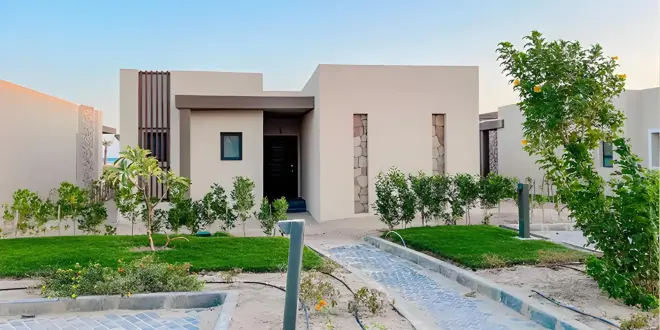
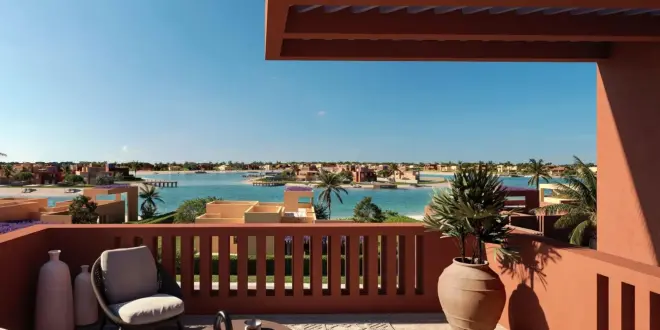
Luxor’s high-end property market is shaped by limited inventory, heritage oversight, and rising demand from global investors attracted to cultural destinations. While heritage conservation influences new builds, opportunities for refined restoration remain. The best homes change hands privately, with prices reflecting unique provenance and privileged Nile or archaeological views.
Desirable areas include the East Bank near Karnak and Luxor Temple, riverside corridors with private docks, and restored neighborhoods adjacent to the ancient city. The West Bank, popular for its tranquil setting and proximity to monuments, attracts both residential purchasers and boutique hospitality investors. Buyers should recognize the distinct zoning and conservation rules that influence what can be built or restored in these settings; architectural controls preserve both aesthetics and historical value.
Choosing Luxor as either a primary residence, vacation home, or investment comes with clear appeal: centuries-old landmarks, an artistic spirit, and a riverside lifestyle unique within Egypt. Investment by both private and governmental organizations ensures infrastructure continues to evolve, opening attractive prospects for those with an eye for both culture and capital growth. Owner-occupiers frequently select riverfront or historic quarter properties, while investors target homes with rental potential or heritage status. Timing of purchases is often influenced by the city’s seasonality—winters see an influx of international interest, while summer buyers enjoy greater negotiating flexibility. Language support, local legal guidance, and heritage protection measures play a vital role through every transaction. Discretion is paramount, as many sales occur off-market, particularly for properties with sensitive history or rare provenance.
Acquisition involves a structured due diligence process, particularly for heritage sites or properties near archaeological landmarks. Title verification, approval from relevant ministries, and careful attention to urban planning documentation are essential. Mortgages are limited; most transactions are completed in cash. Trusted legal and advisory representation is critical from identification through completion.
Short- and mid-term leasing is popular for properties close to major temples and the river. Demand is strongest from high-end cultural tourists and private groups seeking immersive experiences. Compliance with local tourism and taxation regulations is crucial. Well-maintained homes with flexible servicing arrangements command premium rents.
Navigating Luxor’s high-value residential market demands nuanced understanding of both historical and legal frameworks. Discreet access to off-market opportunities, skilled negotiation, and personal relationships with authorities and local stakeholders elevate the advisory role well beyond simple brokerage. Local expertise is indispensable for ensuring both asset security and discretion in this unique market.
The city is evolving beyond its roots as a tourism capital, with boutique hospitality, culture-led projects, and wellness retreats drawing a new wave of private investment. The creative economy is buoyed by international collaborations in archaeology and art, while digital nomads are beginning to appreciate Luxor’s tranquil pace and riverside connectivity. Rental yields can be attractive for operators targeting intimate, experience-driven stays. Growing infrastructure, reliable telecommunications, and proximity to Luxor International Airport further position the city as a competitive option for enterprising investors and family offices seeking long-term value creation in Egypt.
Luxor benefits from Egypt’s ongoing priority on safe visitor experiences and significant upgrades to transportation and utilities. Proactive local governance, coupled with robust investment in tourism-driven services and maintenance of archaeological sites, helps align economic resilience with continued global interest. Infrastructure projects including enhanced Nile crossings, improved roads, and airport expansion support safe, stable, year-round living.
Living costs in Luxor are generally moderate, with utilities such as water and electricity, domestic staff, and daily essentials priced below major global cities. High-end dining and luxury services—available in select riverfront hotels and private clubs—command premium rates but remain competitive. Residences with staff accommodation, private gardens, or pools have higher maintenance outlays. Sourcing luxury goods or international brands involves additional cost and logistics, yet day-to-day living remains accessible for those accustomed to international standards.
Life in Luxor is defined by the interplay of history and modern comfort. Residents can enjoy private Nile cruises, equestrian activities on the West Bank, and curated access to archaeological sites. The arts thrive through intimate galleries, music evenings, and private viewings inside historic villas. Gastronomy fuses Middle Eastern tradition with French and Mediterranean influence, often paired with riverside vistas. Wellness retreats, yoga on the East Bank, and exclusive golf or spa memberships round out a lifestyle marked by quiet sophistication and cultural immersion.
Luxor benefits from a dry, subtropical desert climate with abundant sunshine throughout the year. Mild winters attract seasonal residents and visitors, while summers are hot yet tempered by sunset breezes along the Nile. The near absence of rainfall and well-regulated temperatures from October to April make the city especially suited to those seeking year-round warmth and outdoor living.
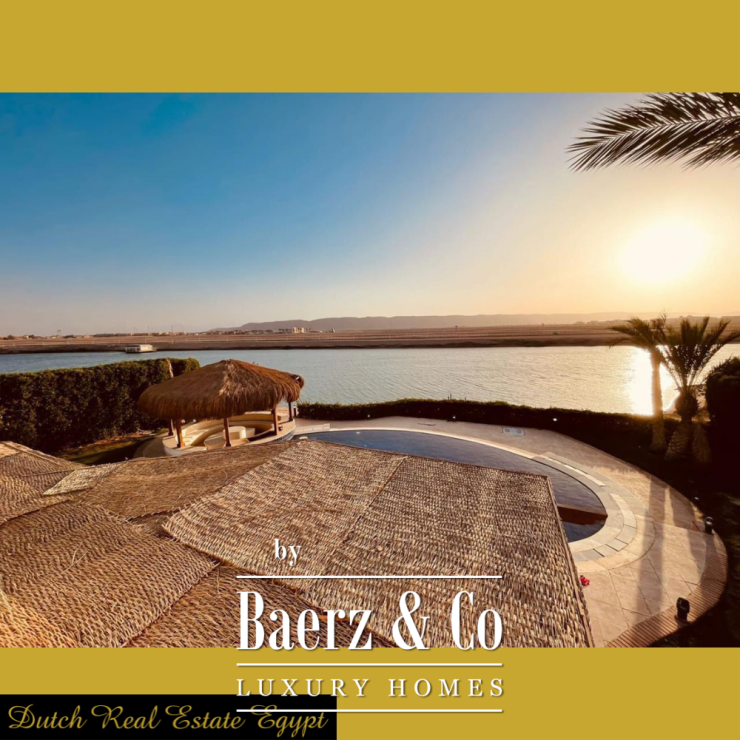
Every available residence is handpicked for distinction—think riverside estates, artfully restored villas, and discreet compounds. Many listings are shown by invitation or through trusted local advisors, maintaining privacy for both sellers and buyers.