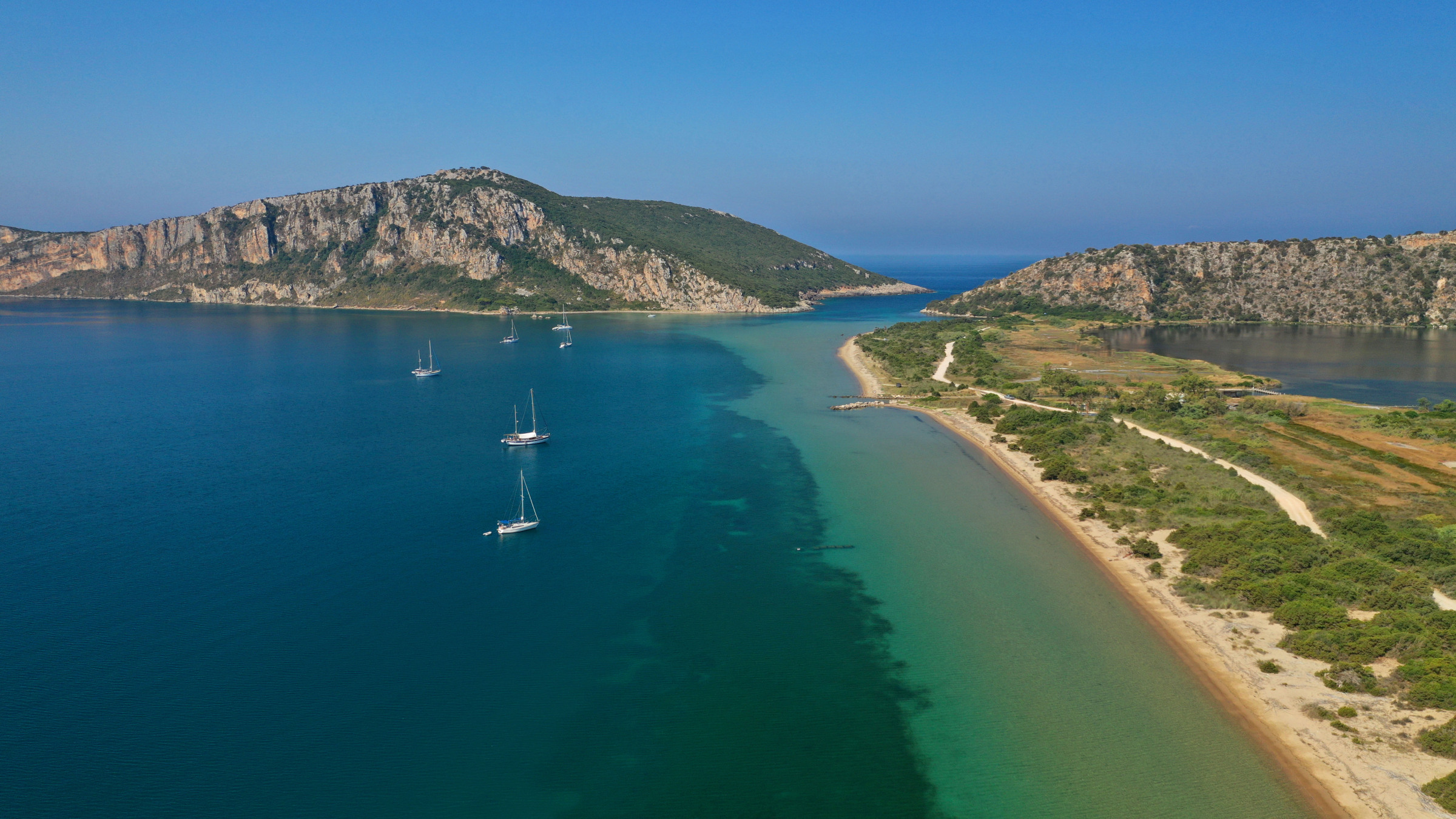
The Mystras luxury properties market is shaped by discerning international buyers favoring heritage restoration alongside select modern villas. Inventory remains consistently limited, underpinned by region-specific architectural protections. Demand is driven by buyers seeking discretion and historic value, often resulting in extended search and acquisition timelines for rare, authentic homes.
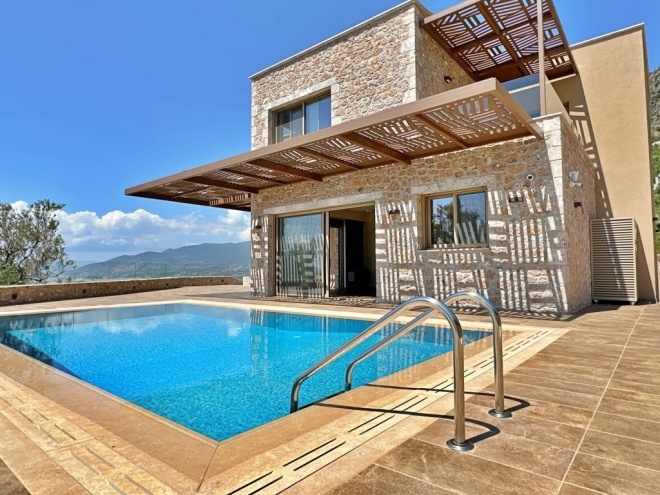
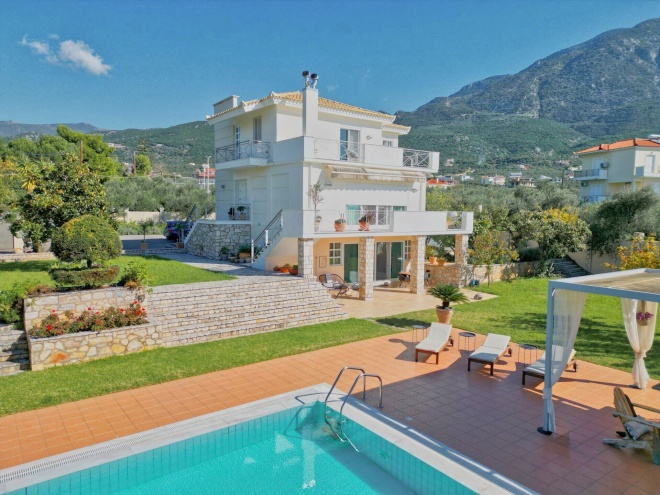
The heart of the village offers distinguished period homes, while the surrounding foothills provide commanding views and more secluded estates. Interest centers on restored manors within walking distance of the medieval ruins and on the lower slopes, where gentle terraces accommodate newer luxury developments. Elevated plots deliver privacy and unrivaled vistas of the Spartan plain below. Preferences often skew toward traditional properties boasting original materials—stone exteriors, wooden beams, Byzantine-era features—balanced with understated modern interiors.
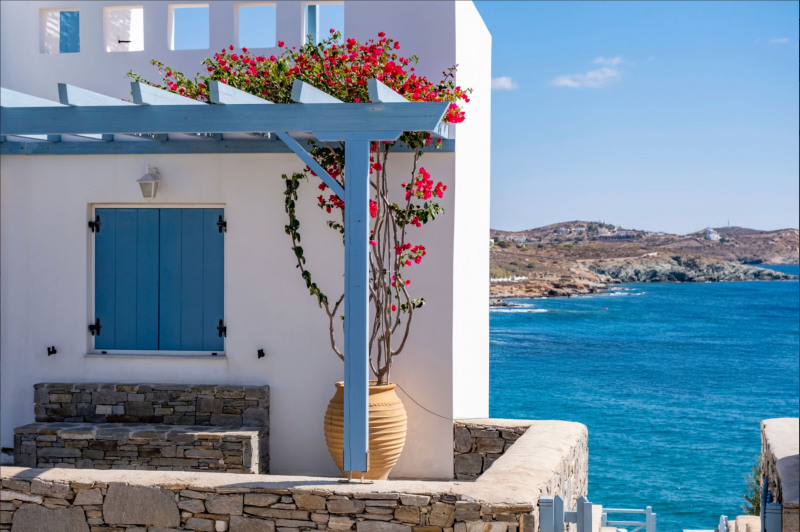
Owning in Mystras grants access to a village recognized for its rare preservation and tranquil lifestyle. The market rewards patience; acquisition often involves negotiation on restored period properties or sourcing land for architectural commissions overseen by local artisans. Cultural and structural regulations mean homes maintain authenticity, with sympathetic upgrades often required to meet contemporary standards. Concierge services ease transactional complexity for international buyers, including translation, local legal coordination, and guidance through property documentation. Key opportunities include discreetly offered estates, stone villas with panoramic views, and newly constructed residences designed to blend seamlessly with centuries-old heritage buildings. The market’s protected status and measured supply contribute to slow but stable appreciation—value is found in provenance over volume.
Acquisitions frequently proceed through local agencies familiar with the legal and cultural intricacies of this heritage area. International buyers often appoint local advisors to navigate regulations governing restoration and modernisation. Title verification and compliance with heritage protections are essential steps. Building permits for new construction are stringently controlled; successful projects result from collaboration with developers experienced in Byzantine-style architecture and site preservation.
The area’s status as a UNESCO World Heritage Site draws cultural tourists and heritage enthusiasts year-round. Luxury wine estates, boutique hotels, and private villas hold strong appeal for discerning renters. Active demand for holiday rentals is concentrated during spring and autumn, coinciding with local festivals and mild weather. Owners must comply with local letting regulations, including registering with the Greek National Tourism Organization for short-term lets.
Mystras’ unique heritage status introduces layers of regulation and limited availability that reward expertise. A seasoned advisor offers access to hidden opportunities, manages complex negotiations, and ensures compliance with restoration guidelines. Their local knowledge and discreet industry networks provide clients substantial value—particularly when sourcing exceptional, off-market properties or navigating the subtleties of acquisition and ongoing stewardship.
Mystras has emerged as a niche destination for luxury tourism, boutique hospitality ventures, and creative retreats that draw on its UNESCO pedigree. Investors have found success in small-scale, high-end accommodations tailored to heritage enthusiasts and cultural travellers, with a growing market for wellness-focused experiences and exclusive event venues. The creative economy benefits from proximity to the Peloponnese’s broader cultural landscape, while remote professionals appreciate the region’s slower pace and dramatic scenery. Thoughtful investment strategies often focus on restoration, boutique hospitality, or luxury villa rentals catering to a selective international clientele.
Greece has demonstrated steady economic recovery and investment in infrastructure throughout the Peloponnese, supporting continued stability in Mystras and its surrounds. The village benefits from improved access networks and its protected cultural status, safeguarding long-term value. Local governance strictly monitors development and restoration adherence, contributing to a consistent and resilient environment for both property owners and investors. Tourism is carefully managed to ensure sustainability and attract a sophisticated audience.
Living in Mystras typically involves predictable annual costs for villa maintenance, utilities, and private security or household staff. Contemporary luxury homes often require less upkeep, while period properties may involve higher restoration commitments. Local dining emphasizes quality over quantity, with exceptional culinary traditions found at independent tavernas and boutique hotels. Compared to urban centers, daily living costs remain reasonable, though expenditure reflects individual lifestyle choices—wine estates, fine foods, and bespoke services command a premium. Local sources cite moderate property taxation and annual municipal fees for non-residents.
Mystras offers serenity and immersion in a setting shaped by Byzantine history and natural grandeur. Residents savor private gardens shaded by olive and cypress, while quiet streets overlook the ruins and rolling hills. Sophisticated cultural pursuits include art installations, classical music festivals, and curated explorations of the archaeological complex. Refined dining and slow-paced rituals are the norm, with proximity to the Laconian countryside facilitating hiking, horseback riding, and wine tasting. The community remains intimate and cosmopolitan—hosting international visitors, renowned academics, and creative professionals drawn to its profound sense of place.

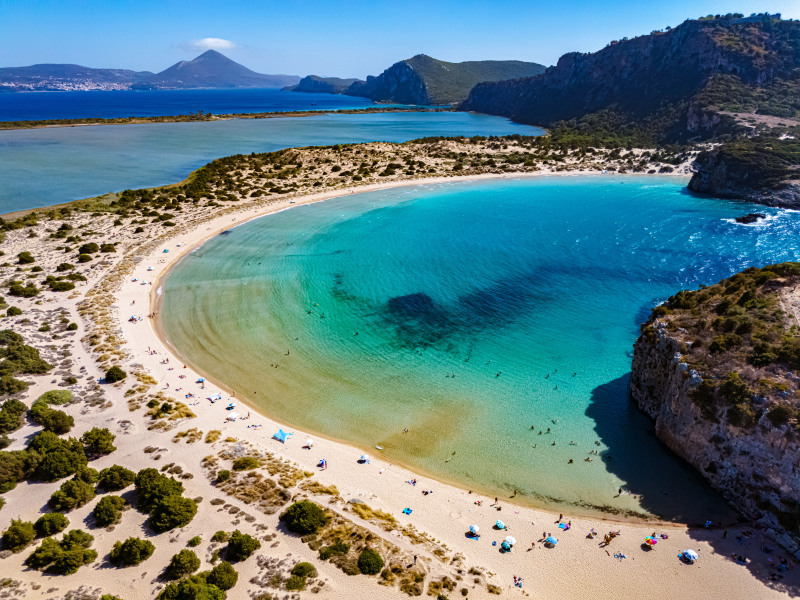
Mystras enjoys a temperate Mediterranean climate, with long, dry summers and mild, green winters. Seasonal change is gentle, making the region attractive for year-round living. Spring and autumn bring clear skies and blossom-laden slopes, while the summer is distinguished by cooling mountain breezes and festivities. The village’s elevation ensures comfort even during the warmest months, while winter remains comfortable and offers captivating views of mist over the valley and ancient walls.
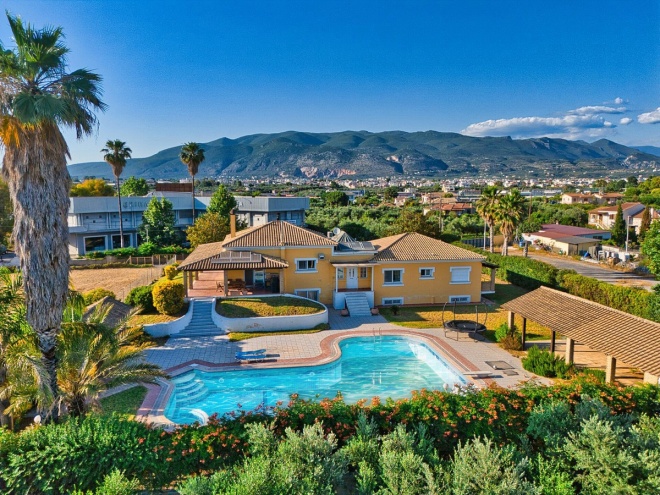
Listings in Mystras are carefully curated, focusing on unique residences with exceptional architectural pedigree or remarkable hilltop views. These exclusive offerings appeal to sophisticated buyers actively seeking authenticity and privacy within a UNESCO-protected landscape.

With over twenty years of experience advising clients in the Netherlands and Greece, Chana van der Velden is a trusted Personal Property Advisor specializing in the Athens Riviera, Peloponnese, Crete, and the Ionian Islands. Her discreet, client-first approach combines local market insight and pan-European perspective to support HNW and UHNW buyers throughout every phase of the purchase—from opportunity identification and due diligence to negotiation and post-sale care. Chana’s services extend beyond property search to include legal coordination, renovation guidance, and investment strategy, ensuring each client’s journey is seamless, informed, and personally meaningful. Clients value her integrity, clear communication, and dedication to fulfilling their ambitions in Greece.

























 Dutch
Dutch  German
  Spanish
  French
  Arabic
  Chinese
  Russian
  Swedish
  Portuguese
  Polish
  Greek
Greek  Italian