










The Coastal Comparison

The Coastal Comparison: A Selection of Mediterranean Real Estate Markets

Some Mediterranean markets charge you for the name before they prove the asset deserves the premium.
That is where disciplined comparison starts. A celebrated coastline may support demand, but your capital still has to live with the jurisdiction, the tax regime, the residence rules, the depth of the resale market and the practical reality of owning there throughout the year.
For The Coastal Comparison, we assessed 15 Mediterranean real estate markets across five equally weighted measures: tax efficiency, residence access, personal safety, quality of life and real-estate performance. Each market receives a score from one to five in every category, producing a maximum of 25.
Our framework assumes an internationally mobile HNW or UHNW household, substantial foreign income, a prime residential budget generally above €2 million and an ownership horizon of five to ten years. Your nationality, tax residence, family structure and intended use of the home can shift the order considerably, which is precisely why the score should serve as a framework for judgment.
Once personal priorities enter the equation, the ranking changes quickly. Relocation gives greater weight to residence access, healthcare and education, while a portfolio acquisition places more pressure on resale depth, taxation and liquidity. Family use changes the emphasis again, bringing accessibility, year-round practicality and service infrastructure further forward.
With those priorities established, each market can be judged by the role you actually need the property to perform.
How We Ranked Mediterranean Real Estate
Five categories examine different parts of the same ownership decision, and each carries equal weight.
Tax efficiency looks at the private-wealth environment alongside property-specific liabilities, including the treatment of income, gains and high-value holdings. Residence access considers whether the property contributes meaningfully to your right to live in the jurisdiction and how useful that status is in practice.
From there, personal safety covers daily security together with confidence in the institutional environment surrounding the asset. Quality of life examines healthcare, education, aviation, professional services, hospitality, marinas and seasonality, since those factors determine how comfortably a property can support your life throughout the year.
Finally, real-estate performance considers price direction alongside scarcity, supply, liquidity, carrying costs and the depth of the future purchaser pool. Appreciation can look impressive on paper while transaction activity weakens underneath it, so price growth needs to be read alongside the quality of the eventual exit.
Comparable data also requires discipline. Completed transactions, asking prices, branded residences and conventional apartments measure different things, which is why rental yields and price-per-square-metre figures appear only where the evidence strengthens the comparison.
From here, the ranking builds from the markets carrying the greatest compromises to the one offering the strongest overall ownership proposition.
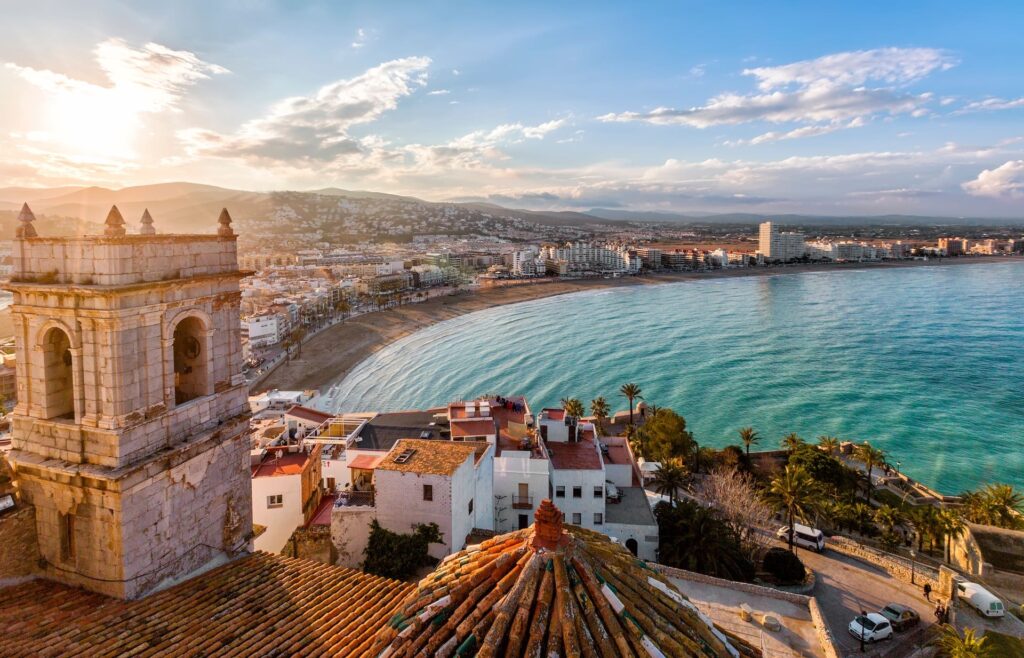
15. Valencia, Spain
Rating: 17/25
Relative value brings Valencia into the ranking, although several years of strong appreciation mean that advantage now deserves closer examination.
July 2026 asking data placed apartments at approximately €2,767 per square metre, up 7.67% annually. The same series stood at €1,703 in 2022, implying an increase of roughly 62% over four years, while prime districts trade materially above the citywide average.
At the same time, the city gives you a substantial year-round environment with international aviation, healthcare, schools, culture, beaches and marina infrastructure. That breadth supports permanent living as comfortably as extended seasonal use.
Recent growth shifts the investment question toward the quality of the individual asset. Future performance will depend increasingly on defensible location, building quality and the strength of demand at your exact price point.
Spain’s wider framework introduces another consideration. Property carries limited mobility value, while wealth taxation can become material for certain internationally mobile households.
If you are looking for a lower entry point into a mature Mediterranean city with strong everyday infrastructure, Valencia deserves attention. The acquisition simply has to be selective enough to preserve the value proposition that drew you there.

14. Barcelona, Spain
Rating: 17/25
Barcelona’s advantage is depth, and that matters when you treat the exit with the same seriousness as the acquisition.
A substantial domestic purchaser base sits alongside international business, global aviation, private healthcare, schools, culture and marina infrastructure. As a result, the residential market benefits from a wider future purchaser pool than many smaller coastal destinations.
That same depth also gives the property greater flexibility in use. Barcelona can support a principal residence, a business base or a long-duration European home, with the city’s economic and cultural infrastructure active throughout the year.
Spain’s national framework creates the weaker part of the proposition. The property-linked investor residence route ended in April 2025, while wealth taxation and tighter rental regulation can materially change the economics of ownership depending on your circumstances.
With mobility already resolved, Barcelona becomes considerably stronger. Urban depth, international connectivity and a broad resale audience then take on far greater importance than its fourteenth-place position initially suggests.
Because every category carries equal weight, the ranking captures the jurisdictional compromises as carefully as it captures the strengths of the real estate.
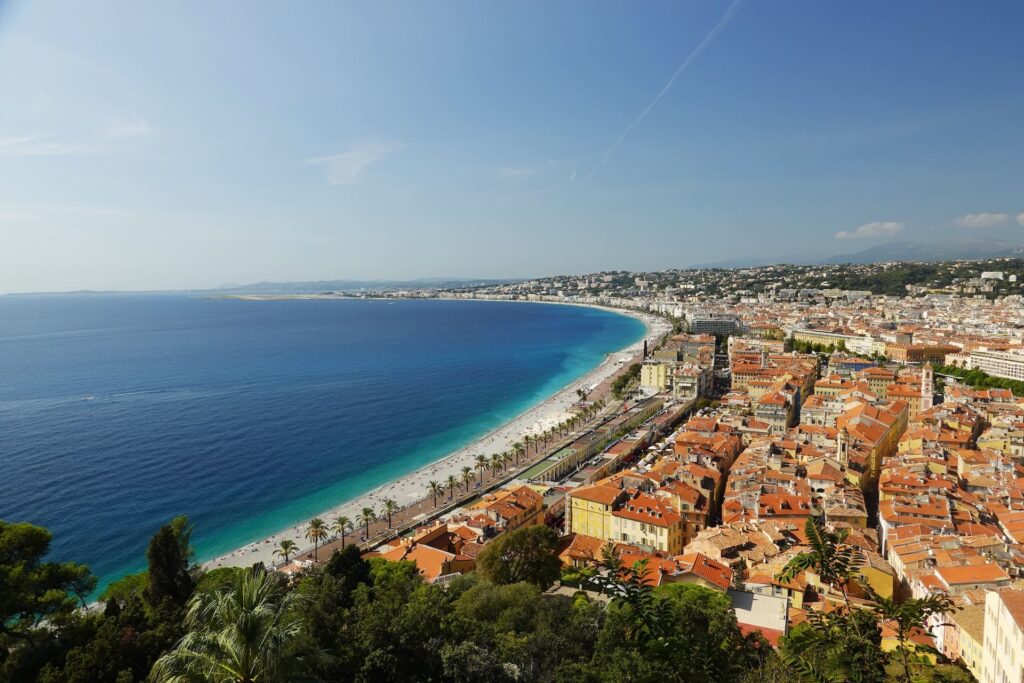
13. Nice, France
Rating: 17/25
Nice offers one of the most convincing year-round lifestyle propositions on the French Mediterranean.
Mont Boron recorded an estimated median value of approximately €7,650 per square metre in June 2026, with the upper range moving beyond €11,000. Around that property market sits an international airport, major hospitals, private schools, rail connections, culture and a permanent population large enough to support daily life throughout the year.
Such infrastructure also broadens the eventual purchaser pool. A prime residence can appeal to a relocating family, an international professional or someone seeking a permanent or seasonal European base.
French taxation and immigration structure reduce the overall score. High-value property can create material wealth-tax exposure, while ownership contributes little to residence planning.
If your immigration position is already secure and you want a coastal base with genuine urban infrastructure, Nice is a compelling choice. From there, the underwriting comes down to the exact address, the permanence of the view and the quality of the building, because the city’s strongest pockets can behave very differently from the wider market.
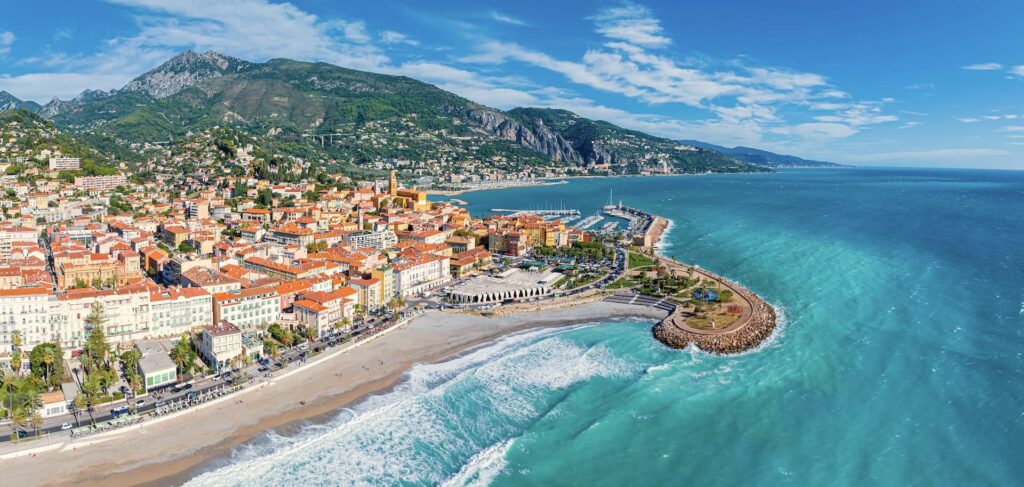
12. Cannes, France
Rating: 17/25
Cannes rewards precision because the gulf between expensive property and genuinely scarce property can be considerable.
Prestige apartments along the Croisette have recorded transaction levels from approximately €15,000 to €50,000 per square metre, with exceptional high-floor sea-view residences capable of exceeding that range. Those figures belong to a specific segment of the market and deserve to be treated accordingly.
A Croisette address carries global recognition, yet the investment case still depends on the individual asset. Floor level, view protection, building quality, parking, service and eventual resale audience determine whether the premium is defensible.
Support also comes from the wider Côte d’Azur, where Nice Airport, Monaco and a deeply established international wealth network reinforce demand. At the same time, France contributes limited mobility value through property ownership and can impose significant taxation on high-value real estate.
For a strategy centred on trophy ownership and international resale recognition, Cannes can justify a substantial allocation. The discipline lies in paying scarcity pricing only when the asset itself carries scarcity.
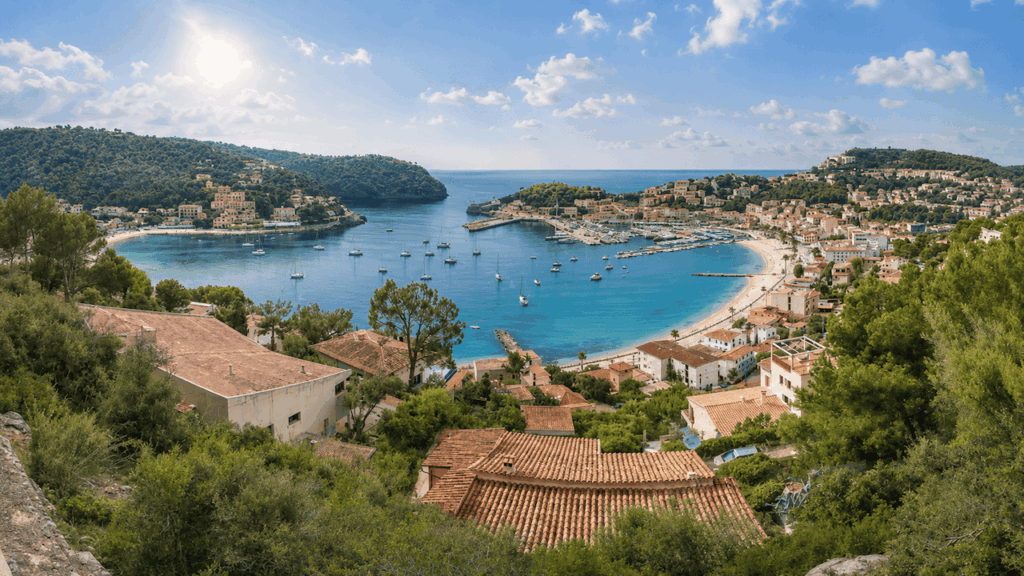
11. Palma de Mallorca, Spain
Rating: 17/25
Palma is expensive enough to demand conviction, and Spain gives you fewer reasons to justify that premium.
June 2026 asking values reached approximately €5,531 per square metre, up 7.2% annually. Palma can support that pricing through international aviation, private healthcare, schools, marinas and a substantial permanent population, while Mallorca’s mix of historic apartments, waterfront homes and private estates creates real depth across several prime segments.
The weakness sits outside the property. Spain has ended property-linked investor residence, while the tax treatment of internationally mobile private wealth can materially reduce the efficiency of ownership.
So Palma is strongest when you already want Mallorca and your residence and tax position are solved elsewhere.In that case, you are paying for a mature island market with genuine year-round demand. If you expect the jurisdiction itself to add strategic value, the premium becomes harder to defend.
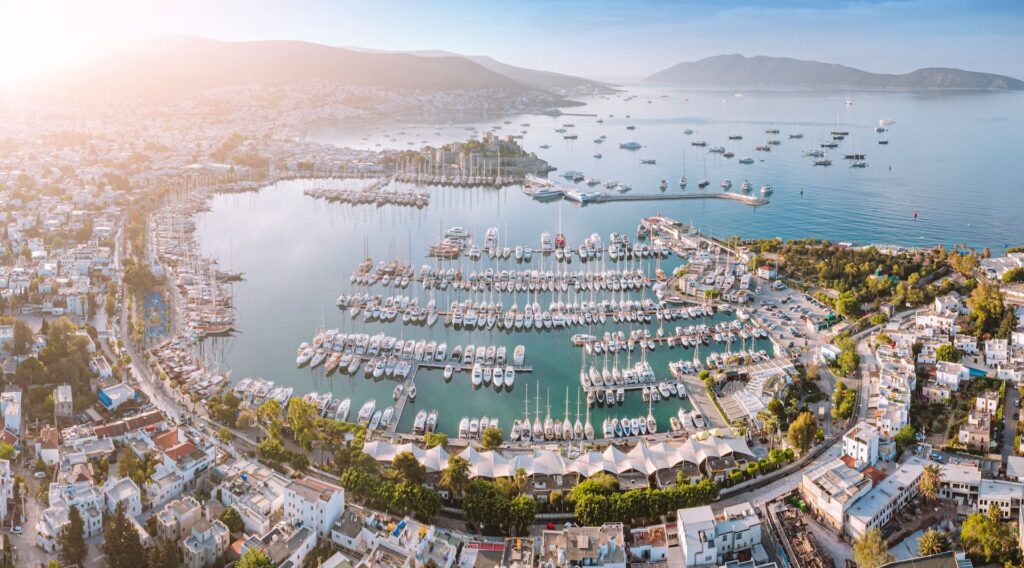
10. Bodrum, Türkiye
Rating: 18/25
Bodrum enters the top ten because one acquisition can serve several strategic purposes, although the surrounding macroeconomic environment requires a higher tolerance for volatility.
A qualifying US$400,000 property investment can support Turkish citizenship, subject to the relevant programme conditions and holding period. Meanwhile, the peninsula’s upper residential market has matured through international marinas, branded hospitality and a growing supply of sophisticated private villas.
June 2026 data placed Bodrum-wide residential asking or model values around TRY125,390 per square metre, with materially higher figures in prime districts. Any gain measured in Turkish lira then needs to be translated into the currency in which you measure your wealth, because euro, dollar or sterling performance can tell a very different story.
Political, currency and institutional exposure therefore sit directly inside the investment case.
If mobility, lifestyle and upside all belong in your acquisition brief, Bodrum can be highly compelling when your portfolio has the capacity to absorb the jurisdiction’s macroeconomic volatility. A preservation-led strategy, by contrast, will generally favour markets further up the ranking with a more defensive institutional profile.
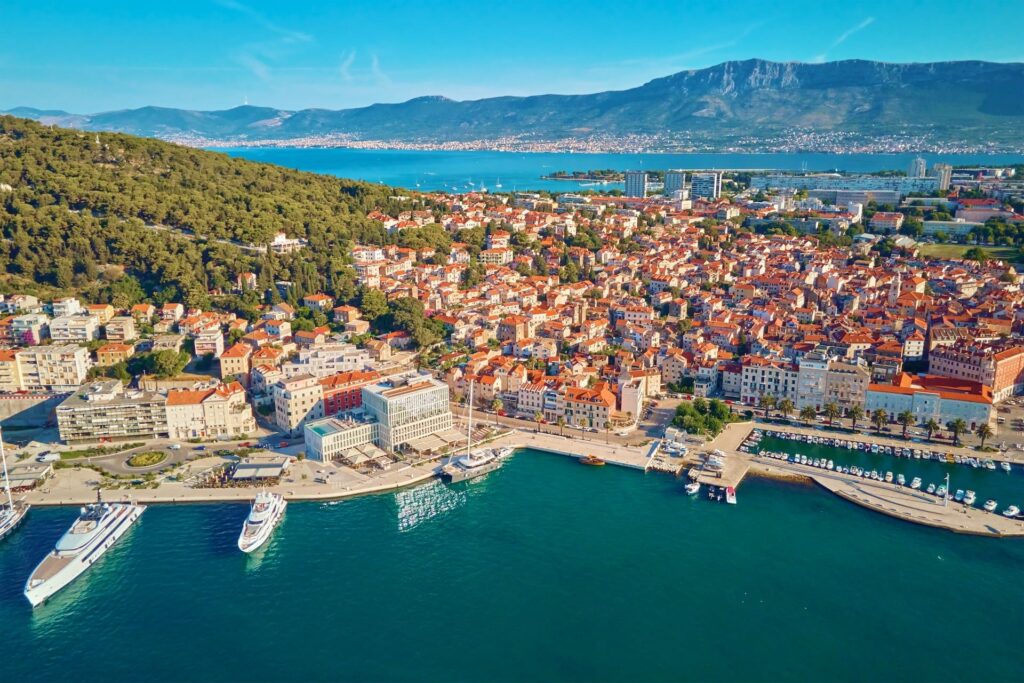
9. Split, Croatia
Rating: 18/25
Split shows exactly why price growth deserves context.
Official Croatian statistics recorded Adriatic house prices rising 12.6% year on year in Q1 2026. During the same period considered in the research, national transaction counts fell 42.2% and transaction value declined 35.4%.
Together, those figures create an important tension. Values are rising while market activity weakens, which makes the eventual exit relevant from the day you enter.
Croatia compensates with strong institutional credentials. EU membership, the euro and Schengen sit alongside Split’s aviation, hospitals, marina infrastructure, historic architecture and substantial year-round population.
Property contributes less to residence planning for a non-EU household, and ownership requirements can depend on nationality and reciprocity.
For capital prioritising institutional stability and European integration, Split makes a persuasive case. Asset selection then becomes especially important, because the distinction between a liquid property and an expensive one grows sharper when transaction volumes are under pressure.
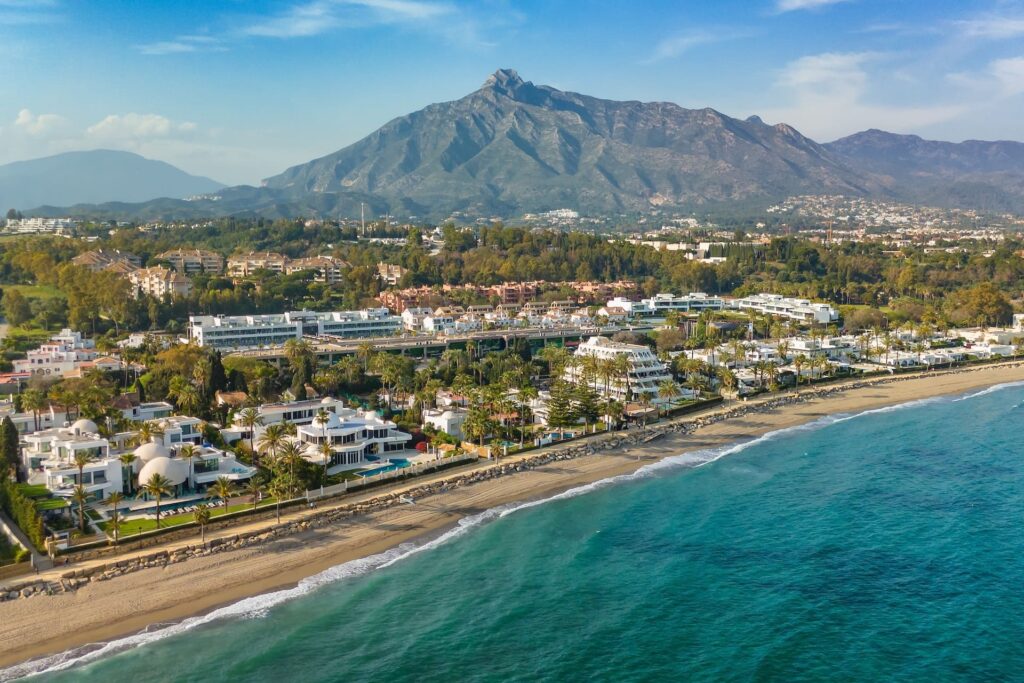
8. Marbella, Spain
Rating: 18/25
Marbella’s eighth-place position is deliberately uncomfortable because the real-estate market itself performs considerably better.
Prime residential values increased 8.1% during 2025, while Marbella accounted for 4,379 transactions within the Golden Triangle’s 8,540 residential sales. At the top end, selected Golden Mile and beachfront developments have established pricing far above municipal averages.
Lifestyle infrastructure is equally mature. International schools, private healthcare, golf, restaurants, professional services and Málaga Airport allow the property to support permanent living as comfortably as seasonal use.
Spain pulls the overall score lower. The property-linked investor residence programme ended in April 2025, while wealth taxation and the Solidarity Tax on Large Fortunes can materially affect certain HNW ownership structures.
Once residence is already settled and tax efficiency carries less weight in your decision, Marbella can move dramatically higher in your personal ranking. Under those circumstances, the depth of the property market, the strength of the service ecosystem and the international resale audience become much more influential.
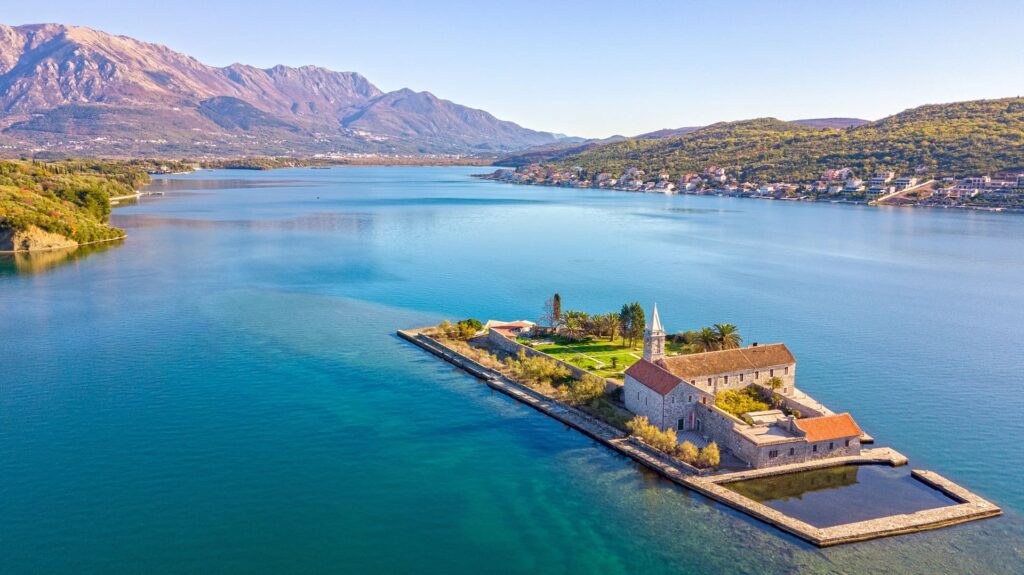
7. Tivat, Montenegro
18/25
Tivat is still treated by some investors as an emerging Adriatic market, even though its best property has already learned to charge established Mediterranean prices.
Prime values now sit broadly around €8,000 to €14,000+ per square metre in Porto Montenegro, €8,500 to €12,000+ in Portonovi and €5,600 to €12,300 in Luštica Bay. Those ranges tell a very different story from Montenegro’s generic coastal averages and reflect how quickly the upper end has matured around branded residences, international marinas, professional management, hospitality and golf.
The jurisdiction adds substance. Investment income and individual capital gains are generally taxed at 15%, while qualifying property of at least €200,000 can support renewable temporary residence. That combination gives the acquisition genuine tax and mobility relevance alongside the real estate itself.
The tension is price. At €10,000-plus per square metre, you are no longer being compensated simply for accepting Montenegro risk. Waterfront position, management quality, branding and resale depth now have to justify the premium. Tivat still offers more jurisdictional upside than many western markets, but its leading developments are already charging accordingly.
At €10,000-plus per square metre, you are no longer being compensated simply for accepting Montenegro risk.The asset now has to justify itself through waterfront position, management quality, branding, rental demand and eventual resale depth. In other words, Tivat still offers more jurisdictional upside than many western markets, but its leading developments have already become very comfortable charging western-market prices.
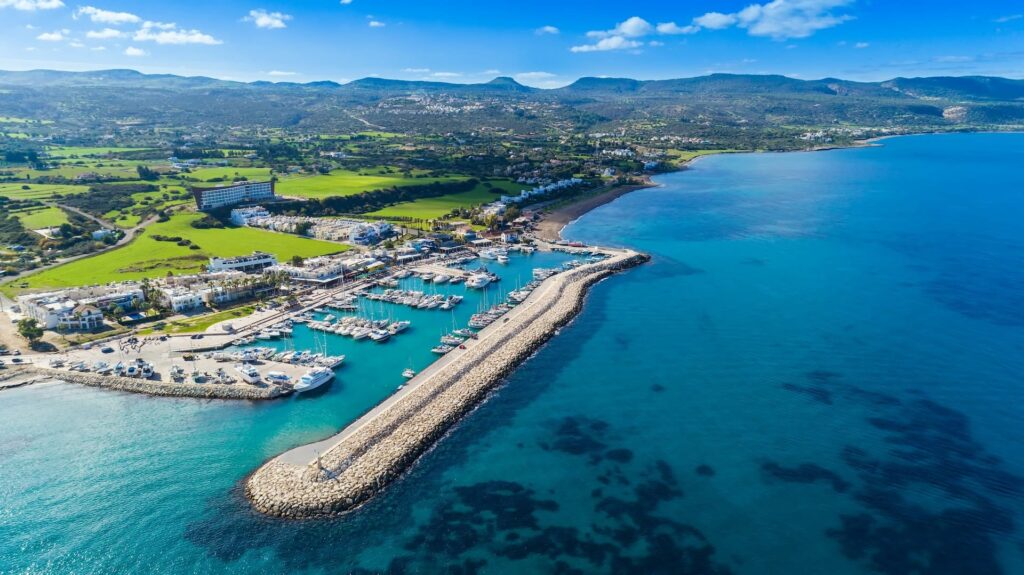
6. Paphos, Cyprus
Rating: 19/25
Paphos combines meaningful residence access with a lower capital entry than several markets above it.
Its share of Cyprus’s €1.5 million-plus luxury transactions increased from 18% in 2024 to 28% in 2025, while foreign purchasers represented approximately 75% of district transactions in the first quarter of 2026. That level of international participation gives the market significant external demand.
Cyprus’s permanent-residence framework strengthens the proposition. Qualifying investment from €300,000 plus VAT where applicable can support permanent residence, subject to the relevant income and programme requirements.
Alongside that, Paphos provides golf, international schools, direct aviation and established resort infrastructure, while entry values remain below Limassol.
The compromise appears in market depth. Limassol offers a broader professional-services sector, stronger corporate activity and a deeper trophy-residential market.
When residence access, relative value and international demand sit high on your list, Paphos deserves serious attention. Greater emphasis on future liquidity and private-wealth infrastructure, however, can justify the larger capital commitment required in Limassol.

5. Mykonos, Greece
Rating: 20/25
Mykonos is exceptionally strong real estate with a distinctly seasonal operating profile.
Average luxury values in the transaction dataset used for this comparison reached approximately €10,800 per square metre, slightly above the Athens Riviera. Buildable prime coastal land remains constrained, while the international buyer base is firmly established.
Greece contributes additional strategic value through its wider tax and residence framework. The current Golden Visa threshold for conventional qualifying property on Mykonos is €800,000, while relocation can also make the country’s tax regime relevant to a broader wealth strategy.
Seasonality introduces the principal limitation. Healthcare, schooling, aviation, staffing and service availability change materially outside the main season, so the importance of that trade-off depends heavily on how you intend to use the home.
A brief centred on trophy ownership, personal use and structural coastal scarcity can push Mykonos much higher. Permanent family living introduces a different set of demands, which is why the island finishes fifth under an equally weighted methodology.
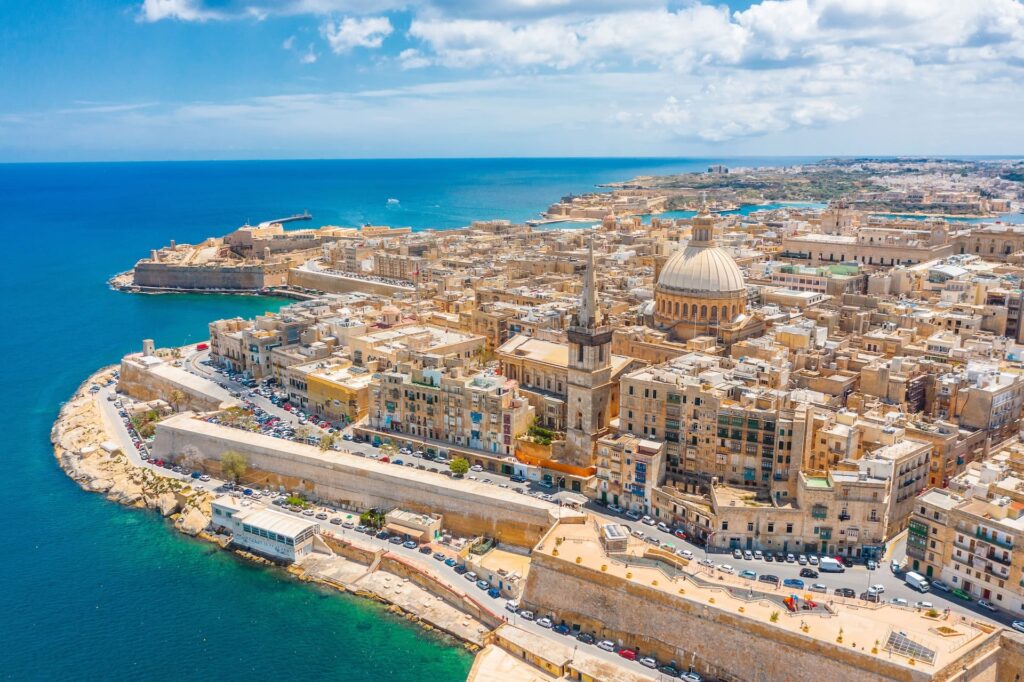
4. Malta Coastal Metro
Rating: 20/25
Malta gives you an efficient jurisdiction, although the property still needs to justify the capital allocated to it.
For this comparison, Sliema, St Julian’s and Valletta are treated as one coastal metropolitan market because that better reflects how international owners use the island. National residential prices rose approximately 6.1% year on year in Q4 2025, with apartments increasing 6.2%.
Private-wealth planning strengthens the case. Qualifying relocated individuals can access special tax programmes under which foreign-source income remitted to Malta is generally taxed at 15%, subject to programme conditions and minimum annual taxation. Malta’s Permanent Residence Programme also provides a meaningful route for qualifying third-country nationals.
Greater discrimination is required at property level. Development density is high, construction quality varies and an expensive apartment can still offer weak structural scarcity.
Where Malta appeals for tax, residence and connectivity, the underwriting should move quickly to building level. View protection, construction standards, management quality and resale depth determine whether the real estate supports the jurisdictional advantages that attracted you in the first place.
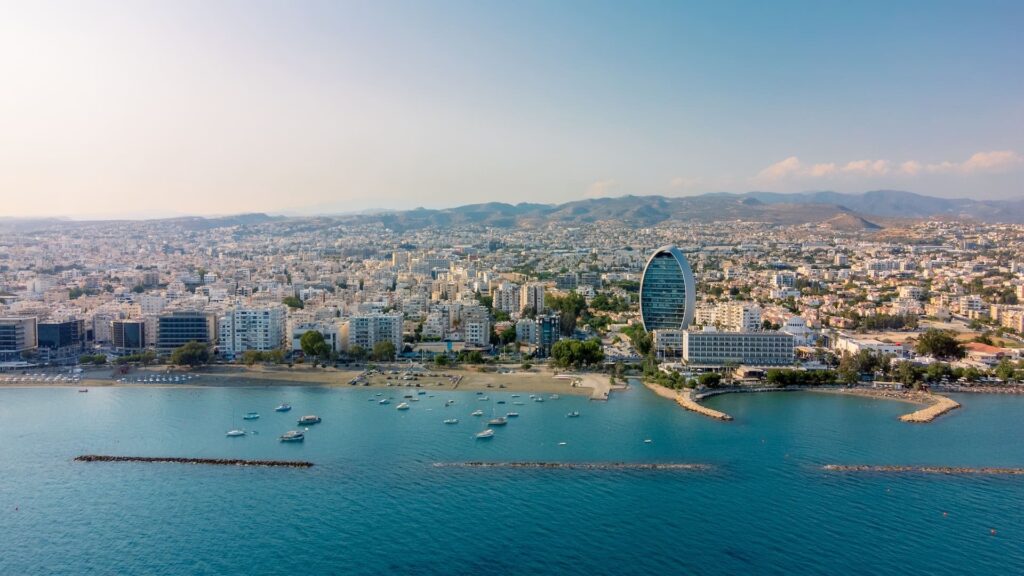
3. Limassol, Cyprus
Rating: 21/25
Limassol performs strongly because the property can sit inside a broader private-wealth strategy without forcing you to sacrifice year-round usability.
Cyprus recorded approximately €6.5 billion in property transactions during 2025. While Limassol represented 41% of total transaction value and 61% of the country’s €1.5 million-plus luxury residential market. Foreign purchasing activity continued to expand as well.
Residence planning adds another advantage. Qualifying investment from €300,000 plus VAT where applicable can support permanent residence, subject to the relevant income and programme requirements. Cyprus has also abolished national immovable-property tax, while local charges and capital-gains taxation remain part of the ownership model.
International schools, private healthcare, marinas, professional services and a commercial economy active throughout the year strengthen the residential proposition further.
Geopolitical and institutional exposure reduces the security score relative to several western European jurisdictions. Even after that adjustment, the market remains unusually complete.
For a strategy combining property, residence, business infrastructure and private-wealth planning within one jurisdiction, Limassol is among the strongest options in the comparison.
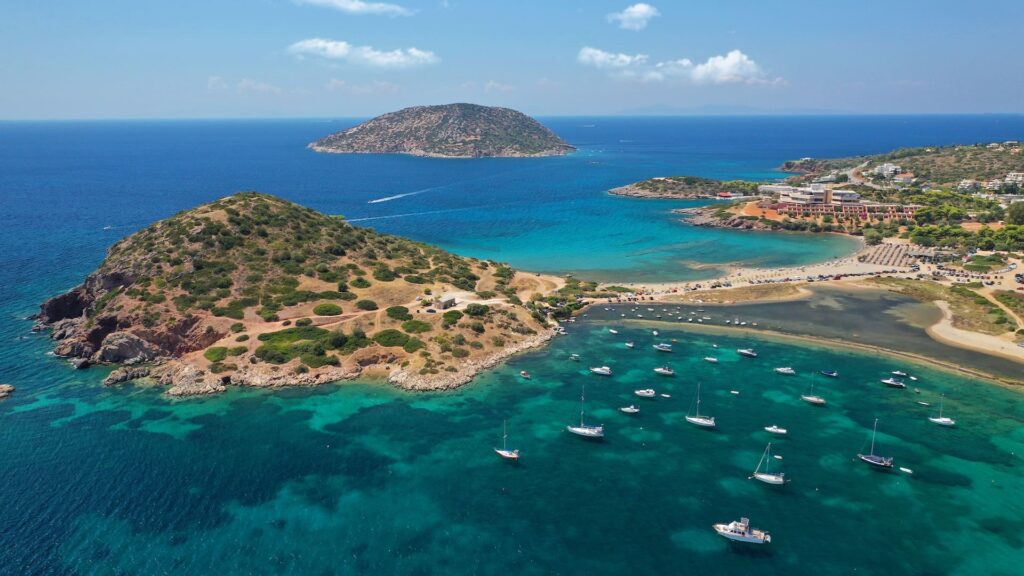
2. Athens Riviera, Greece
Rating: 21/25
The Athens Riviera combines prime coastal living with a tax and residence framework capable of adding real strategic value to the acquisition.
Analysis of €550 million in completed high-end transactions placed average luxury values around €10,500 per square metre along the Riviera. Established addresses such as Vouliagmeni and Glyfada are now reinforced by the long-term effect of the Ellinikon redevelopment, while Athens provides international schools, major hospitals, aviation, culture and professional infrastructure.
Greece also offers Article 5A for qualifying new tax residents and a Golden Visa framework linked to property. In greater Athens, the conventional threshold currently sits at €800,000, with specific lower-threshold routes available for qualifying conversions and restoration projects.
Acquisition quality still depends heavily on execution. Planning history, alterations and property-specific legal or technical issues can materially change the strength of the asset.
If you are looking for a coastal home that can also support mobility, tax planning and access to a major capital, the Athens Riviera offers an unusually coherent proposition.
Only one market scores higher.
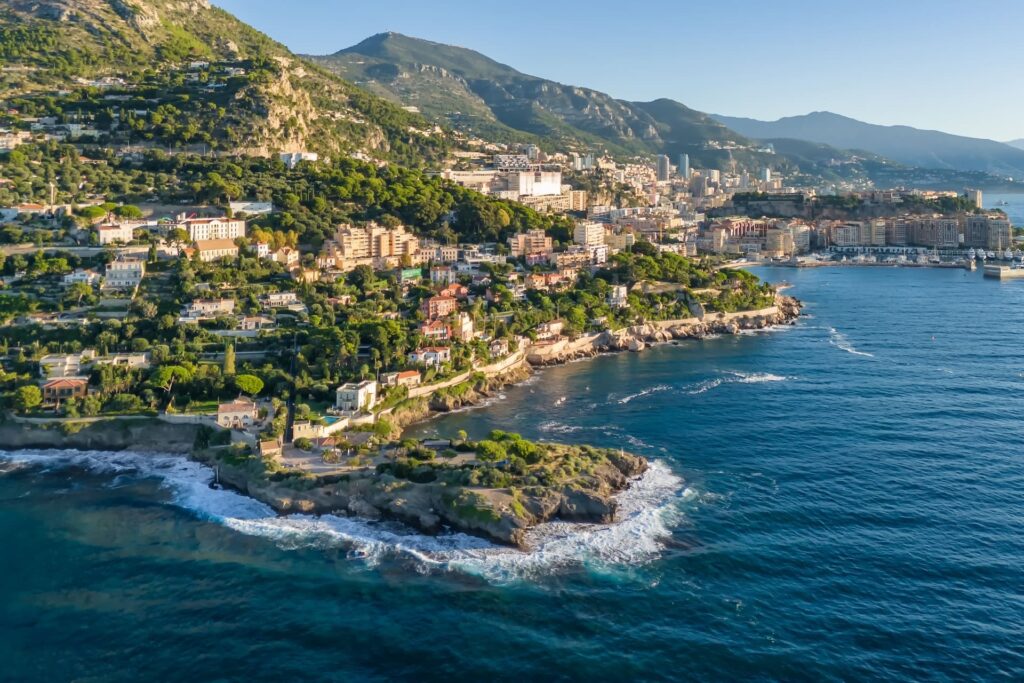
1. Monaco
Rating: 23/25
Monaco takes first place because preservation, security and resale depth reinforce one another unusually well.
Average resale prices reached approximately €57,569 per square metre in 2025, while Larvotto averaged around €71,167. The stronger evidence sits in transaction activity: 493 transactions generated approximately €5.9 billion in total value during the year. Average prices softened 1.4% from 2024 and remained roughly 42% above 2016 levels.
For substantial private capital, that combination is highly consequential. Scarcity becomes much more valuable when the market also demonstrates a credible ability to absorb high-value transactions.
Property can satisfy the accommodation component associated with a Monaco residence application, while the financial and administrative requirements for residence remain separate. The jurisdiction then adds institutional continuity, security and an established private-wealth infrastructure.
Income plays a secondary role in this market. Preservation is the principal case.
When your priority is to hold substantial capital in scarce residential real estate with a deeply international future purchaser pool and a highly established private-wealth environment, Monaco produces the strongest overall proposition in the comparison.
The Highest-Ranked Market Can Still Be the Wrong Place for You
A ranking is useful until you start outsourcing the decision to it.
Monaco leads this comparison because it performs consistently across all five measures. That still does not make Monaco the right answer if you are relocating with children, prioritising rental income, seeking a low-maintenance second home or building around a specific tax and residence strategy.
The purpose of the acquisition changes the weighting immediately. Permanent relocation pushes healthcare, education, tax residence and year-round infrastructure higher. Seasonal use makes access, management and maintenance more important. Income introduces licensing, operating costs and occupancy. Long-term preservation moves scarcity, institutional continuity and resale depth to the front.
That is why a lower-ranked market can produce the stronger outcome. Marbella may suit your life far better than a more tax-efficient jurisdiction. Cyprus may make more strategic sense when residence access matters. Mykonos may outperform for seasonal use while proving far less convincing as a permanent family base.
The real mistake is treating first place as a recommendation. It is a benchmark. Your circumstances decide whether it is useful.
The Market Can Sell You Status. It Cannot Guarantee the Exit.
Mediterranean real estate has no shortage of addresses capable of commanding a premium before you have examined what sits behind it. Recognition attracts demand, but it can also make mediocre property remarkably expensive when the postcode begins carrying more of the valuation than the asset itself.
That is where your final decision needs to become personal. If you are relocating with your family, the strongest acquisition may be the home that gives you the right schools, healthcare, connectivity and daily infrastructure, even if another market scores higher on tax efficiency. A second home creates different priorities around access, management and the ease of owning from another country. Meanwhile, rental income or long-term preservation introduces another layer of scrutiny around operating costs, regulation, scarcity and the depth of the eventual resale market.
Price deserves the same discipline. Paying a substantial premium can make complete sense when waterfront position is protected, supply is genuinely constrained and the future purchaser pool has repeatedly demonstrated its willingness to pay for those characteristics. Problems emerge when the premium rests primarily on branding, recent price growth or an address whose reputation has already been fully monetised by the seller.
Ultimately, the strongest Mediterranean property is the one whose advantages still matter after the initial attraction has worn off. You should know why you are paying the premium, what you receive for it during ownership and who is likely to recognise that value when your circumstances eventually change.
A prestigious address can justify the price. Your ownership case has to justify the decision.
Frequently Asked Questions About Mediterranean Real Estate
Where is the best place on the Mediterranean to buy property?
The strongest location depends on what you expect the property to achieve. In our comparison, Monaco ranks highest overall for capital preservation, security and resale depth, while the Athens Riviera and Limassol perform particularly well when residence access and private-wealth considerations enter the decision. Your tax position, intended use, ownership horizon and eventual exit strategy should ultimately determine which Mediterranean market is best suited to you.
Which Mediterraneanreal estate markets are strongest for capital preservation?
Markets combining constrained prime supply with sustained international demand and credible resale liquidity generally offer the strongest preservation characteristics. Monaco leads our ranking on this basis, supported by structural scarcity, transaction depth and an established private-wealth environment. Cannes, Marbella and Mykonos also offer compelling scarcity at the upper end, although taxation, residence options and market liquidity differ considerably between them.
Which Mediterranean property markets offer the strongest residence options?
Greece and Cyprus stand out among the markets assessed because qualifying property investment can contribute directly to residence planning. The Athens Riviera and Mykonos benefit from Greece’s Golden Visa framework, while qualifying acquisitions in Limassol and Paphos can support permanent residence in Cyprus. Montenegro also allows property ownership to support renewable temporary residence. Eligibility, investment thresholds and the rights attached to each programme differ, making specialist legal and tax advice essential before acquisition.
What should you consider before buying Mediterranean real estate?
Begin with the purpose of the property and assess the jurisdiction alongside the asset itself. Tax exposure, residence rights, legal security, annual ownership costs, construction quality, location, year-round usability and resale depth can all influence the long-term ownership case. You should also examine the future purchaser pool and liquidity at your specific price point, particularly when acquiring trophy homes or properties carrying substantial premiums for views, branding or waterfront positioning.
What is the safest Mediterranean country?
For property ownership, safety encompasses personal security alongside political stability, institutional continuity and confidence in the legal environment protecting your asset. Among the markets assessed in The Coastal Comparison, Monaco receives the strongest safety score, supported by exceptionally high personal security and an established institutional environment. Your assessment should still extend to the individual property, its location and the jurisdictional risks relevant to your ownership horizon.