



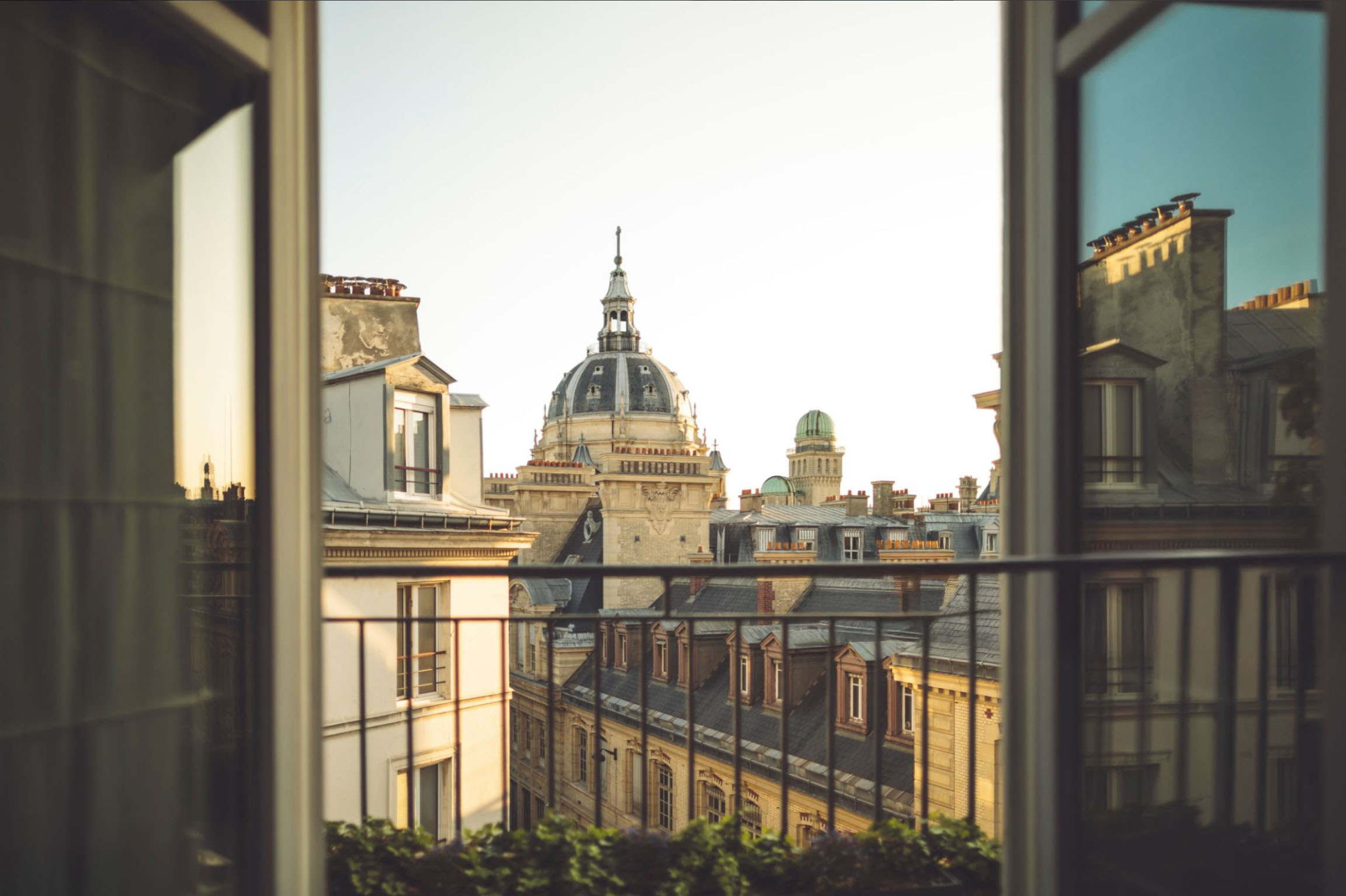
Paris 1st Luxury Property Market
Paris 1st, nestled at the heart of the French capital, represents the pinnacle of urban prestige and classical elegance. Home to celebrated institutions, historic gardens, and the world's most renowned shopping promenades, the arrondissement attracts tastemakers seeking both privacy and cosmopolitan vibrancy. The rich architectural heritage blends Renaissance, Haussmannian, and contemporary design, creating a residential atmosphere as sophisticated as its iconic neighbors: the Louvre, Palais Royal, and Place Vendôme. In Paris 1st, every address carries the cachet of deep-rooted culture and unparalleled accessibility—qualities that resonate with those who value timeless refinement and a peerless global address.
Inside the Paris 1st Luxury Properties Market
The luxury segment in Paris 1st is driven by global demand for rarity and provenance. UNESCO-listed surroundings and limited supply underpin a market where properties retain long-term value.
Timings for prime acquisitions often align with private offering calendars, rather than public listing cycles, reflecting the discrete nature of transactions in this prestigious urban core.
Where to Buy in Paris 1st
A Market Overview
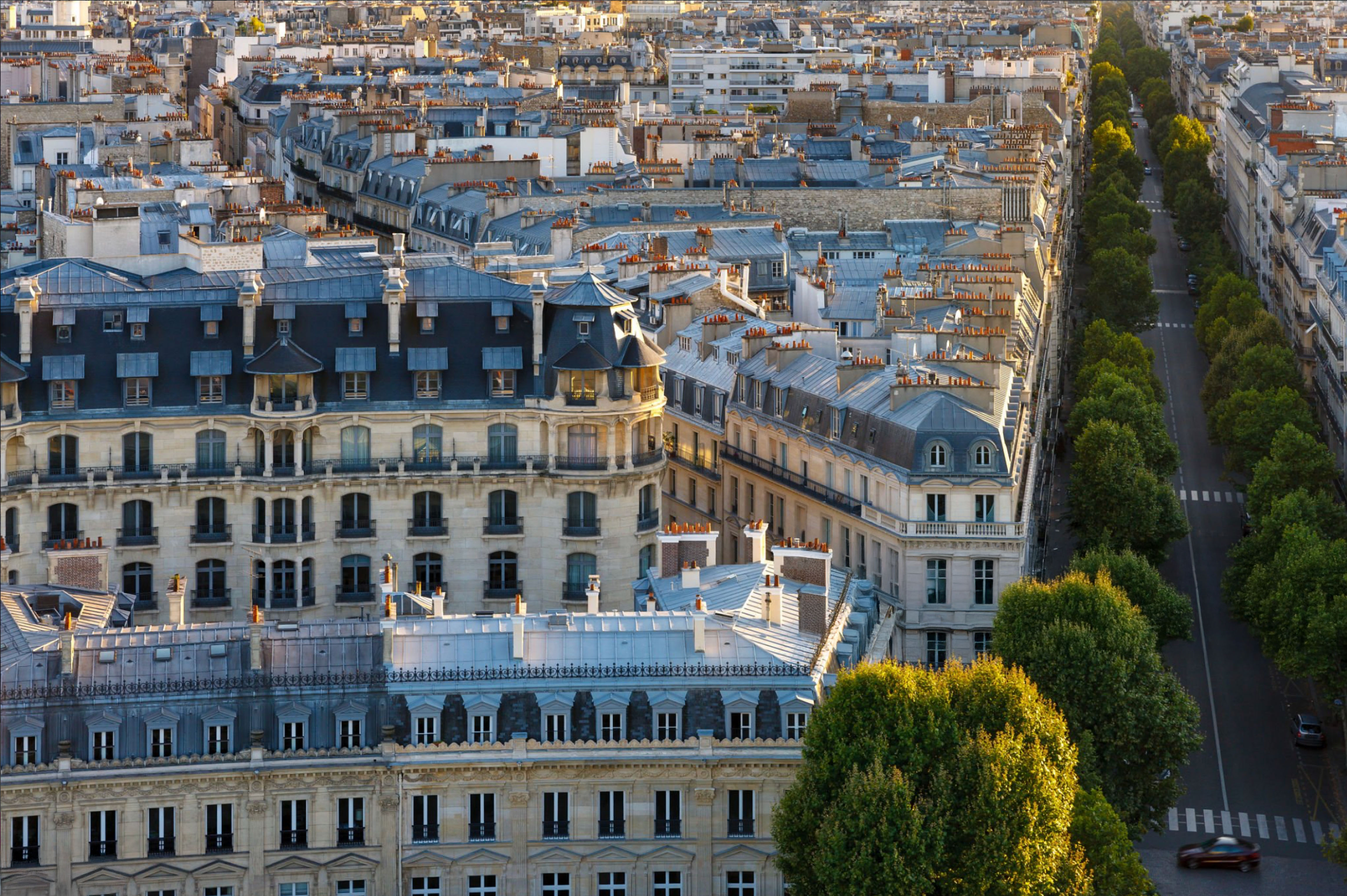
The arrondissement’s premier addresses include Rue de Rivoli, adjacent to the Tuileries, and Place Vendôme, celebrated for exclusive residences above storied ateliers. The area around the Palais Royal draws those with a penchant for artistic heritage, while some quiet pockets near the Seine offer rare privacy. Inventory is limited and properties are often traded privately among established networks.
Renovated apartments in heritage buildings represent stable investment opportunities, balancing demand from both owner-occupiers and international clients. The market structure in Paris 1st often requires a personal introduction and knowledge of off-market listings, underscoring the importance of trusted relationships.
Buying a Luxury Home in Paris 1st
A Place to Live and Invest in Paris 1st
Acquiring a residence in Paris 1st means access to a concentrated cultural nucleus and proximity to global financial, shopping, and culinary touchstones. The district attracts both French and international buyers—business leaders, institutions, and collectors—who value its unique blend of tradition and connectivity. Notable for its balance of residential tranquility and vibrant city life, Paris 1st’s property market reflects the enduring global appeal of Paris itself. Buyers are often drawn to the celebrated architecture, the scarcity of grand apartments, and discreet entryways, with many seeking pieds-à-terre or multi-generational family properties. French regulations ensure transparency in purchase processes, yet buyers benefit from local expertise to navigate nuances, such as preservation requirements or historical building intricacies.
Buying Property in Paris 1st
Purchasing in this arrondissement involves a structured process overseen by notaries, regulatory checks, and due diligence concerning building heritage and ownership records. Non-resident buyers typically face the same requirements as locals, though advisory on financing and tax obligations is vital. Demand remains resilient, particularly for immaculately restored apartments with period features and outdoor space. Expertise in local zoning and conservation regulations ensures seamless transactions and retention of property value over time.
Renting Out Property in Paris 1st
The tightly controlled short-term rental market favours longer leases, with demand from diplomats, executives, and families seeking prestigious city addresses. Property owners benefit from consistently high occupancy levels, though regular compliance with local laws is essential. The scarcity of new build residences underpins stable yields for luxury rental investments.
Why You Need Personal Property Advisors in Paris 1st
The intricacies of this market extend far beyond public listings, demanding nuanced understanding of architectural nuance, negotiation dynamics, and competitive bidding processes. Personal advisors grant privileged access to off-market properties, discreet transactions, and in-depth legal counsel. Their informed guidance ensures that new stewards of Parisian homes navigate evolving regulations and maximize value—discretion assured at every stage.
Business and Investment in Paris 1st
This arrondissement’s vital commercial corridors blend international headquarters with luxury boutiques and world-class gastronomy. The area’s creative sector thrives amidst art galleries and fashion houses, rendering it a hub for remote executives and boutique enterprises. Residential assets consistently draw attention for stable rental potential. Meanwhile, a flourishing hospitality market—anchored by renowned hotels and Michelin-starred dining—drives demand from discerning travelers and business visitors, supporting both short- and medium-term lease opportunities.
Political and Economic Stability in Paris 1st
France’s consistent governance and Paris’s reputation for operational continuity benefit property owners with reliable infrastructure and public services. The arrondissement enjoys strategic security and hosts numerous government institutions. Tourism remains robust year-round, reinforcing local economic vibrancy and underpinning property values. Continuous investment in civic amenities sustains the district’s global stature and enduring resident appeal.
What Does It Cost to Live in Paris 1st
The cost profile reflects an elevated urban standard: utilities, building fees, and apartment services align with central city norms. Housekeeping and private staff are frequently employed, with seasoned talent available through established agencies. Dining options range from celebrated brasseries to exclusive private clubs. Compared to other European capitals, living expenses benefit from Paris's robust public infrastructure and regulated healthcare, ensuring both comfort and value for residents.
The Paris 1st Lifestyle
Cultural immersion is effortless in this arrondissement—residents enjoy direct access to world-famous museums, classical concert halls, and private art exhibitions. The Seine embankments and Tuileries Gardens cater to outdoor leisure.
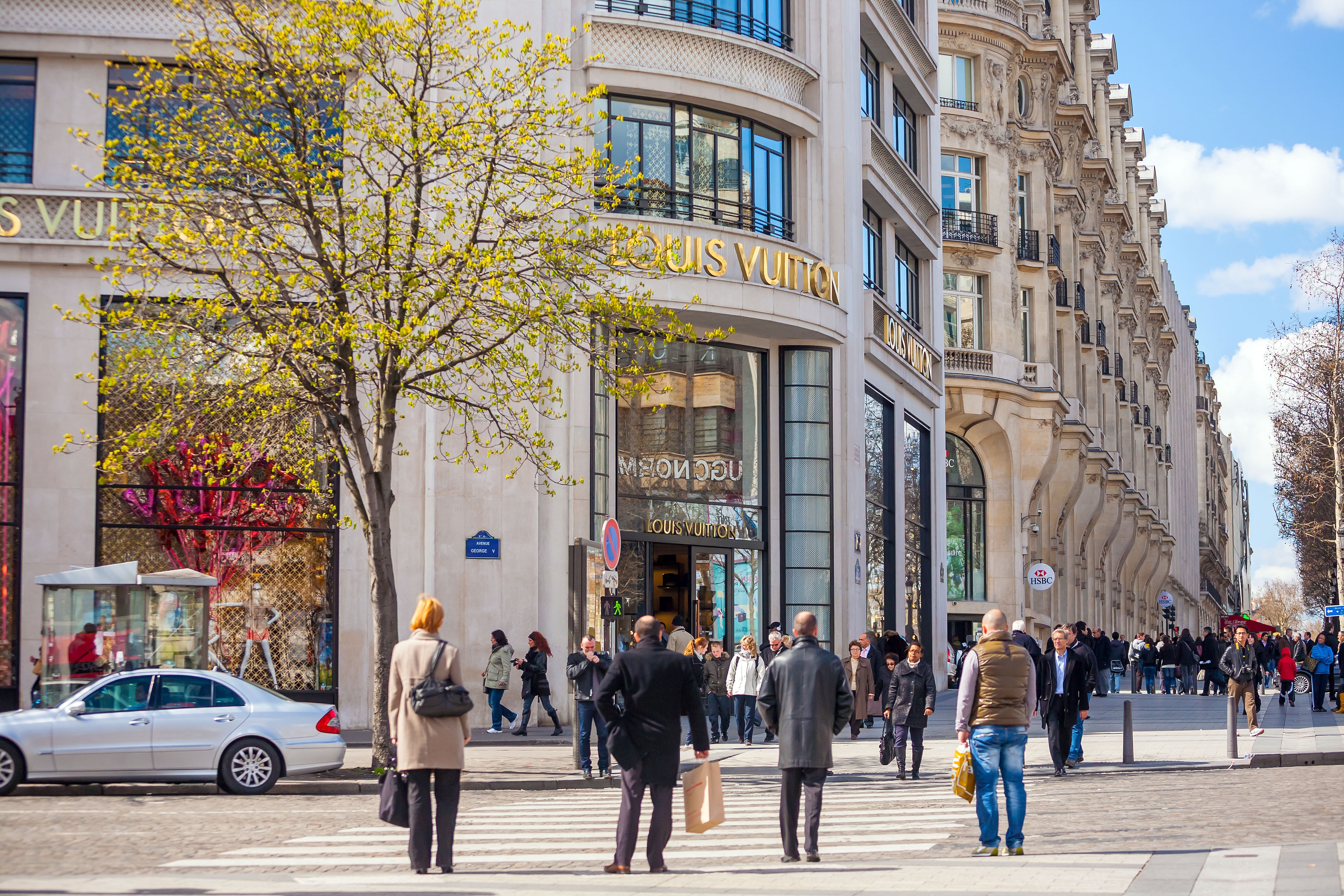
Designer ateliers and luxury shopping are a short stroll away. An understated yet unmistakable grandeur pervades daily life, further enhanced by gourmet dining and private member clubs catering to the international elite.
Paris 1st’s Climate
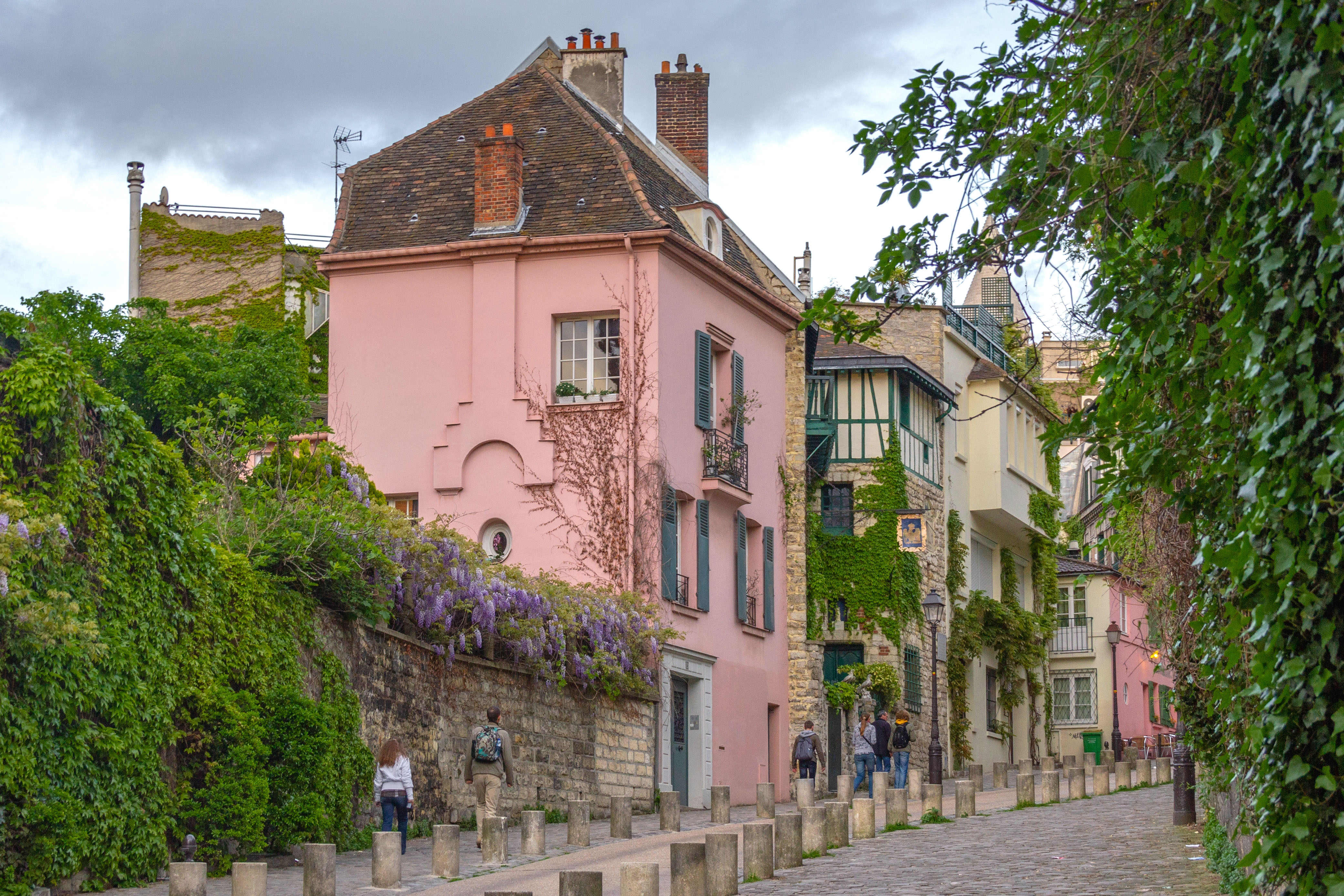
Paris experiences temperate seasons, with mild winters and pleasantly warm summers, rarely reaching extremes. This moderate climate allows residents and guests to appreciate outdoor terraces and gardens year-round.
Regular rainfall maintains the arrondissement’s lush urban parks, while seasonal festivals add further vibrancy.
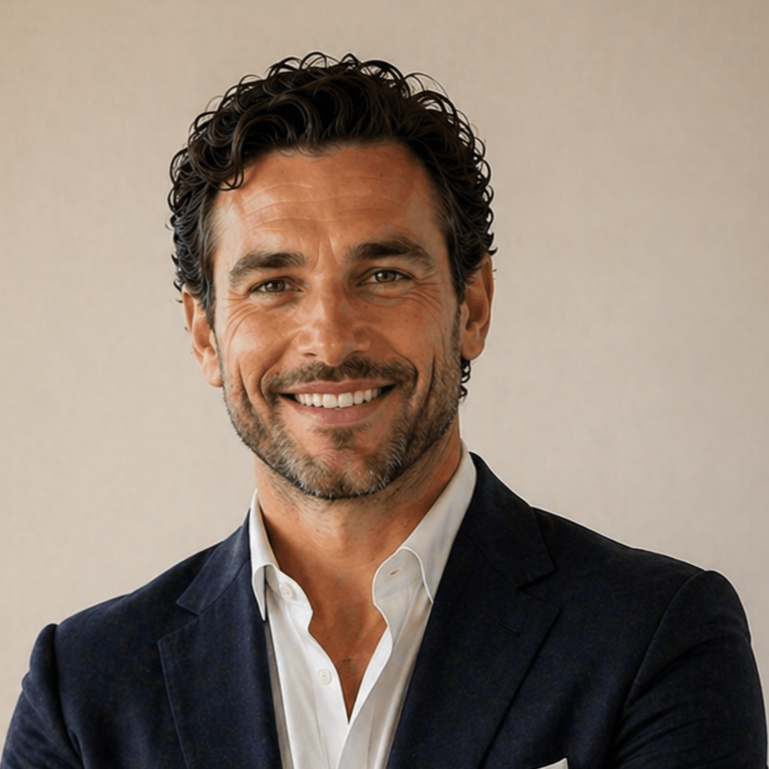

Contact us
Let us know what you're looking for.
Your personal property advisor will be in touch with tailored options.
The properties you prefer, and nothing more
That’s why we created a search service that ensures your search is private, personal, and precise. Our Personal Property Advisors filter the market, remove the noise, and present only the homes that truly fit your preferences, including many that never appear online. Instead of chasing listings, you receive a clear and complete selection you can trust.
One trusted contact focused solely on your interests
Direct access to exclusive off-market listings
Transparent guidance from local experts
A private search with no unwanted registrations
A streamlined, and safe path to your new home
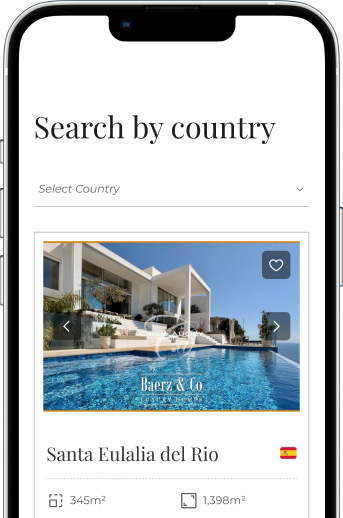
Search smarter,
not harder
Buying abroad?
Avoid common pitfalls.
Before you continue your property search, see what every buyer learns too late.
These are avoidable missteps, but only if you know where to look. In this short video, we share the three most common pitfalls that turn a dream search into a frustrating experience, and we show you how to approach the international market with clarity, confidence and the right support.
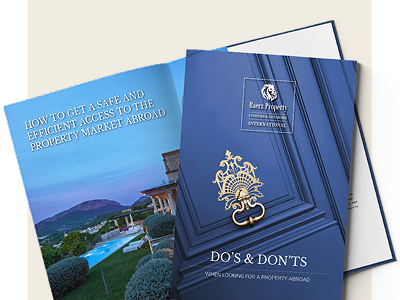
Access your free guide for safe
international property buying
Living in Paris 1st
Langres - Dijon - Grand Case - A Lifestyle for Everyone
Buying a Luxury Property in Langres
Langres blends architectural legacy, cultivated lifestyle, and discrete luxury.
The community’s focus on heritage and refined amenities draws international buyers and families seeking privacy, culture, and long-term value in central France.
Buying a Luxury Property in Dijon
Dijon offers refined community living, discreet luxury, and access to exceptional services.
International connections, cultural vibrancy, and robust infrastructure make it a preferred destination for discerning global buyers.
Buying a Luxury Property in Grand Case
Grand Case attracts individuals seeking exceptional living amid refined cultural and culinary experiences.
The area offers a vibrant, intimate community, curated real estate services, and seamless access to international amenities, appealing to discerning residents and investors.
FAQ
Yes, international buyers enjoy the same purchase rights as French citizens. Legal requirements are clear, though buyers are recommended to seek professional advice on tax and ownership structure.