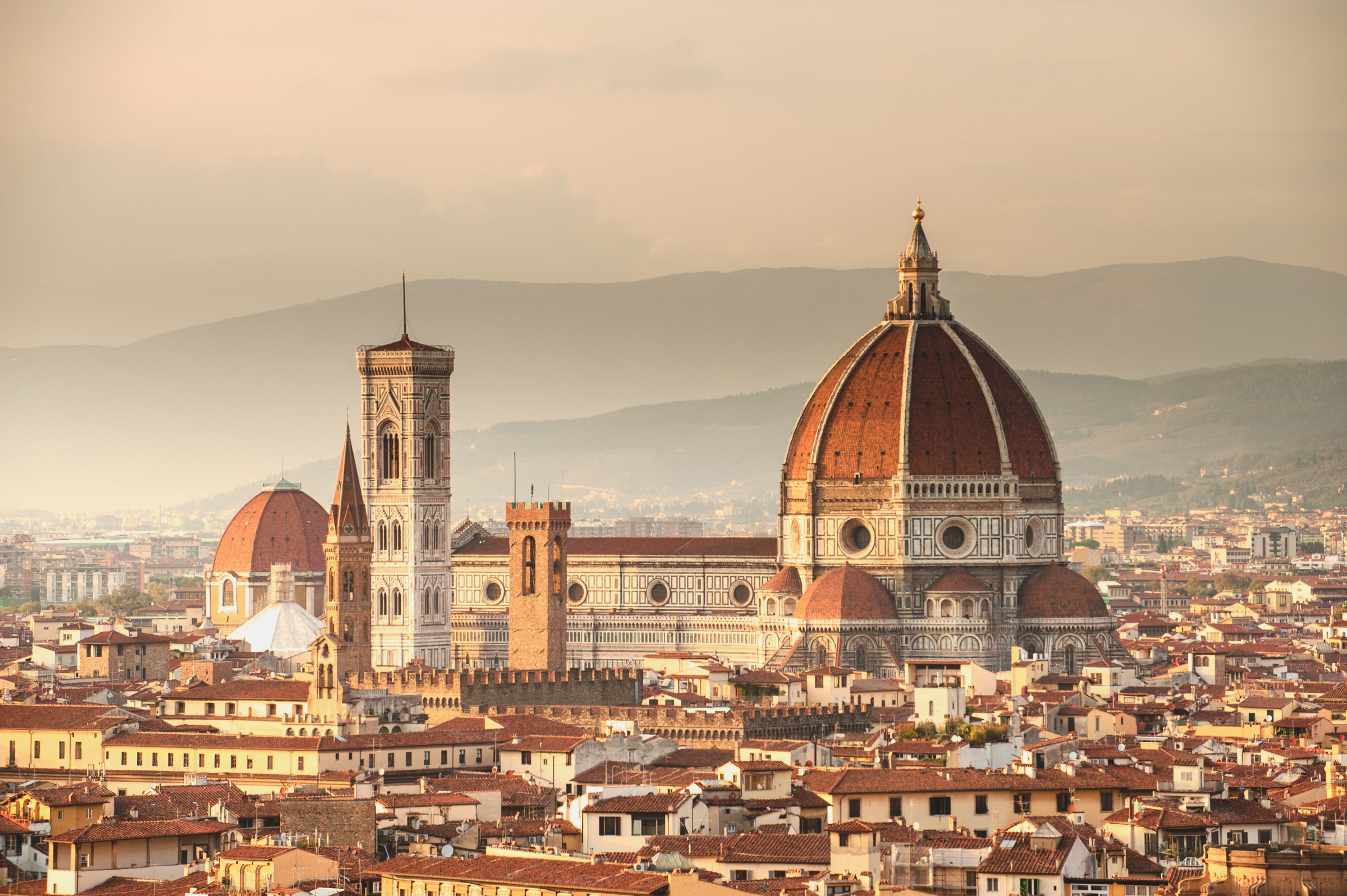
Interest in Tuscany luxury properties remains steady, particularly among international buyers pursuing heritage architecture and rural seclusion. Inventory in key locales such as Chianti and Val d’Orcia is limited, ensuring resilient prices. Timing acquisitions before broader seasonal interest may favour buyers seeking discretion and exclusivity.
The Florentine hills attract those interested in close proximity to the cultural capital, providing timeless villas with city and countryside access. Areas like Chianti, Lucca, and Val d'Orcia are favoured for their landscapes and seclusion, as well as access to wine and gastronomy routes. Coastal areas such as Versilia present opportunities for seaside retreats. Transactions typically involve international buyers, with some properties offered via private channels, necessitating an informed approach to secure unique residences.
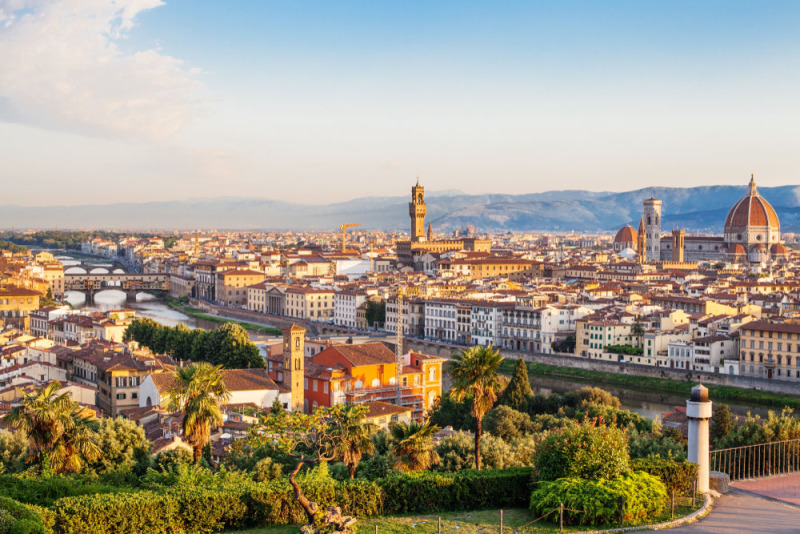
Tuscany appeals for its balance of privacy, heritage, and refined living. International buyers are drawn to restored farmhouses, wine estates, and historic villas, with each property offering a distinctive narrative. The buyer profile is diverse, from those seeking primary residences to those investing in vacation homes or income-generating properties. The region’s real estate market is influenced by a confluence of art, culture, and a reputation for quality of life, making it appealing for longer-term lifestyles and capital preservation.
Acquisitions can proceed via private treaty or public listing, often involving due diligence, provenance verification, and negotiation with local agencies. Legal protocols may require notarial oversight. It is advisable to collaborate with advisors fluent in market nuances and regulatory practices. Many prime estates are marketed discreetly, requiring established networks to gain access. Investors often seek historical buildings, with renovation potential supported by local artisans.
Tuscany’s appeal as a high-end holiday destination helps generate significant rental yields for owners. Properties with architectural pedigree and luxury amenities are preferred by international tenants. Holiday lets, particularly during summer and cultural festivals, are in demand. Managed rental programs and hospitality partnerships allow owners to capitalize on Tuscany’s strong tourism draw while maintaining flexibility for personal use.
Pursuing property in Tuscany involves navigating shifting supply, complex regulations, and off-market opportunities. Trusted advisors provide nuanced market intelligence, exclusive access to confidential listings, and seasoned negotiation skills. Their understanding of legal frameworks, restoration best practices, and local networks ensures clients make informed, rewarding decisions throughout the holding and acquisition process.
Tuscany’s landscape is fertile ground for those establishing boutique hospitality ventures, oenotourism enterprises, or luxury rentals. Remote work has opened new avenues, with restored estates serving as creative studios and headquarters. The region fosters a dynamic local entrepreneurial community rooted in design, gastronomy, and traditional craftsmanship. High-end short-term rentals and event-hosting properties yield attractive returns, especially in areas near Florence and Siena. New investment is increasingly directed toward sustainable agriculture and historic property renovation, reflecting global preferences for responsible, experiential luxury and long-term value.
Tuscany benefits from Italy’s stable legal framework, well-developed infrastructure, and a mature financial services sector. Regional governance supports sustainable heritage and tourism, ensuring consistent demand for residential and hospitality real estate. High-quality healthcare and connectivity, underscored by respected educational institutions, contribute to its enduring appeal. Tourism remains robust, providing economic resilience and safeguarding investment value for property owners.
The cost of living in Tuscany varies according to lifestyle and location. Utility costs for larger properties can be significant, especially for those with extensive grounds or historic features. Employing domestic staff, including gardeners and housekeepers, is common and adds to household budgets. Dining ranges from world-class restaurants to local trattorias, with food and wine reflecting the region’s quality. Compared with major cities, daily expenses can be moderate, but restored luxury estates command higher ongoing maintenance.
Life in Tuscany flows around vibrant festivals, contemporary art exhibitions, and Michelin-starred dining. Residents enjoy world-class viticulture, horseback riding, and cycling along undulating scenic roads. Historic cities such as Florence and Siena offer easy access to international events, opera, and designer boutiques. The lifestyle is shaped by an appreciation for craftsmanship, local produce, and restorative seclusion—appealing to those who value authenticity and cultural depth.
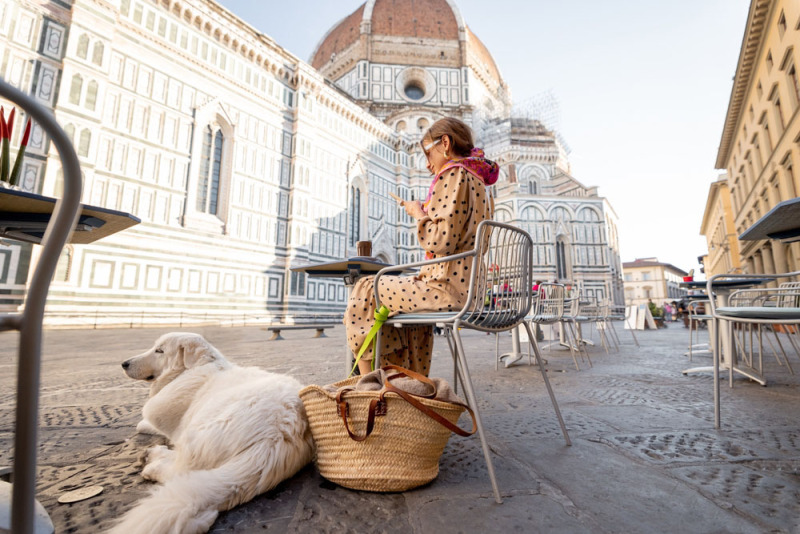
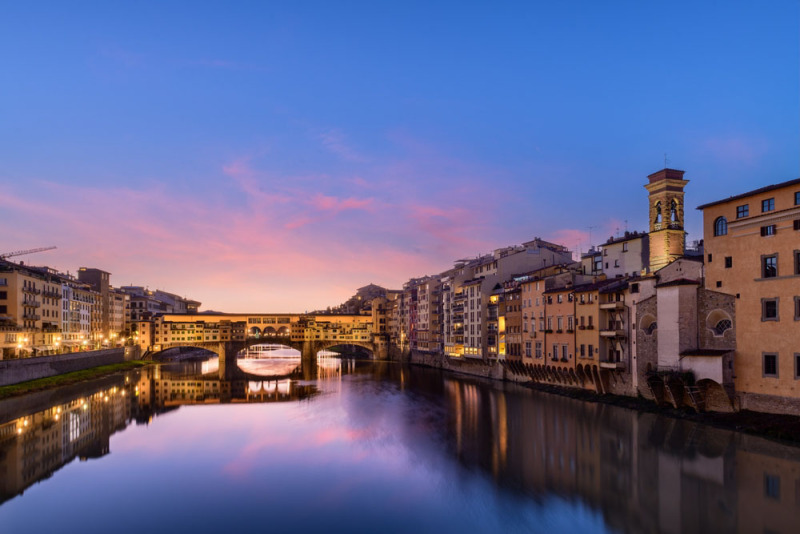
Tuscany enjoys a temperate climate with warm summers, mild winters, and sunlit springs and autumns. Coastal areas benefit from cooling breezes, while the interior hills remain comfortable for much of the year. This reliable weather invites year-round enjoyment of outdoor amenities, vineyards, and al fresco living, supporting both permanent residence and extended stays.
Our portfolio features a carefully selected range of prestigious villas, vineyard estates, and historic residences across Tuscany. Listings reflect a commitment to architectural integrity, privacy, and access to the region’s culture—ideal for those valuing both comfort and significance.

























 Dutch
Dutch  German
  Spanish
  French
  Arabic
  Chinese
  Russian
  Swedish
  Portuguese
  Polish
  Greek
Greek  Italian