Demand for exclusive rural estates in Vledder has risen steadily, particularly among buyers seeking privacy or weekend retreats. The region’s limited inventory of high-specification properties fosters a competitive climate, with sales often driven by word-of-mouth and private introductions. Traditional farmsteads and modern villas see most interest, especially for those seeking generous landholdings and proximity to national parks.
Prime addresses encircle the village core, where larger parcels back onto the Drents-Friese Wold National Park, a UNESCO biosphere reserve. Secluded lanes such as De Hoeve or Eese witness increased demand for estates blending heritage structures with contemporary expansions. Lakefront locations and traditional greenways present further appeal for buyers seeking exclusivity amid nature.

For those considering the Dutch countryside, Vledder represents a harmonious intersection of history, sustainability, and discretion. Buyers here are often drawn by the region’s serenity, complemented by a close-knit community and low development density. Many properties come with woodland, water features, or organic farmland, attracting interest from both domestic and international purchasers. Transaction volume tends to be moderate; buyers in this tier favor thorough due diligence, fostering a market where properties are sometimes quietly transferred off-market.
Acquisition procedures follow Dutch protocols: buyers engage in a bid process, secure notarial contracts, and complete transactions through regulated escrow. Increased regulatory attention to rural land and historic status buildings underscores the need for specialist counsel. The market attracts family trusts and wealth managers overseeing intergenerational holdings, with many buyers favoring structures that facilitate legacy planning.
Short- and medium-term rentals, especially characteristic farmhouses and woodland villas, draw professionals and families seeking decompression from urban life. Seasonal demand aligns with school holidays and summer months. Owners may leverage trusted property managers, with permits governed by local municipalities—we recommend thorough review of current guidelines and restrictions.
The village’s rarefied market calls for insight beyond public listings. Local advisors grant access to off-market estates, targeted intelligence on land values, and relationships with respected notaries and architects. Their experience facilitates discreet negotiations and ensures regulatory compliance, adding significant value at all stages from screening to completion.
Increasingly favored by entrepreneurs and creative professionals, Vledder benefits from reliable fiber-optic connectivity and proximity to regional hubs such as Assen and Groningen. The locality fosters boutique hospitality ventures, sustainable organic farming, and select luxury rental estates. Small-scale art galleries and cultural events attract niche tourism. While agricultural holdings support diversification, the prevailing investment allure remains residential, offering stable capital preservation and privacy. Strategic acquisitions, particularly of land with heritage status, appeal to family offices prioritizing long-term value and environmental stewardship.
Nestled within the well-governed structure of Drenthe province, Vledder benefits from the Netherlands’ robust legal and financial systems. Reliable infrastructure, efficient municipal services, and favorable transport links support further growth. The area thrives on sustainable development, complemented by Europe-wide interest in Dutch countryside escapes. Tourism provides seasonal economic contribution, while key sectors—agriculture, second homes, and culture—demonstrate enduring resilience.
Maintaining a luxury estate in Vledder is typically less costly compared to urban centers. Utilities are competitively priced, while access to local staff for groundskeeping or domestic assistance remains available, often at moderate rates. Dining reflects the region’s artisanal produce and farm-to-table movement, with outlets ranging from informal brasseries to fine-dining establishments. Ongoing property costs include municipal taxes, maintenance of outbuildings, and occasional heritage levies for listed houses.
Life here is shaped by tranquility, connection to nature, and a subtly cosmopolitan perspective. Residents engage in equestrian pursuits, sailing on nearby lakes, or cycling through national parks. The village hosts cultural heritage trails, private art showings, and select culinary festivals. Proximity to Groningen’s thriving art scene enables regular excursions, while neighbors prize privacy and community interaction in equal measure. Every facet of daily life is matched by a commitment to sustainability and authenticity.

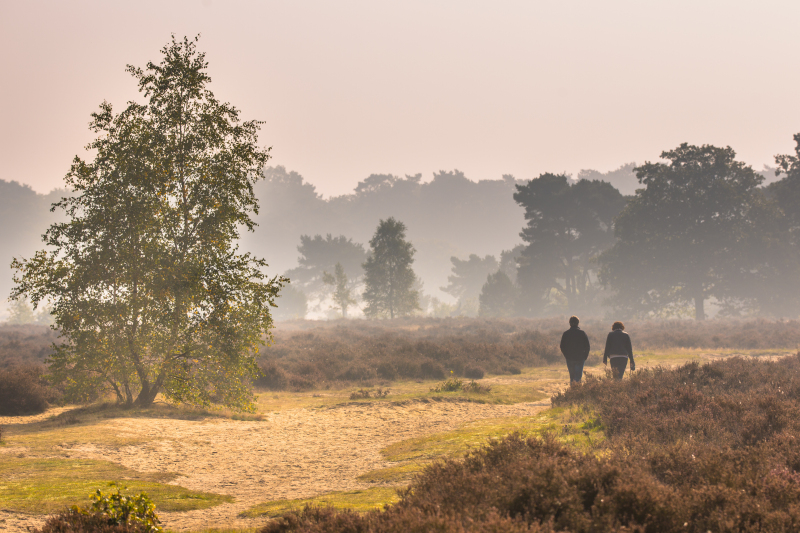
Vledder experiences a temperate maritime climate, marked by mild summers and cool winters. The region enjoys generous daylight from late spring through early autumn, making it ideal for outdoor pursuits nearly year-round. Autumn brings vibrant colors to local woodlands, while winter is typically mild with occasional frost, enhancing the appeal of countryside living in every season.
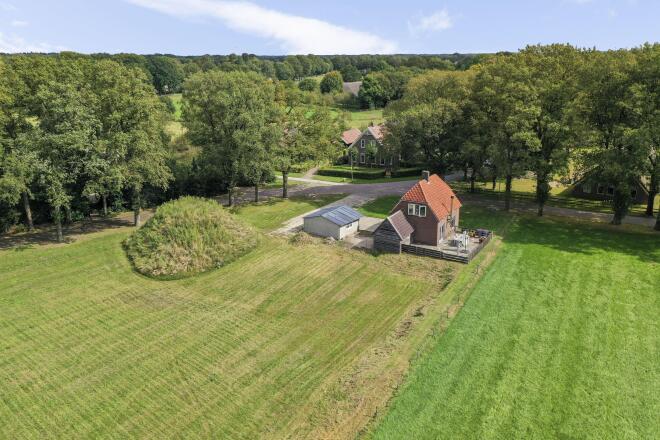
Every Vledder residence featured is selected for architectural merit, privacy, and the unique experience it offers. Our curated portfolio includes secluded manor houses, renovated country homes, and contemporary estates discreetly positioned within the area’s lush landscapes.
























 Dutch
Dutch  German
  Spanish
  French
  Arabic
  Chinese
  Russian
  Swedish
  Portuguese
  Polish
  Greek
Greek  Italian