The luxury property market in Diepenheim is characterized by limited supply and a discerning clientele prioritizing privacy, historical significance, and architectural integrity. Opportunities arise infrequently, driving sustained demand among domestic and international buyers. Transaction pace is typically measured; buyers seek one-of-a-kind assets, resulting in a stable market supported by heritage appeal and a strong conservation ethos.
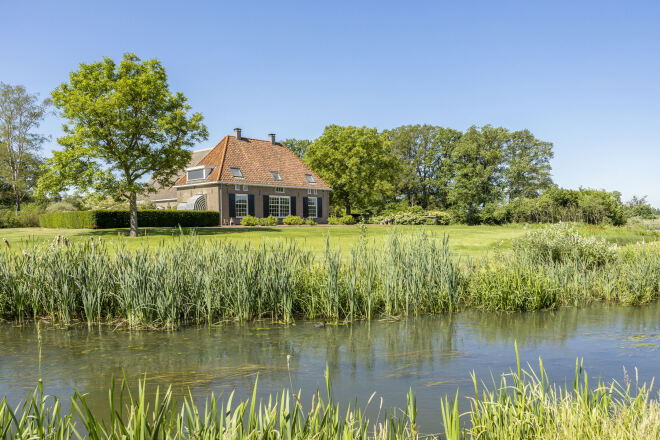
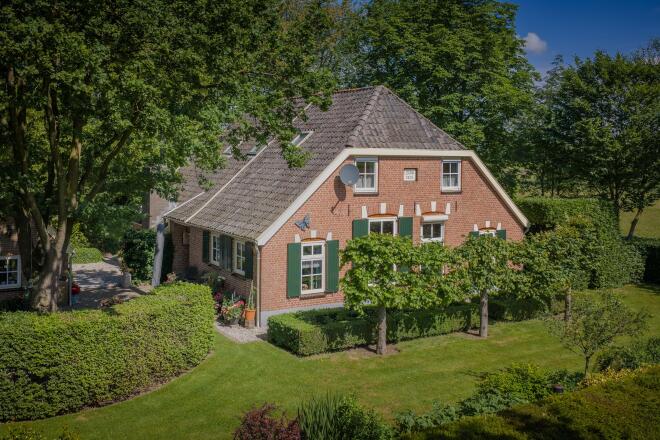
High-value residences cluster around the historic center and peripheral green belts, including estates along the Diepenheimse Molenbeek and around renowned castles such as Weldam and Nijenhuis. Village edges offer larger parcels with greater seclusion. Renovated monuments and listed farmhouses attract buyers with an appreciation for authenticity, while modernized manor outbuildings present discreet alternatives for those balancing comfort with heritage aesthetics.
Diepenheim offers buyers an exceptional setting defined by cultural richness, tranquility, and under-the-radar exclusivity. With its tapestry of gardens, forests, and historic estates, the area appeals to those desiring a private retreat with easy access to regional cities. Owners are typically drawn to large plots, period façades, and high-quality restorations—attributes reflecting the community’s appreciation for heritage conservation. Investment in Diepenheim is measured, with buyers often prioritizing legacy holdings or generational use over short-term resale. Local customs, low turnover, and a well-respected preservation tradition create a nuanced property environment where knowledge and patience are assets.
Acquiring a luxury property here typically involves direct negotiations, often through specialist agencies familiar with the region’s intricacies. Due diligence is essential: many homes carry protected status or heritage regulations affecting renovations. International buyers should engage advisory services for guidance on purchase structure, property transfer formalities, and the assessment of land use rights. The region’s reputation for discretion and close-knit community reinforces the importance of respectful engagement with established networks.
Short-term and seasonal leasing is less prevalent than elsewhere in the Netherlands, with rental opportunities largely limited to furnished historic homes during cultural events or seasonal retreats. Owners who choose to rent typically target the international corporate or creative market, aligning with Diepenheim’s artistic reputation. Ongoing maintenance of period features and landscaped grounds is expected, further endorsing the area’s commitment to quality and tradition.
Expert guidance is indispensable when buying or selling in a market noted for quiet exclusivity. Advisors unlock access to off-market listings and provenance-rich assets rarely seen by the broader public. Their negotiation acumen ensures discretion and favorable outcomes, while deep local relationships enable nuanced navigation of regulatory frameworks. With significant heritage elements at play, the right advisor secures not only the transaction, but the preservation of value and legacy.
While large-scale commercial activity is limited, Diepenheim is seeing select investment in boutique guesthouses, heritage hospitality, and cultural venues. The creative economy is reinforced by arts festivals, galleries, and performance spaces rooted within historic estates. The setting also appeals to remote professionals and those seeking work-life balance within a countryside locale. Opportunities for luxury rentals are linked to curated stays and exclusive artistic events, reinforcing the distinctive profile of the region’s investment landscape.
As part of the Netherlands, Diepenheim benefits from robust governance, a proven legal system, and solid infrastructure. The area’s steady growth is supported by the nation’s reliable transport links and forward-thinking heritage policies. Regular cultural programming draws visitors and enhances the town’s visibility, while a stable rural economy and emphasis on sustainability contribute to enduring value in the luxury property segment.
The cost of living in Diepenheim reflects its rural, high-quality lifestyle. Utilities are broadly in line with the Dutch average, with slightly higher expenses for heating and estate maintenance due to larger plots and period architecture. Private staff for estate management are available locally. Dining encompasses both village establishments and exclusive in-house catering. While services are discreet, access to nearby urban amenities ensures convenience without compromising the essence of rural living.
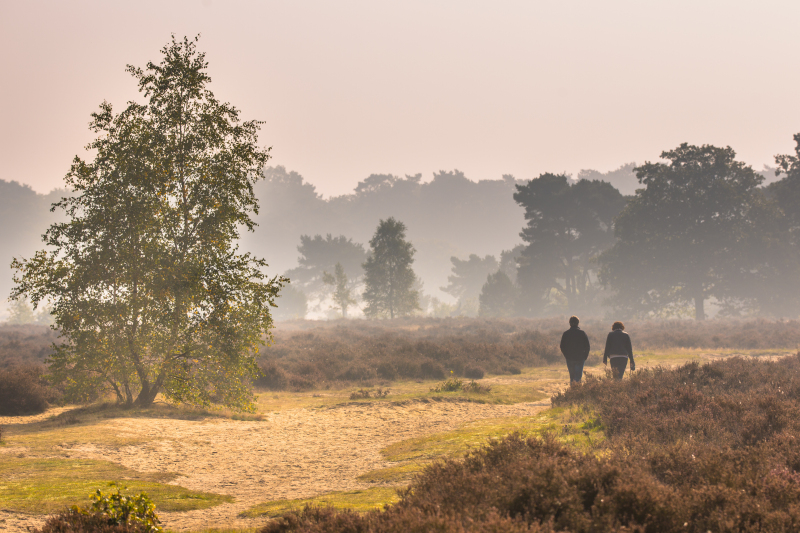
Life in Diepenheim is guided by a spirit of refined conviviality and understated sophistication. Residents enjoy proximity to art galleries, cultural festivals, and manor gardens uniquely open for private events. Outdoor recreation—from cycling through forests to equestrian pursuits on country estates—complements an active social calendar. Traditional crafts, wellness retreats, and farm-to-table gastronomy create a lifestyle that seamlessly blends heritage with contemporary luxury.
The area benefits from a temperate maritime climate, bringing gentle winters, cool summers, and moderate rainfall distributed throughout the year. This appealing weather supports lush landscapes and garden cultivation, while year-round liveability allows for extended enjoyment of outdoor amenities and cultural events in every season.
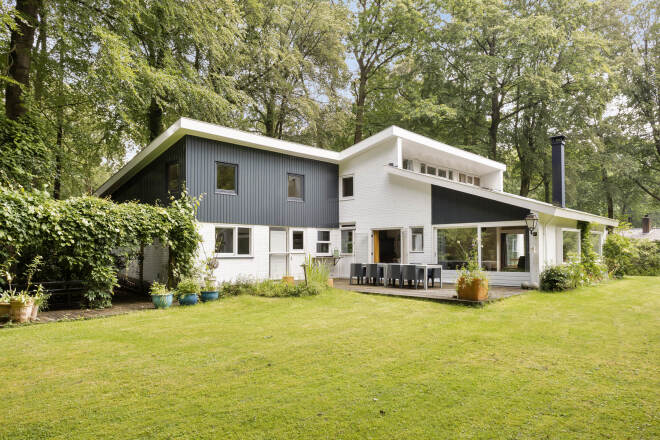
Discover a refined portfolio of hand-selected Diepenheim residences, set among lush parkland and mature woodlands. These listings reveal restored country houses, elegant manors, and bespoke villas, each embodying the unique character intrinsic to the region’s architectural legacy.