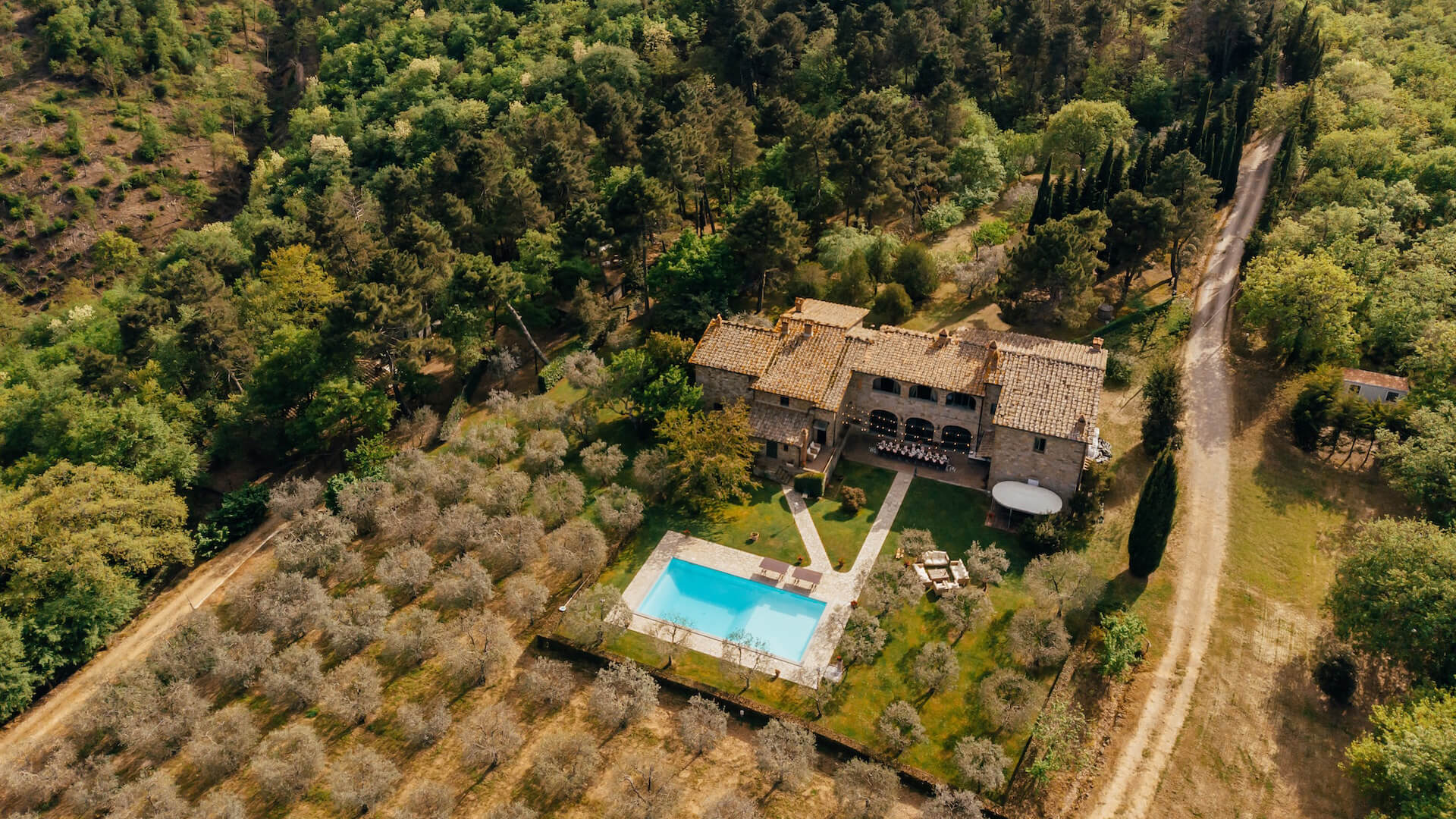

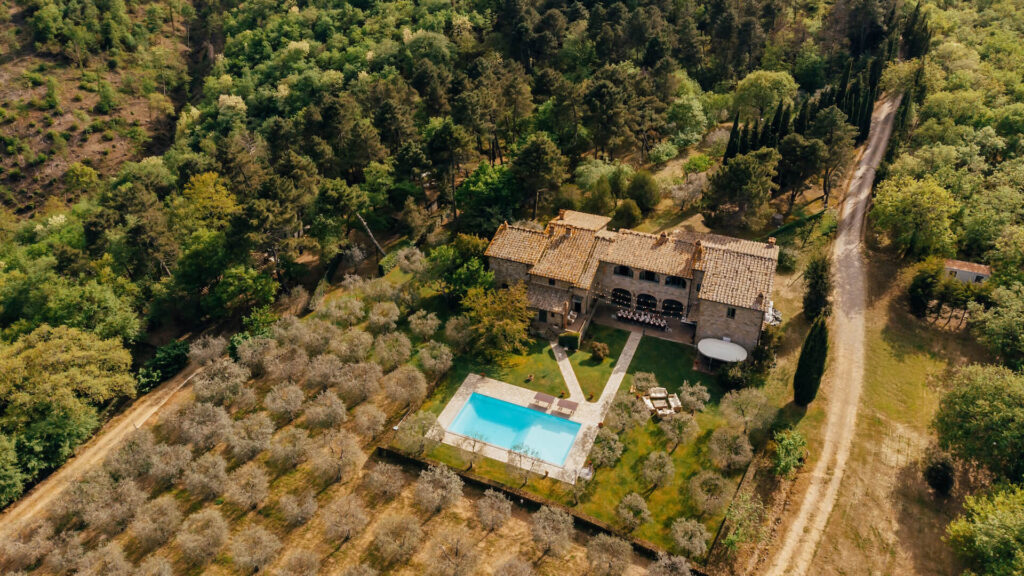
The prime residential market is beginning to price healthspan with the same seriousness it gives to address, architecture, scarcity and view. Across city residences, coastal villas and resort compounds, buyer scrutiny now reaches into the systems that determine how a property performs in daily ownership: air quality, water treatment, acoustic control, lighting strategy, service circulation, recovery space and future accessibility. Together, these systems are becoming part of how prime homes are assessed, priced and defended over time.
At the top end of the market, the conversation has become more technical and more personal. Owners are planning for longer holding periods, older parents, adult children, staff, visiting clinicians, work carried into the home and physical independence over time. A prime residence is expected to support these pressures while preserving architectural authority, privacy and ease of operation.
That creates a more demanding acquisition standard. The relevant question is how intelligently a property integrates health-related infrastructure into its plan, engineering, governance and maintenance. Air, water, sleep, access and recovery have become permanent residential considerations, especially for buyers treating property as part of a wider strategy for family continuity and long-term wellbeing.
The investment context reinforces the shift. According to the Global Wellness Institute, the global wellness economy reached $6.8 trillion in 2024 and is forecast to reach $9.8 trillion by 2029. Within that wider economy, wellness real estate has become one of the leading growth sectors. For prime residential buyers, this gives healthspan infrastructure commercial relevance rather than lifestyle decoration. At ownership level, air, water, sleep, access and recovery now sit inside serious acquisition analysis.
The premium begins inside the plan. A residence designed for longevity has to carry daily use with precision. It should support sleep, recovery, privacy, family life, work, staff movement, entertaining, quiet routines, and future mobility with equal discipline.
This places pressure on the invisible parts of a residence. Plant rooms, filtration systems, risers, ventilation strategy, equipment access, service corridors, acoustic build-up, bathroom geometry, bedroom placement, and light control all become part of the value story. In older luxury language, these elements lived behind the scenes. In the current prime market, they are part of due diligence.
A well-composed longevity residence gives the household clean air, stable temperatures, controlled humidity, easy movement, restorative silence, practical staff logic, and private wellness space. The strongest result feels calm because the technical complexity has been resolved before the owner encounters it.
This is where luxury becomes measurable. Marble, bronze, oak, stone, glass, and linen still matter when selected with intelligence. Their authority depends on the atmosphere they help sustain. Air quality, lighting rhythm, thermal stability, and the ease of movement through a house now influence whether a property feels truly finished.
The home carries greater responsibility for physical wellbeing because people spend so much of life indoors. The U.S. Environmental Protection Agency states that Americans spend around 90% of their time indoors, where concentrations of some pollutants are often two to five times higher than typical outdoor levels.
For luxury buyers, this places air quality at the centre of residential intelligence. A prime property with advanced filtration, proper fresh-air exchange, humidity control, low-emission materials, well-placed mechanical systems, and serviceable plant rooms offers a form of comfort that becomes apparent every day. It also offers resilience in dense cities, wildfire-prone regions, humid coastal markets, dry mountain climates, and heavily seasonal resort destinations.
Water quality carries similar importance. Filtration, pipework, pressure stability, pool systems, irrigation, drainage, and storage capacity shape the way a household functions. These details rarely appear in glossy property descriptions, yet they influence the lived experience with remarkable consistency.
Light adds the next layer. Natural orientation, glare control, shaded terraces, bedroom darkness, circadian lighting, and evening warmth affect sleep, concentration, mood, and recovery. A residence designed around light discipline gives the body cues across the day. The result feels composed, grounded, and quietly precise.
Silence completes the environmental quartet. Acoustic comfort has become a prime-market asset because attention has become expensive. Glazing, insulation, flooring, equipment placement, landscape buffering, room separation, and staff circulation all determine whether a home restores energy or consumes it.
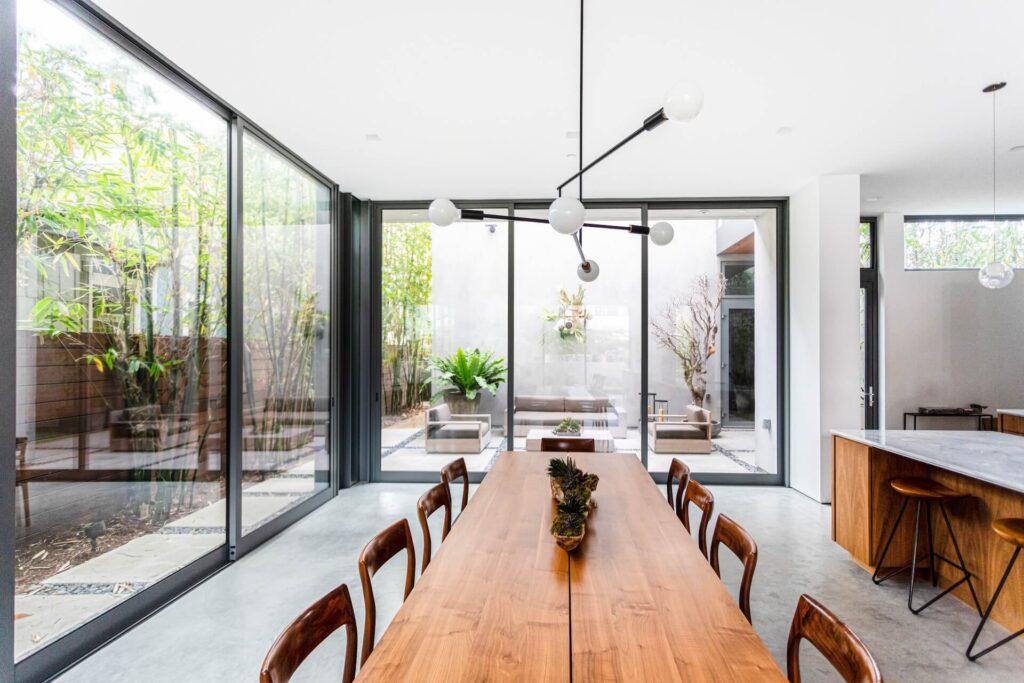
The best luxury homes have always dealt with time. In some cases, durability begins with land scarcity. In others, it comes through architectural authorship. Beyond that, cultural relevance, views, gardens and urban position add further layers of resilience.
This is especially relevant for families buying primary homes, legacy villas, lake estates, Alpine residences, branded apartments, and seasonal compounds. These buyers often need one property to support several lives at once. Young children, adult guests, older relatives, household staff, private chefs, trainers, visiting clinicians, security teams, and business routines may all occupy the same estate in different rhythms.
A longevity-led plan handles that complexity with ease. Principal suites sit in positions that allow privacy and future accessibility. Secondary suites carry enough independence for family or guests. Staff areas connect properly to kitchens, laundry, storage, service entrances, and wellness spaces. Exterior routes feel safe in day and evening conditions. Terraces support shade, privacy, and circulation. Lift access feels native to the architecture.
Aging-ready design has particular importance. Eurostat estimates that 22.0% of the EU population was aged 65 and over on January 1, 2025, while projections place the share of people aged 65 and over at 32.5% by 2100. The same source places the EU median age at 44.9 years in 2025.
That demographic reality changes the meaning of a prime home. Owners want independence, dignity, and continuity. They want homes that can absorb future needs while retaining beauty. Wide circulation, level thresholds, lift readiness, safe bathing, discreet treatment rooms, shaded walking routes, good bedroom distribution, and intelligent lighting will carry greater influence in acquisition decisions.
A generation ago, many buyers focused first on arrival sequence, entrance volume, views, pool setting, entertaining space, and finishes. Those elements still matter. Serious acquisition now also studies the mechanical strategy with equal attention.
This creates a sharper assessment process. The technical room reveals whether the property has substance. It shows how air is treated, how temperature is controlled, how humidity is managed, how systems can be serviced, and how easily the residence can adapt. A beautiful house with weak infrastructure becomes expensive to own and harder to protect.
Coastal homes place real pressure on mechanical systems through salt, humidity, heat, and heavy summer occupancy. Alpine residences require close attention to thermal performance, air exchange, snow access, spa ventilation, and seasonal maintenance. Dense city properties depend on filtered air, acoustic treatment, secure entry, lift privacy, and building governance. Countryside estates bring water resilience, heating strategy, staff accommodation, and emergency access into the asset profile.
This is why longevity real estate belongs inside serious acquisition analysis. It makes buyers study the parts of a home that determine lived quality after the first impression has passed. A property with robust infrastructure earns trust through use, then reveals its value over years.
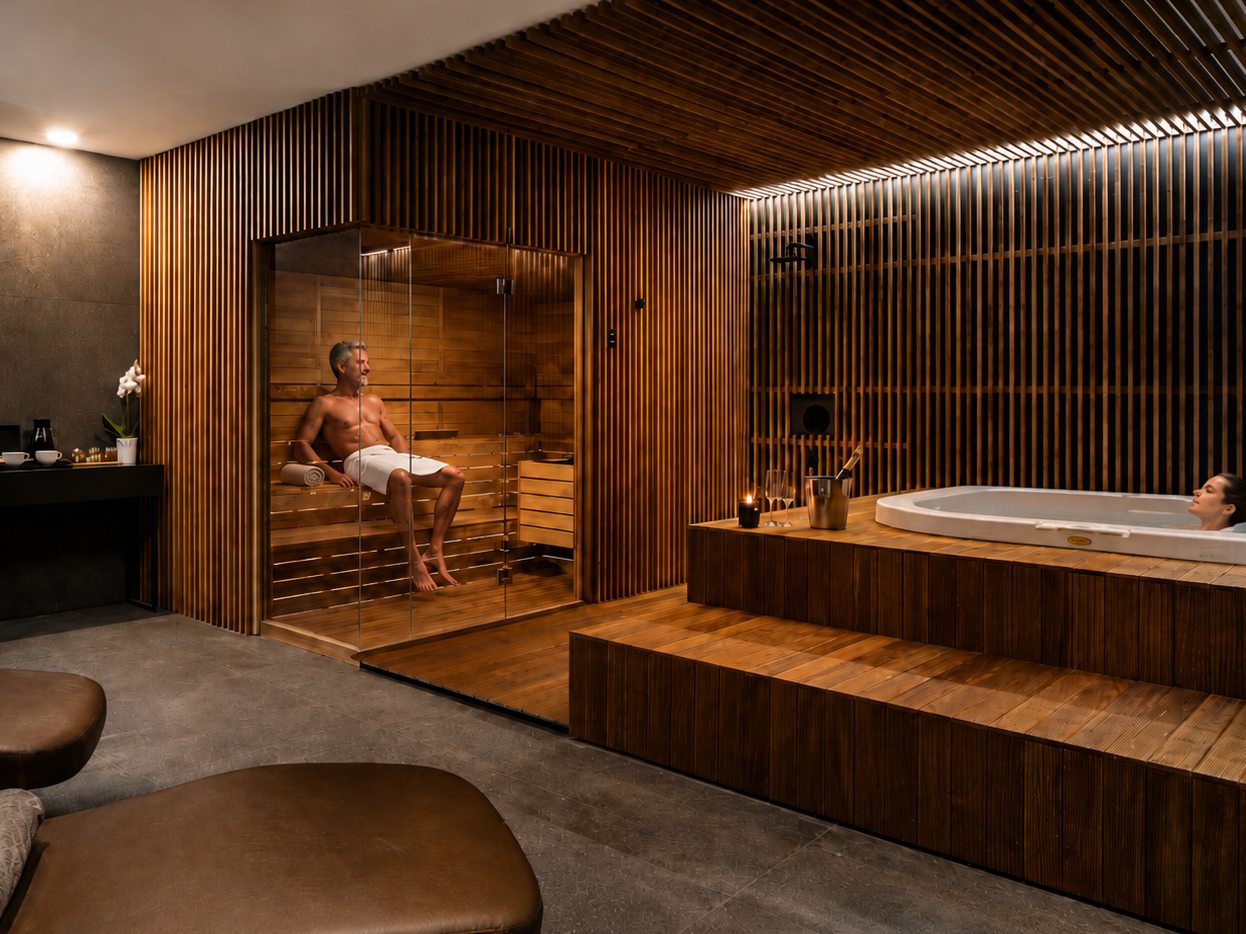
Private wellness areas have become common in prime homes. The stronger question concerns quality of planning. A sauna, hammam, plunge pool, gym, treatment room, pilates studio, meditation room, or recovery suite gains value when it functions with privacy, hygiene, ventilation, storage, water access, acoustic separation, and staff readiness.
The best wellness zones operate as calm back-of-house systems with refined front-of-house expression. Towels, products, equipment, cleaning, laundry, technician access, and treatment preparation all need a route. The owner should encounter ease rather than logistical friction.
Medical and preventive health services add another layer. As residences and private communities integrate diagnostics, physiotherapy, nutrition, sleep support, and recovery programming, buyer scrutiny will intensify. The operator matters. Governance matters. Privacy matters. Maintenance matters. Service continuity matters.
A credible wellness environment requires an infrastructure of discretion: secure data handling, private access, trained staff, clear scheduling, quiet waiting areas, clean storage, and protocols that respect the household. The luxury sits in competence.
The World Health Organization’s housing and health guidelines connect housing conditions with indoor temperatures, injury hazards, accessibility, water quality, air quality, neighbourhood noise, asbestos, lead, tobacco smoke, and radon. This wider health frame gives longevity-led residential design a serious policy and public-health foundation.
European prime markets have a natural advantage in this category because many of their strongest destinations already support long-duration wellbeing. Climate, walkability, landscape access, culinary culture, private healthcare, slower density, cultural depth, and multigenerational patterns can all reinforce the longevity value story.
On the Côte d’Azur, the longevity premium is often tied to outdoor living, healthcare access, privacy, sea air, garden maturity, and established service networks. Across the Balearics, the same logic takes a lighter form through climate, outdoor rooms, water systems, and discreet retreat value. Tuscany brings a slower but equally durable proposition, shaped by land, food culture, restoration, quiet, and family-scale estates. Further north, the Swiss Alps strengthen the longevity case through clean air, thermal comfort, winter recovery, security, and operational precision. In Marbella and the Algarve, climate, clinical proximity, sports culture, outdoor living, and gated privacy give the category a more active, year-round expression.
Each market needs its own interpretation. A longevity residence on Lake Geneva should express control, discretion, climate performance, security, and lake-facing calm. A villa above the Mediterranean should address heat, glare, humidity, shade, landscape, and seasonal staff intensity. A city penthouse should prioritise filtered air, lift privacy, acoustic depth, secure access, and building-level service.
This gives advisers a wider role. The right acquisition process reads the home as a living system. It studies title, price history, zoning, views, architecture, and finishes. It also studies ventilation, access, plant space, future adaptability, staffing, wellness credibility, building governance, and maintenance exposure.
The first test is air. Ask how fresh air enters the residence, how filtration is handled, how humidity is controlled, how systems perform in peak season, and how maintenance occurs. The answer should be specific, documented, and suitable for the climate.
The second test is water. Assess filtration, water pressure, pipe quality, drainage, irrigation, pool treatment, water storage, and service access. In markets with heat or seasonal pressure, water resilience deserves early attention.
The third test is movement. The residence should allow easy circulation across daily life. Lift access, bedroom distribution, bathroom geometry, hallway width, exterior thresholds, night routes, and staff separation all influence long-term usability.
The fourth test is sleep. Review bedroom orientation, acoustic separation, blackout capacity, ventilation, thermal stability, and lighting control. A property that protects sleep protects value.
The fifth test is recovery. Gym placement, spa ventilation, treatment privacy, plunge systems, outdoor routes, shaded terraces, and quiet rooms should form a coherent recovery environment.
The sixth test is service. The home should support the people who make it work. Staff accommodation, laundry routes, food preparation, storage, deliveries, waste, maintenance access, and technical rooms determine whether the residence operates gracefully.
The seventh test is adaptability. A future-ready home gives owners options. Flexible suites, risers, plant capacity, lift readiness, structural generosity, and calm circulation allow the property to absorb changing household needs.
The next stage of luxury property value will be defined by greater due diligence. Buyers will still care about views, rarity, architecture, materials, and location. They will also care about whether the home protects their body, time, privacy, and independence.
This gives longevity real estate its strategic force. It connects demographic change, wellness-sector expansion, indoor health evidence, climate awareness, and the changing expectations of global wealth. It also rewards homes with substance over homes with fashionable amenities.
The strongest properties will feel effortless because the difficult work has already happened. Air will be clean. Water will be reliable. Movement will be easy. Sleep will be protected. Staff will operate discreetly. Wellness space will serve real recovery. Future needs will have been anticipated inside the architecture.
For high-net-worth buyers, this changes the acquisition question. The issue becomes how well a property will support life across decades. The answer lives in the plan, the systems, the site, the operator, and the way the residence handles time.
Private brief available for qualified buyers assessing future-ready prime residences.
Longevity real estate is prime residential property designed to support long-term health, independence, recovery, and daily performance. It includes air and water systems, acoustic comfort, lighting, aging-ready layouts, privacy, service logic, and credible wellness infrastructure.
Luxury buyers are placing greater value on homes that protect healthspan, privacy, family continuity, and future adaptability. A residence with strong environmental systems and aging-ready planning can remain relevant across decades of ownership.
The strongest features include advanced air filtration, fresh-air exchange, water filtration, stable humidity, acoustic insulation, circadian lighting, lift access, level thresholds, flexible suites, safe bathrooms, shaded exterior routes, and properly serviced wellness space.
Aging-ready design increases practical longevity. It allows owners to remain comfortable as physical needs change, while also supporting older relatives, long-stay guests, and multigenerational living. In a well-designed residence, these features sit quietly inside the architecture.
Buyers should ask for evidence. Strong claims are supported by technical documentation, operator credentials, maintenance plans, privacy protocols, service access, and clear governance. The value sits in performance, upkeep, and daily usability.

























 Dutch
Dutch  German
  Spanish
  French
  Arabic
  Chinese
  Russian
  Swedish
  Portuguese
  Polish
  Greek
Greek  Italian