


What makes a property worth its price?
Architecture, scarcity and location establish its immediate appeal. For you as an internationally mobile buyer, however, long-term value is also shaped by the jurisdiction surrounding the address. Tax residence, immigration rights, political stability, currency exposure and the depth of the eventual resale market can strengthen your acquisition or quietly work against it for years.
A residence can be exceptional as real estate and inefficient as an ownership decision. Favourable taxation may apply to your salary while offering little benefit when your income comes through dividends, gains or company distributions. A property may secure residence for you in one capital and carry no immigration value in another. Likewise, an asset can appreciate on paper while remaining difficult to sell at the price level at which you acquired it.
This is where the comparison between European capital cities becomes useful. Each capital supports your wealth differently. Some protect it through stable institutions, restricted supply and currency strength. Others offer you a clearer route to residence, a more efficient treatment of foreign income or a deeper market when the time comes to sell.
The distinction is rarely visible during a viewing. It appears in the years that follow, through your cost of holding the property, the ease of living around it and the number of credible options available when your family circumstances change.
Accordingly, the strongest acquisition is seldom defined by the property alone. It is defined by the relationship between the residence, the jurisdiction and the life you intend to establish there.
Tax efficiency, residence access, personal safety, quality of life and real-estate performance each carry equal weight in this comparison.
Tax efficiency concerns the income you actually receive, including salary, dividends, capital gains, trusts, company distributions and inherited wealth. Residence access considers the legal route available to you and your family, together with any connection between that status and the property itself.
Personal safety extends to political continuity, legal reliability, privacy and confidence in the institutions surrounding your ownership. Quality of life covers healthcare, education, aviation, culture and the practical management of your international household. Finally, real-estate performance considers supply, price direction, financing, carrying costs and the breadth of your future buyer pool.
These conditions rarely align perfectly. A low headline tax rate may offer you little advantage when it does not apply to the income your family receives. A rare home may preserve your capital while taking years to sell. A city with weaker recent price growth may still provide you with the more dependable exit because its buyer pool is deeper.
The order below follows the overall scores established through those five measures. Each capital is considered as a complete ownership proposition, with its advantages and liabilities held in the same frame.
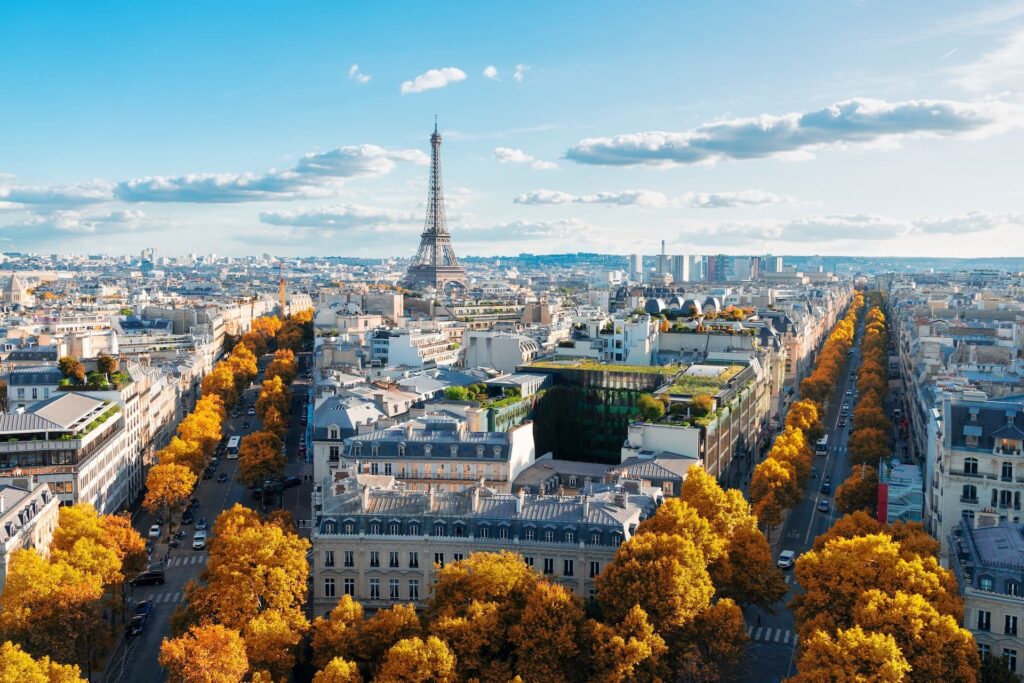
Overall score: 10/25
Paris earns one of the strongest quality-of-life assessments in the comparison. Its museums, universities, schools, healthcare, transport and position within the art, fashion and luxury industries continue to give the city a relevance that extends beyond property.
For many buyers, that relevance is personal. A Paris residence may anchor collecting, education, business relationships and family history in one place. Even so, the ownership structure requires careful preparation.
France applies real-estate wealth tax to qualifying net property assets above €1.3 million. For residents, worldwide real estate may enter the calculation; for non-residents, the exposure generally concerns French property, subject to treaties and ownership structures. Succession can add another layer, particularly where family members, companies or trusts cross several jurisdictions.
Residence must also be secured independently. France offers routes through employment, talent, entrepreneurship and genuine economic contribution, while the purchase of an apartment creates no automatic immigration right.
The residential market recovers part of the score. Prime Paris has passed through a prolonged correction, and its finest homes remain governed by genuine scarcity. A protected outlook, usable terrace, lift, parking, strong ceiling height and an internationally workable plan can preserve demand through different market cycles. The arrondissement provides the context. The building, floor and configuration determine the depth of the resale market.
Security and privacy are equally property-specific. For a prominent household, discreet access, controlled common areas and the relationship between the residence and the street may carry more weight than a celebrated postcode.
Paris reaches 10/25 through exceptional cultural value and trophy-property scarcity, offset by high fiscal exposure, no passive property residence and limited income return. It remains coherent when collecting, the luxury industries or long-term cultural continuity sit at the centre of the brief.
London carries a similar fiscal burden. Its advantage lies in the breadth of the financial, legal and advisory infrastructure surrounding the home.
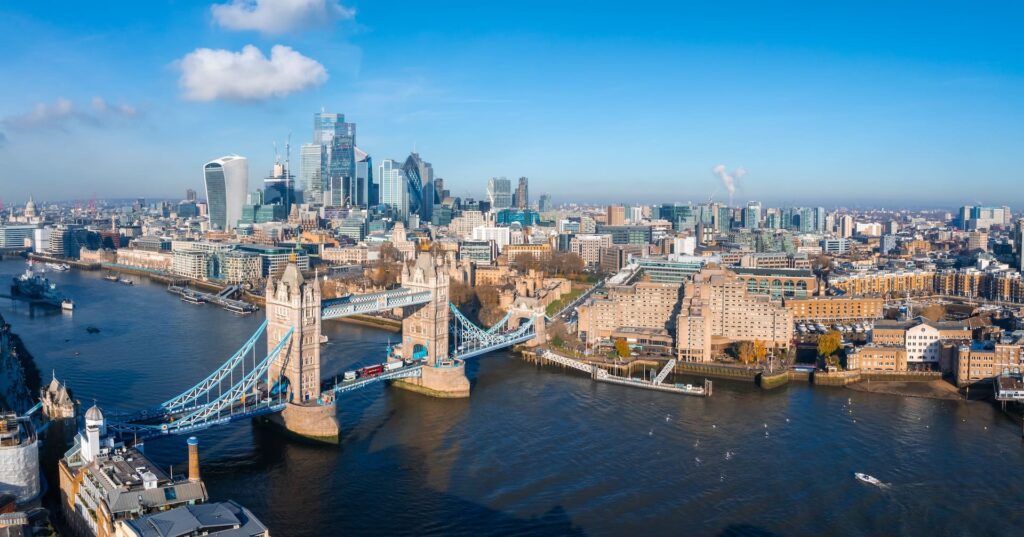
Overall score: 12/25
London remains Europe’s most complete private-capital environment.
Private banking, specialist law, insurance, private equity, art, international education and aviation finance operate within one city. For a family with complex commercial interests, that ecosystem can produce value well beyond the annual performance of the property.
The tax proposition now has a defined horizon. Qualifying new residents can claim relief on eligible foreign income and gains during their first four UK tax years, provided they meet the prior non-residence conditions. Once that period ends, worldwide taxation becomes central to the decision.
Residence must also follow a separate legal route. The former passive investor visa remains closed, leaving employment, talent, business, study and family pathways as the principal options. Buying the home supports the life of the resident, but it does not create the status.
Meanwhile, the property market offers depth rather than recent momentum. Prime values declined during 2025 and remain below earlier peaks in real terms. That correction may improve the entry point, particularly when capital is held in dollars or euros. Acquisition taxes and annual carrying costs still require close modelling.
At exit, however, London retains a considerable advantage. Comparable transactions are extensive, financing is sophisticated and the potential buyer pool reaches across Europe, the Middle East, Asia and the Americas. In practice, that depth can prove more valuable than faster paper growth in a smaller capital.
London’s 12/25 reflects exceptional quality of life, institutional strength and resale liquidity, weighed down by high long-term taxation, the absence of passive investor residence and weak recent price performance. It remains highly effective when commercial interests, family requirements and a defined period of residence justify the cost.
Berlin offers less international infrastructure, yet its housing market is supported by a deep domestic shortage.
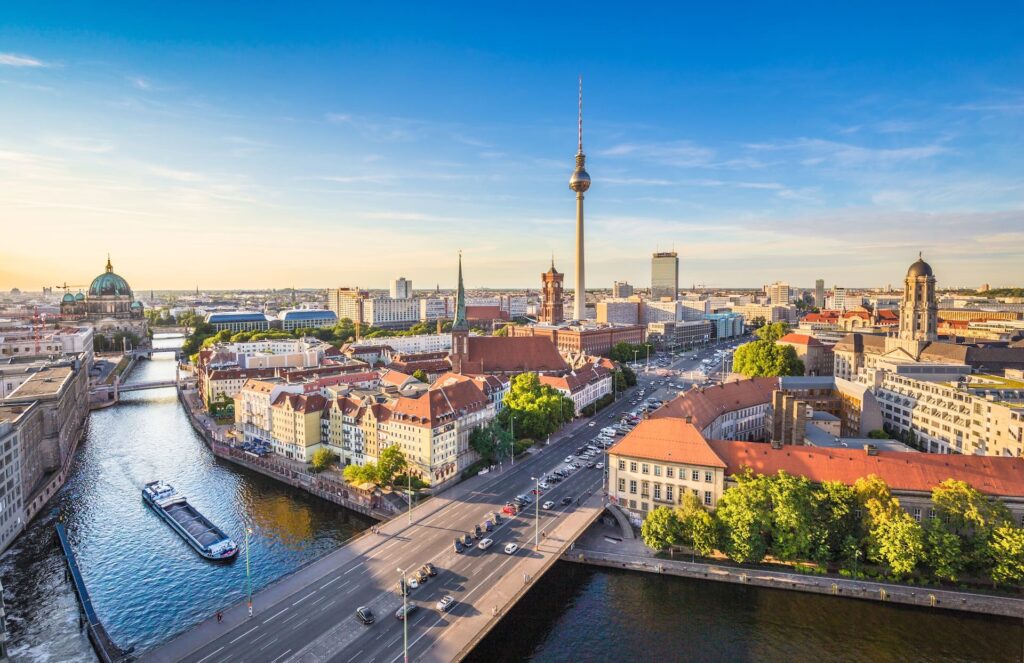
Overall score: 14/25
Berlin’s residential case begins with a structural lack of supply.
Planning is slow, construction is expensive and well-renovated stock with efficient heating, insulation and services remains difficult to reproduce. Federal government, universities, technology companies and cultural institutions provide broad domestic demand, giving the city a more durable residential base than its lower overall ranking might suggest.
Germany also scores well for institutional security. Property rights, courts, healthcare and education support long-term family residence. Nevertheless, Berlin’s administrative processes can be slow, and the housing shortage affects the practical ease of settling in the city.
Taxation exerts considerable downward pressure. Germany’s top income-tax rate reaches 45 per cent, with the solidarity surcharge potentially adding to the burden. Residence for a non-EU buyer generally follows employment, entrepreneurship, study or family connection. Property ownership creates no passive immigration route.
Real estate adds another tension. Prime prices recovered during 2025 after the interest-rate correction, and the shortage continues to protect demand. Yet tenant protections, rent regulation and energy-compliance obligations can absorb part of the return created by scarcity.
For that reason, the technical condition of the building deserves the same attention as its architecture. Older stock may carry substantial future costs relating to common areas, heating systems, energy performance and deferred maintenance. A visually resolved apartment can still sit inside an unresolved building.
The strongest Berlin acquisitions tend to have a rational plan, completed technical upgrades and relevance to local as well as international buyers. Highly individual property can be appealing, but conventional quality usually produces a broader exit.
Berlin reaches 14/25 through safety, institutional quality and persistent housing demand. High taxation, regulatory intervention and the absence of passive residence prevent those strengths from carrying the city higher.
Belgrade turns that equation around, offering lower entry prices and greater development momentum alongside a larger institutional margin of risk.
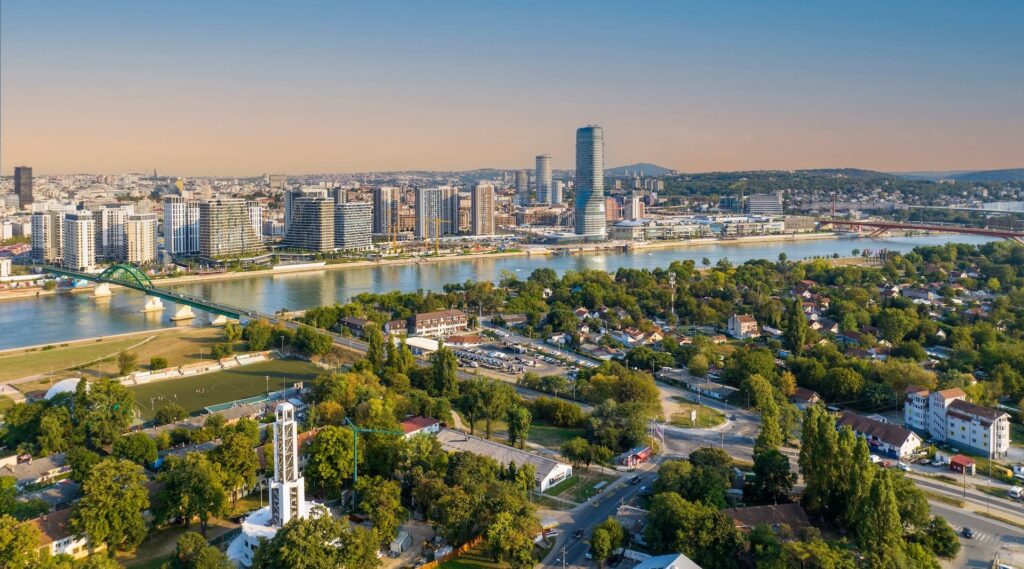
Overall score: 15/25
Belgrade offers the broadest range of possible outcomes in the ranking.
Its modern residential districts, regional business community and expanding hospitality sector support an increasingly credible role as an operating base for the Western Balkans. For an entrepreneurial buyer, that economic context may be more relevant than citywide residential statistics.
Taxation contributes positively, although Serbia should not be reduced to a single low rate. Employment income is generally taxed at 10 per cent, capital gains at 15 per cent and other income categories can receive different treatment. High earners may also incur supplementary annual income tax. The effective result depends on whether income arrives through salary, business profits, distributions or gains.
Residence can be supported by property ownership or substantive business activity in certain circumstances. Its mobility value is more limited because Serbia remains outside the EU and Schengen area. A residence permit can support life in Belgrade without producing the wider European rights available in Croatia, Bulgaria or Romania.
Personal security in the established prime districts can support comfortable daily life. Even so, institutional risk remains higher than in EU capitals. Legal enforcement, political direction, currency exposure and Serbia’s relationship with the European Union belong in the ownership assessment.
The prime market is also concentrated. Belgrade Waterfront, Savski Venac, Vračar, Dedinje and Senjak trade within a different market from the wider city. Selected waterfront transactions have exceeded €10,000 per square metre, although those figures belong to particular developments.
Exit concentration remains the principal exposure. A multimillion-euro apartment or highly individual villa may depend on a small pool of domestic, diaspora and regional buyers. Financing, title and resale comparables should therefore be established early.
Belgrade’s 15/25 recognises favourable entry pricing, comparatively moderate taxation, accessible residence and development-led growth. Its non-EU status, narrower liquidity and greater institutional risk place a clear ceiling on the score.
Amsterdam offers the counterpoint: mature institutions, established liquidity and few advantages for passive private wealth.
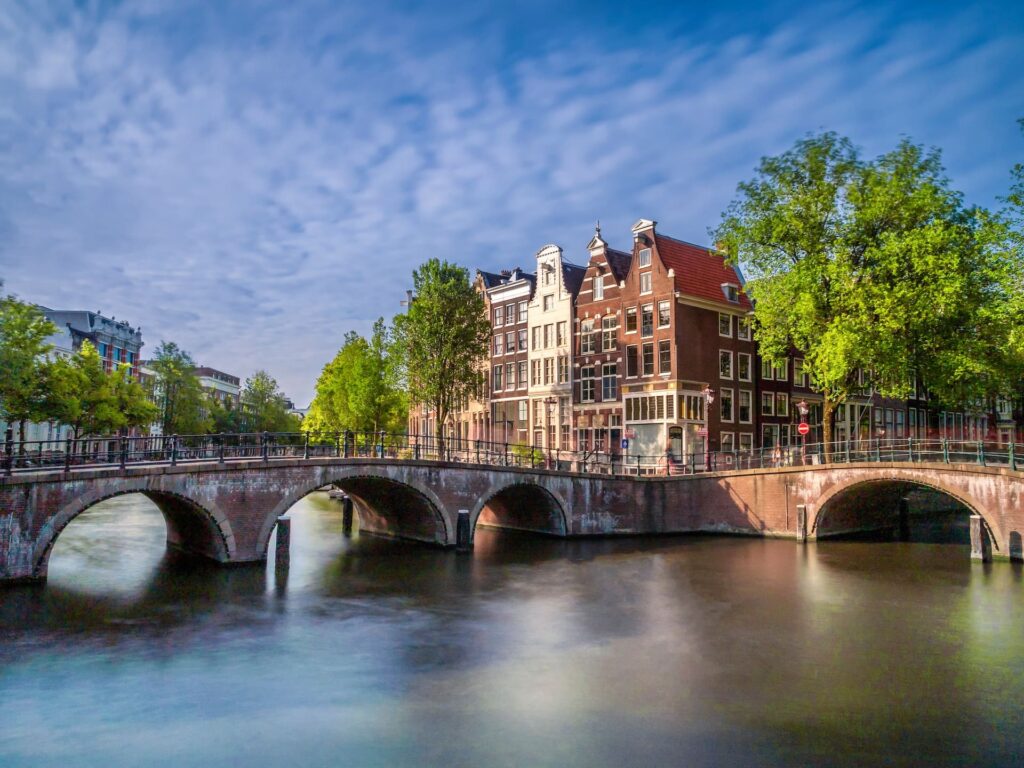
Overall score: 16/25
Amsterdam provides an unusually complete environment for an internationally employed family.
Healthcare, education, Schiphol, public transport, technology, private equity, art and the Dutch maritime sector give the city an economic reach beyond its physical scale. Daily life is orderly, connected and supported by dependable institutions, which places Amsterdam among the stronger capitals for safety and quality of life.
Residence, however, is built around substantive participation in the economy. Skilled employment, entrepreneurship and certain treaty-based routes can provide a legal basis for living in the Netherlands. Buying property carries no independent immigration value.
Taxation limits the wider private-wealth case. Employment income, substantial shareholdings and investment wealth are treated through separate tax boxes. The 30 per cent facility can benefit qualifying foreign employees for a limited period, but it remains an employment measure. Passive income and family investment assets sit outside that simple narrative.
At the same time, the city’s housing shortage supports values and drives regulation. Restricted construction, high development costs and international demand keep quality stock scarce. Rental controls and affordability policy reduce flexibility for owners, while the treatment of investment wealth continues to evolve.
Recent appreciation has also slowed. That does not indicate a weak city, but it raises the standard for the individual acquisition. A high entry price should be supported by location, building condition, layout and a resale audience extending beyond the expatriate market.
Amsterdam reaches 16/25 through institutional strength, safety, connectivity and mainstream liquidity. High taxation, no passive investor residence and substantial housing intervention restrain its appeal when fiscal efficiency is a priority.
Madrid arrives at the same overall score through a more property-led proposition and a stronger recent growth cycle.

Overall score: 16/25
Madrid earns one of the strongest quality-of-life assessments in the ranking.
Healthcare, international schools, culture, aviation and a climate suited to year-round use support permanent family residence. Prime districts also provide the privacy, staffing and service infrastructure expected by an internationally mobile household.
The tax position depends heavily on the nature of the buyer’s activity. The Beckham regime can assist qualifying incoming employees, executives and entrepreneurs. For a family holding substantial passive wealth, Spanish wealth taxation, the solidarity levy and worldwide reporting can materially change the outcome.
Residence access also weakened in April 2025, when Spain closed its investor-visa provisions. A new property purchase no longer creates an immigration route. Residence must now follow employment, entrepreneurship, family connection or another eligible basis.
Property carries much of Madrid’s score. Prime prices rose by approximately 5 per cent in 2025 and by close to 30 per cent over five years. Domestic wealth, Latin American families, European relocators and private-equity activity provide several independent sources of demand. That diversity supports exit liquidity and reduces reliance on one foreign-buyer cycle.
Even so, district choice remains decisive. Salamanca and Recoletos offer walkability and established international resale. El Viso provides privacy and larger homes. La Moraleja serves families prioritising land, schools and controlled access.
Branded residences deserve particular discipline. Service, security and ease of ownership may justify a premium, but that premium should be tested against conventional prime stock and future resale evidence.
Madrid’s 16/25 combines exceptional daily life, broad demand and strong residential performance with weaker tax efficiency and the loss of property-led residence. It remains one of the most persuasive pure property markets in the ranking.
Sofia rises above it because taxation and European mobility carry greater weight in the overall score.

Overall score: 17/25
Sofia’s tax proposition is unusually direct.
Bulgaria applies a 10 per cent headline rate to personal income and a 10 per cent corporate rate, subject to income character, exemptions and social-security contributions. Capital gains are generally taxed at the same broad rate, with exemptions available for qualifying transactions.
Residence has also gained value. Bulgaria became a full Schengen participant on 1 January 2025 and adopted the euro on 1 January 2026. For a euro-denominated family, the city now offers a low-tax EU base without domestic currency exposure.
Quality of life is credible, although less complete than in Amsterdam, Madrid or London. Sofia offers private healthcare, technology talent, lower household operating costs and direct access to Vitosha Mountain. Public infrastructure, international-school breadth and private-banking depth remain less developed.
The residential thesis is based on convergence. Limited high-quality supply, rising wages, mortgage demand and anticipation of euro adoption supported rapid appreciation during 2025. However, that momentum also raises the risk of paying today for an institutional improvement the market has already recognised.
The upper end remains relatively young. A prime home should appeal to established Bulgarian wealth as well as international buyers, particularly once the price rises beyond conventional local demand.
Sofia reaches 17/25 through low taxation, euro-area membership, Schengen mobility and positive property momentum. A thinner luxury ecosystem, uneven infrastructure and a smaller high-value resale market prevent it from moving further up the ranking.
Rome achieves the same total by serving a narrower and significantly wealthier foreign-income profile.

Overall score: 17/25
Rome’s relevance begins outside the property.
Italy’s new-resident regime allows qualifying entrants from 2026 to pay an annual substitute tax of €300,000 on covered foreign income, with €50,000 for each qualifying family member included. Eligibility generally requires non-residence in Italy for nine of the previous ten years.
At €5 million of covered foreign income, the fixed charge represents a simplified ratio of 6 per cent. At €20 million, it represents 1.5 per cent. For the right profile, that difference can alter the economics of the entire relocation.
Residence also contributes positively. Italy’s investor visa provides qualifying non-EU applicants with a route through government bonds, investment in an Italian company, investment in an innovative start-up or an eligible philanthropic contribution. The visa investment and the home remain separate parts of the same plan.
Quality of life is one of Rome’s strongest parameters. Culture, education, private healthcare, an established international community and access to Italy’s art, hospitality and luxury industries support long-term family residence. Daily administration, traffic and the condition of historic buildings require more patience than in Bern or Amsterdam.
The property market is stable rather than fast-growing. Terraces, protected views, parking, modern services and clean planning histories separate internationally liquid homes from compromised stock nearby. Structural defects, unauthorised work and common-area liabilities can overwhelm an attractive purchase price.
Security is similarly local. Controlled access, staffing, discreet arrival and the relationship between the residence and the street should be tested in use, rather than inferred from the district name.
Rome reaches 17/25 because its tax and residence framework can be highly effective for a qualifying UHNW family, supported by exceptional cultural value. Moderate property growth, variable building quality and a less predictable daily operating environment restrain the total.
Bucharest lowers the entry price, although its familiar tax narrative has become less straightforward.
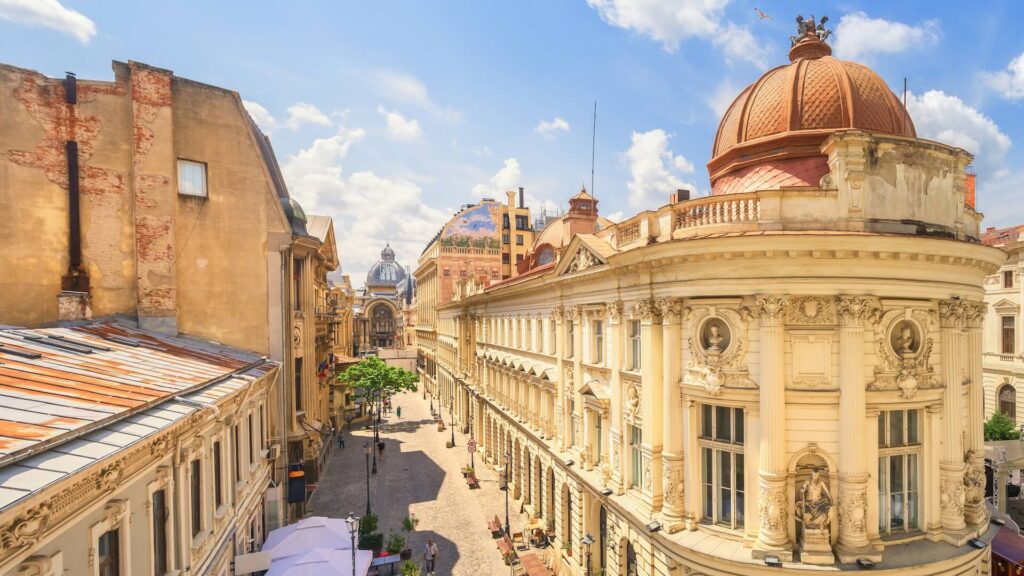
Overall score: 18/25
Bucharest retains one of the lowest general personal income-tax rates in the comparison. Yet the familiar 10 per cent description no longer captures the full position of a wealthy resident.
The general personal rate remains 10 per cent, while dividend taxation rose to 16 per cent in January 2026. The levy on qualifying high-value property also increased, and the treatment of securities and digital assets has tightened. A founder living on company distributions will therefore receive a different result from a salaried executive.
Residence and mobility have improved. Romania became a full Schengen member on 1 January 2025, removing a longstanding practical disadvantage. As an EU capital, Bucharest now combines comparatively moderate taxation with broader European movement, although residence still requires an eligible legal basis.
Quality of life is strongest within a private ecosystem. International schools, private healthcare, technology companies, domestic staffing and modern residential districts can support an entrepreneurial household at a lower cost than Western European capitals. Public infrastructure and the consistency of the wider urban environment remain weaker.
Prime property is concentrated in Primăverii, Kiseleff, Aviatorilor, Dorobanți and Floreasca. New or comprehensively refurbished homes can reach €6,000 to €8,000 per square metre because internationally acceptable supply remains limited.
Recent prime growth, however, was close to 0.4 per cent in 2025. The investment case therefore rests on entry value, replacement cost and long-term convergence rather than immediate appreciation.
Exit requires discipline. A €2 million residence may appear inexpensive beside Madrid or Paris and still sit close to the upper boundary of local liquidity. Construction quality, developer history, title and building management deserve close examination.
Bucharest reaches 18/25 through moderate taxation, improved mobility, lower operating costs and scarce modern prime stock. Recent fiscal changes, subdued growth and a smaller trophy market prevent the city from relying on price alone.
Zagreb reaches the same score through institutional steadiness and access to the wider Croatian market.
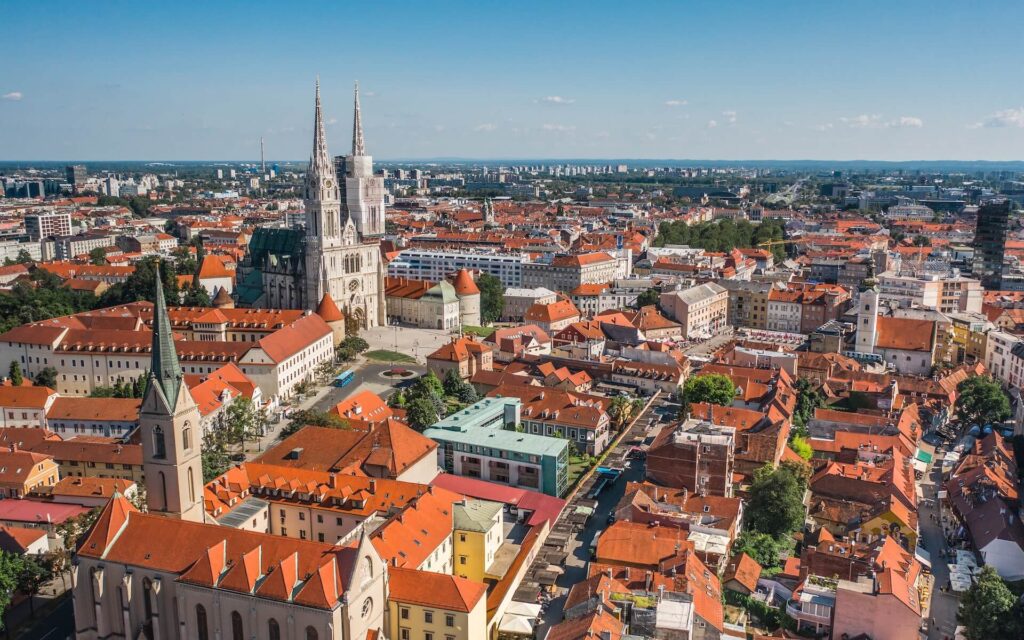
Overall score: 18/25
Zagreb begins with safety, scale and institutional access.
Croatia belongs to the EU, the euro area and Schengen, giving the buyer a stable legal and currency framework. The capital is manageable in size, well connected to the Adriatic and suited to families seeking a quieter European base.
Its quality-of-life case extends beyond the city itself. A Zagreb residence can support access to coastal homes, marinas and hospitality assets without requiring a second banking, legal or tax jurisdiction. For families already using Croatia seasonally, that coherence can be highly practical.
Taxation is moderate rather than specially designed for private wealth. Specified investment income, dividends and taxable capital gains are generally taxed at 12 per cent. Employment rates are locally determined and can be materially higher. Croatia also offers no passive golden visa through residential property. Residence gains its value from EU and Schengen membership rather than a dedicated investor route.
Property remains comparatively accessible. New-build apartment prices averaged close to €3,000 per square metre in the first half of 2025, while prime homes in Pantovčak, Tuškanac, Zelengaj and parts of Gornji Grad trade above that level.
Completed trophy-market evidence becomes thin above €2 million. As a result, the holding period and future buyer pool require more attention than the initial asking price.
The earthquakes of 2020 also changed the standard of due diligence. Structural remediation, engineering evidence, common-area obligations and condominium records may matter more to the acquisition than the façade.
Zagreb reaches 18/25 through safety, EU mobility, euro stability, quality of life and favourable entry pricing. The absence of a dedicated HNWI tax regime and limited high-value liquidity keep it below Prague and Athens.
Prague shares the same total, but reaches it through stronger institutional quality, a deeper urban market and a more restrictive residence framework.

Overall score: 18/25
Prague combines one of the ranking’s strongest safety positions with a residential market shaped by limited supply, sustained demand and an unusually functional urban scale.
Its tax position is moderate. Czech personal income is taxed at 15 per cent up to the statutory threshold and 23 per cent above it. That places Prague below Sofia, Budapest and Bucharest for headline efficiency, while remaining lighter than several Western European capitals. There is no dedicated HNWI regime for foreign income, so the city is unlikely to lead a relocation based principally on tax.
Residence creates the greater limitation. Buying property provides no immigration status. The Czech investment route requires substantial business investment and the creation of local employment. For most private buyers, residence must therefore follow employment, entrepreneurship or family circumstances rather than the home.
Where Prague recovers ground is in the daily experience of ownership. Public transport is extensive, the historic core remains highly walkable, and the city supports international education, private healthcare and direct connections across Europe. Czechia’s strong institutional and safety position adds weight to a full-time family residence.
The property market reinforces that case. Prague’s apartment supply remains constrained by planning, permitting and the physical limits of its historic fabric. Average apartment prices moved above CZK 130,000 per square metre during 2025, while the strongest properties in Malá Strana, Josefov, Hradčany, Vinohrady and Bubeneč sit materially above the city average.
In historic stock, ceiling height and architectural provenance are only the beginning. Title, protected-building restrictions, common-area condition, parking, lift access and the quality of renovation determine whether the property will remain acceptable to the next international buyer.
Prague reaches 18/25 through safety, quality of life and a supply-constrained residential market. Its lack of passive residence and the absence of a dedicated foreign-income regime keep it below Athens and Budapest. Within the 18-point group, however, it offers the most complete balance of institutional confidence, daily use and eventual resale.
Athens moves ahead because taxation, property and residence can be assembled within one strategy.
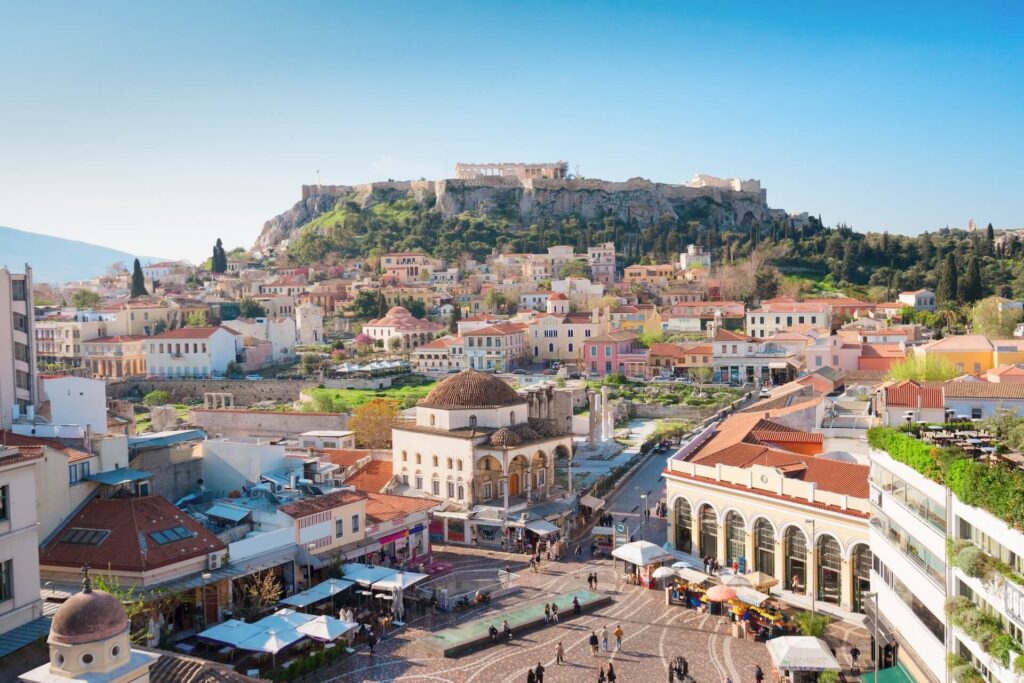
Overall score: 19/25
Athens offers the clearest alignment between a residential acquisition and a dedicated HNWI relocation regime.
Under Article 5A, a qualifying new tax resident can pay an annual lump sum of €100,000 on foreign-source income for up to fifteen years. Greek-source income remains subject to ordinary taxation, and the regime requires an eligible transfer of tax residence together with a qualifying investment.
At €5 million of qualifying foreign income, the annual charge represents a simplified ratio of 2 per cent. For a family with substantial income outside Greece, that can materially reshape the wider ownership calculation.
Residence remains directly connected to property. Ordinary acquisitions in Athens generally fall within the €800,000 golden-visa tier. A €250,000 route survives for defined commercial-to-residential conversions and listed-building restoration, creating a more technical acquisition strategy than the purchase of a conventional apartment.
Quality of life is strongest when the capital and coast are considered together. Kolonaki provides established urban living, while Glyfada and Vouliagmeni add marina infrastructure, beaches and access to the Athens Riviera. The Ellinikon redevelopment has strengthened the southern market’s international relevance.
Private healthcare, schools, climate and aviation support long-term family use. At the same time, public administration and physical infrastructure remain less predictable than in Northern European capitals.
Legal and technical diligence is decisive. Cadastral inconsistencies, unauthorised alterations, shared ownership and seismic issues can undermine both residence eligibility and resale. In Athens, the legal history of the property can be as consequential as the address.
Athens reaches 19/25 because tax, residence and property can operate within one coherent strategy. Administrative complexity, uneven infrastructure and more limited exit liquidity than Madrid or London keep it below Budapest and the leading pair.
Budapest moves into third place through a lower headline tax rate, a long-duration investor residence route and exceptional recent property momentum.

Overall score: 20/25
Budapest enters the upper tier through one of the ranking’s strongest combinations of taxation, residence access and residential momentum.
Hungary applies a 15 per cent personal income-tax rate. The simplicity of that headline gives the city a clear advantage over the higher-tax capitals of Western and Northern Europe, although the final liability still depends on income type, social contributions and the structure through which wealth is received.
For non-EU buyers, the Guest Investor Programme adds a substantive mobility argument. A qualifying applicant can invest at least €250,000 in an approved Hungarian real-estate fund or make a €1 million eligible donation. The residence permit may be granted for ten years and extended for another ten. Direct residential property does not qualify, so the investment route and the home must be assessed separately.
Budapest also performs strongly for personal safety and daily life. Its cultural institutions, international schools, private healthcare, Danube setting and European connectivity support long-term use, while the city remains less expensive to operate than Vienna, Paris or London.
The strongest family districts extend beyond the ceremonial centre into the Buda Hills, where privacy, land and international schooling create a residential market distinct from the prime apartments of Districts V, VI and XIII.
Property growth has been forceful. Budapest prices rose sharply during 2025, supported by limited new completion, mortgage demand and state-backed purchasing measures. That momentum strengthens the capital-growth score while also raising the possibility that current values have moved ahead of underlying fundamentals.
Accordingly, the most defensible acquisition is unlikely to be the one showing the most aggressive recent appreciation. Broad resale appeal, building quality, views, parking, service standards and access to the Buda side will matter once the present growth cycle moderates.
Budapest reaches 20/25 through low headline taxation, a ten-year renewable investor residence route, strong safety, established quality of life and exceptional recent property momentum. Currency exposure, institutional considerations and signs of housing-market overvaluation prevent a higher score.
Lisbon ranks above it through a broader combination of safety, mobility, international demand and national lifestyle optionality.
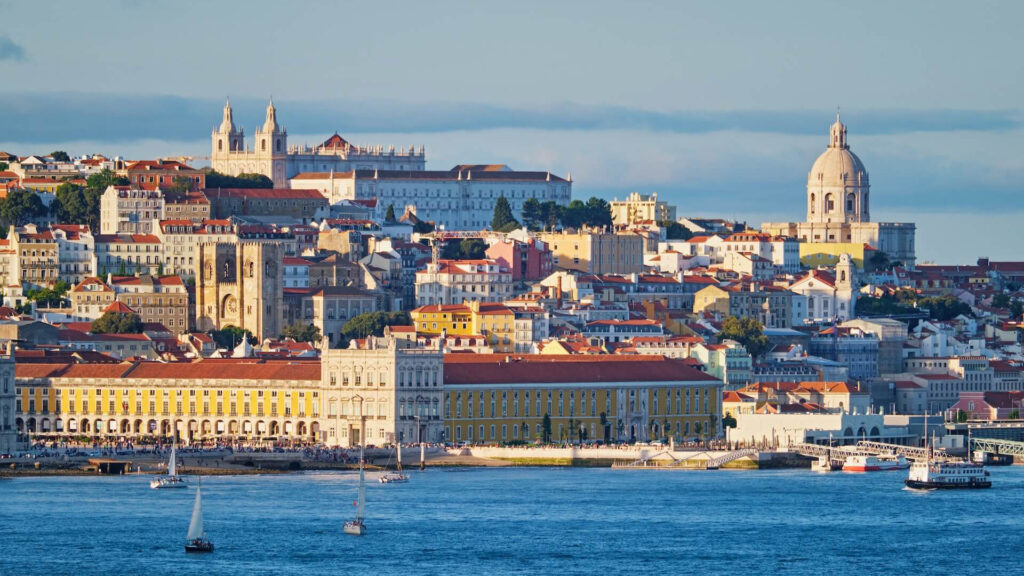
Overall score: 21/25
Lisbon earns its position through breadth.
Portugal continues to offer strong personal safety, political stability and a daily environment well suited to internationally mobile households. International schools, private healthcare, Atlantic aviation links and a large multilingual community support full-time residence.
The immigration framework remains relevant, although the route has changed. Portugal’s investment-residence programme continues through qualifying non-property investments, including eligible funds and other approved activities. Residential real estate no longer qualifies.
Taxation now carries more restraint in the score. The former general NHR regime closed to most new entrants in 2024. Its successor, IFICI, is narrower and directed towards qualifying research, innovation, start-up and specified high-value activities. Standard resident rates can reach 48 per cent.
Citizenship planning also requires a longer view. The 2026 reform extended the standard residence requirement to seven years for EU and CPLP nationals and ten years for most other applicants. The former five-year assumption can no longer support a new acquisition thesis.
Property restores much of Lisbon’s strength. Prime values rose by approximately 2.7 per cent during 2025, while international demand remains established. More importantly, the ownership case extends across Portugal. A Lisbon residence can sit alongside Cascais, Comporta, the Algarve or Madeira within one legal, banking and tax system.
That flexibility matters in practice. The balance between city, coast and seasonal use can change without rebuilding the wider ownership structure.
Building quality still varies substantially. Structural condition, seismic resilience, protected-building rules and rental restrictions need to be examined property by property.
Lisbon reaches 21/25 through safety, quality of life, continuing residence options and broad international property demand. Its reduced tax advantages and longer citizenship horizon prevent the city from relying on the incentives that defined its previous cycle.
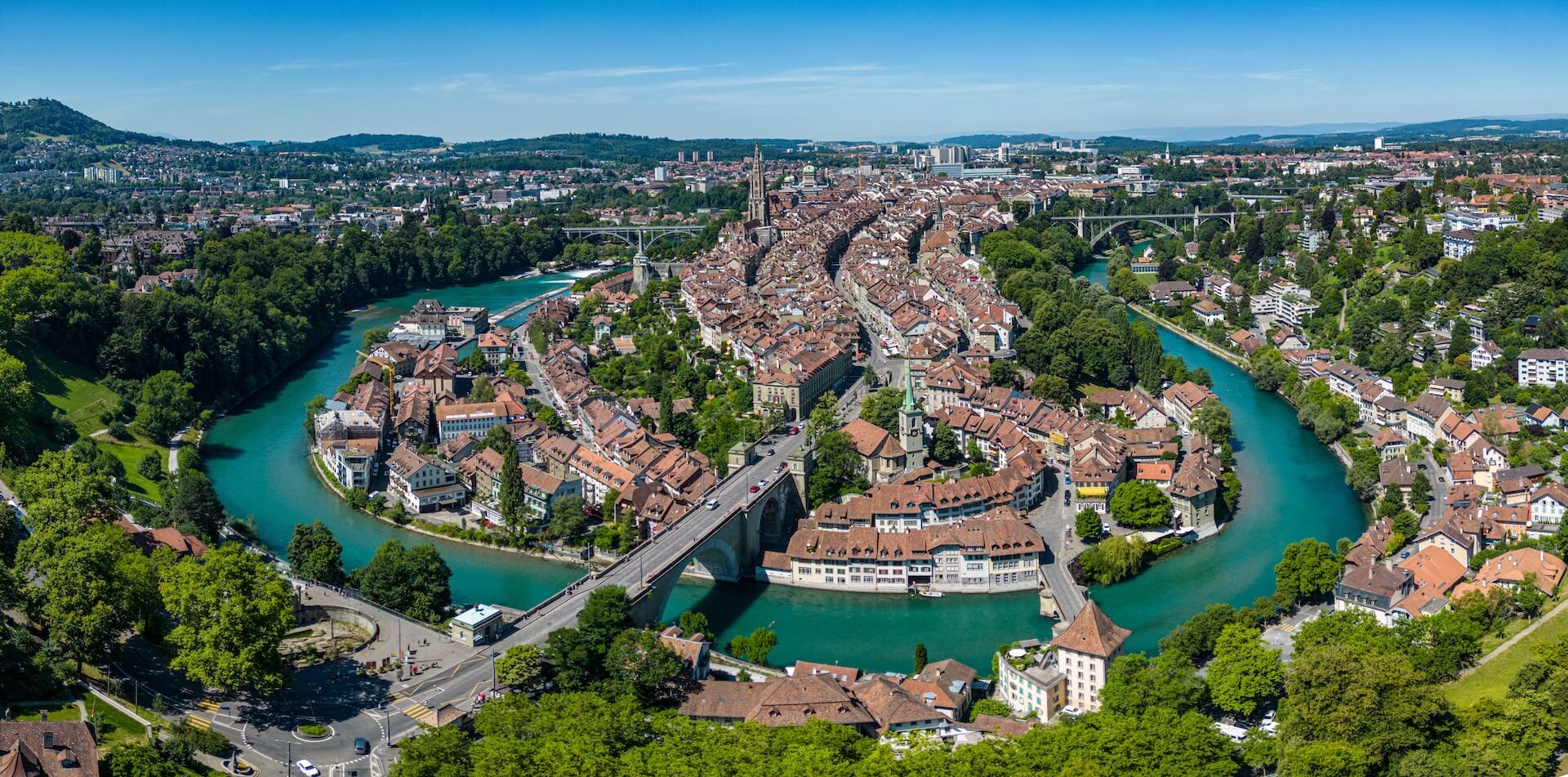
Bern reaches the same total from the opposite direction, with preservation and institutional continuity carrying more weight than flexibility.
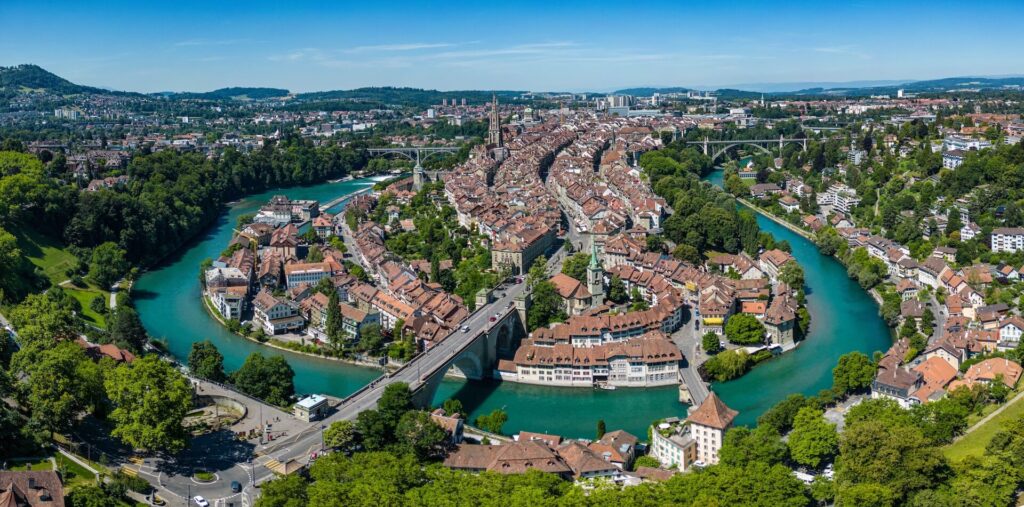
Overall score: 21/25
Bern leads because it leaves a preservation buyer with relatively few unresolved variables.
Swiss political continuity, legal reliability, personal security and the franc provide a strong institutional foundation. Daily life is orderly, private and supported by excellent healthcare, education, infrastructure and public administration. Bern offers less international spectacle than London or Paris, which may be an advantage when discretion forms part of the brief.
Taxation can be highly favourable for a narrow group and conventional for everyone else. Qualifying foreign residents may be eligible for expenditure-based taxation, with the taxable basis linked to living costs and the applicable cantonal framework.
Ordinary residents remain subject to federal, cantonal and municipal income taxation, together with cantonal wealth tax. There is no universal effective rate for a family receiving €5 million or €20 million of income. Expenditure, housing, nationality, treaties and the agreed taxable basis all shape the result.
Residence is also selective. EU and EFTA nationals generally have clearer routes than third-country applicants, while residence for a financially independent non-EU family remains case-specific. Property acquisition can be restricted as well.
Those barriers introduce friction at entry and reinforce the scarcity supporting the market. Bern added very little housing during 2025, while its residential vacancy rate stood at approximately 0.44 per cent.
Indicative apartment values were close to CHF 9,168 per square metre across the city and CHF 11,719 in Kirchenfeld. Gross yields of roughly 2.6 to 3.1 per cent confirm that the purchase is primarily oriented towards preservation.
The resale market is smaller than London, Paris or Madrid. Consequently, legal simplicity, condition, privacy and suitability for full-time family use carry greater weight than novelty.
Bern reaches 21/25 through exceptional safety, institutional quality, scarcity and currency diversification. Selective access, modest income return and a smaller exit pool prevent it from serving every buyer. When preservation, institutional stability and a long holding period define the brief, however, the city provides the clearest case in the comparison.
The ranking becomes more useful when return is separated into the outcomes you will actually use.
Financial return comes through rent, capital appreciation or operating income. Madrid, Lisbon, Budapest and selected convergence markets currently carry stronger growth arguments. London, Paris and Berlin offer deeper resale evidence and a different entry cycle.
Tax return comes from the treatment of the income already present on the balance sheet. Athens and Rome can be highly efficient for substantial qualifying foreign income. Budapest and Sofia provide broad low headline rates. Bucharest remains moderate, although dividends and high-value property now carry greater exposure.
Mobility return comes through residence rights, Schengen access and the path to permanence. Athens retains the clearest property connection. Lisbon and Budapest continue through eligible non-property investments. Rome provides a separate investor visa. A home in London, Paris, Madrid, Berlin, Prague or Amsterdam creates no automatic residence right.
Lifestyle return reflects how the family will use the capital. Schools, healthcare, language, climate, aviation access, culture and proximity to other homes can outweigh a modest difference in projected appreciation.
Security return comes through legal certainty, political continuity, institutional reliability and currency diversification. Bern leads that category. Lisbon and Prague benefit from safety and stability. London, Paris and Amsterdam retain deep institutions despite their weaker tax positions.
In advisory work, the most revealing question is rarely which city scores highest overall. It is which two or three forms of return will genuinely be used, and which liabilities are acceptable in exchange.
Before the first property is shortlisted, the tax, residence and ownership structure should already be taking shape.
Your advisers should be able to state which income falls within the proposed regime, which residence right exists independently of the property and how relocation changes the treatment of trusts, companies, succession and worldwide assets.
The exit deserves the same attention. The likely nationality of the future buyer, available financing, expected holding period and the property’s suitability for international use all influence today’s value.
A conventional three-bedroom apartment with lift access, parking, outdoor space and a complete renovation will usually have a broader resale audience than a highly personalised palace, an oversized suburban villa or a protected building with unresolved technical obligations.
Once the buyer’s own circumstances are inserted, the ranking may change. Rome can move ahead of Madrid for a buyer receiving €20 million of qualifying foreign income. London may lead for a private-equity principal planning a defined four-year residence. Athens can take first place for a non-EU family seeking property-linked residence. Budapest becomes highly relevant when low taxation and long-duration residence carry equal weight. Bern remains difficult to displace when preservation, institutional stability and franc exposure form the central brief.
The right capital is the one that continues to work after the property has been acquired, the family has arrived and the original assumptions have been tested by time.
There is no single best capital for every property purchase. Bern leads this comparison for preservation, Lisbon for lifestyle and national optionality, Budapest for low taxation and investor residence, and Athens for property-linked residence. The right choice depends on the purpose of the purchase, your income structure, residence plans and expected holding period.
n some countries, yes. Greece still connects qualifying property purchases with residence, with ordinary Athens acquisitions generally falling within the €800,000 tier. Portugal and Hungary offer investor-residence routes through qualifying non-property investments. A home in London, Paris, Madrid, Berlin, Prague or Amsterdam creates no automatic right of residence.
Athens and Rome offer fixed annual regimes for qualifying foreign income, while Budapest and Sofia apply low headline personal tax rates. The most efficient outcome depends on whether your income comes through salary, dividends, gains, trusts or company distributions, together with your residence status, treaty position and family structure.
It can be when the city and property suit the intended holding period. Madrid, Lisbon and Budapest show stronger recent growth signals; London and Paris provide deeper resale markets; Bern is primarily a preservation purchase. Acquisition taxes, annual costs, currency exposure and the size of the future buyer pool can materially change the final return.
Review tax residence, immigration rights, legal title, building condition, acquisition costs, annual carrying costs, succession exposure, currency risk and resale liquidity. Historic property also requires scrutiny of protected-building rules, unauthorised alterations, structural work, energy requirements and shared-building obligations. These checks should begin before the final property shortlist is agreed.

























 Dutch
Dutch  German
  Spanish
  French
  Arabic
  Chinese
  Russian
  Swedish
  Portuguese
  Polish
  Greek
Greek  Italian