


Luxury Real Estate in Zakynthos and the Appeal of the Ionian Islands
Zakynthos belongs to Greece, unmistakably, yet it carries a different island temperament from the Cyclades. It is greener, softer in profile, more Venetian in memory, and more closely tied to the Ionian world of harbours, olive groves, limestone cliffs and protected waters. For buyers looking at Greek island property with a long horizon, that distinction matters.
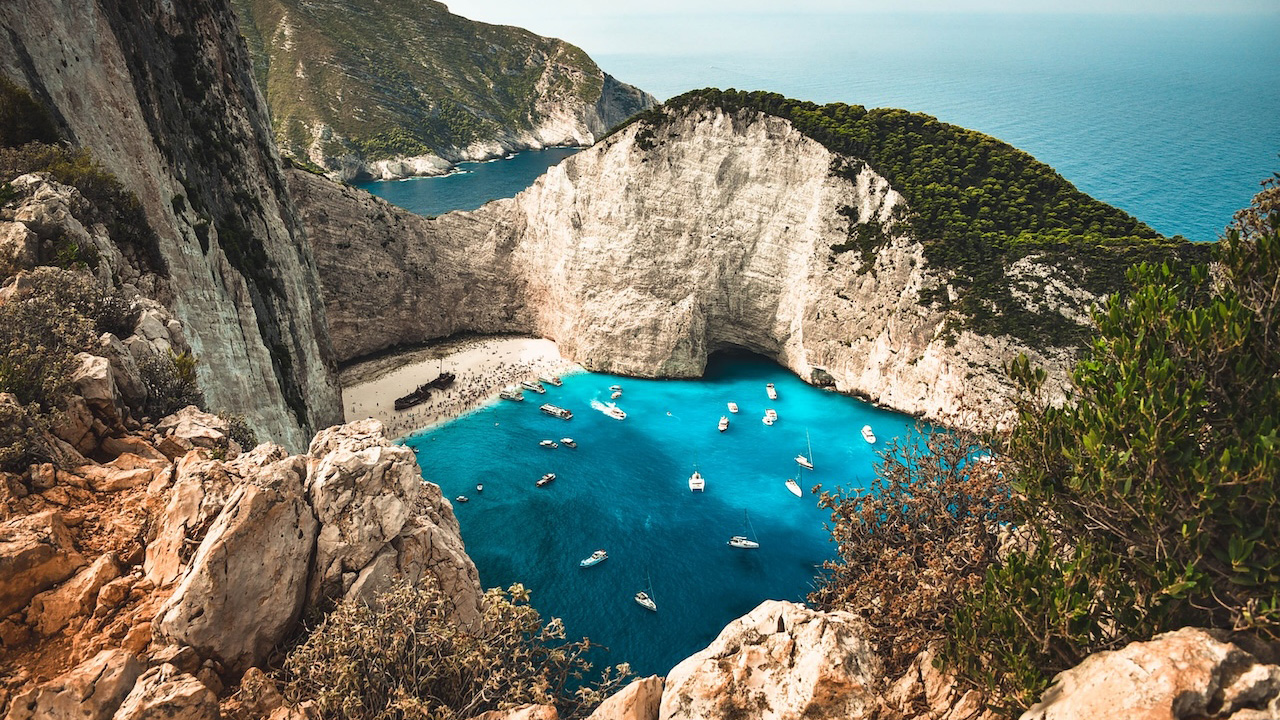
The island’s real estate appeal is not built on scenery alone. Zakynthos offers some of the most recognisable natural settings in the Mediterranean, from Navagio Beach and the Blue Caves to the protected waters around Marathonisi, yet its more interesting value lies in the relationship between beauty, access and restraint. It has an international airport, strong tourism demand, a growing profile among lifestyle buyers, and property pricing that remains more approachable than Greece’s most saturated prime island markets. In that balance, luxury real estate in Zakynthos begins to read less as a seasonal escape and more as a considered Ionian position.
An Ionian Island with Natural Authority
Zakynthos is the southernmost of the Ionian Islands, a place historically known as the “Flower of the East” because of its lush hills, long coastline and fertile interior. That description still has relevance, although the island is more compelling when seen through its structure rather than its romance. Its western cliffs create drama. Its eastern coast offers easier access and resort infrastructure. Its southern marine park protects some of its most sensitive coastal environments. Inland, villages, olive groves and mountain roads provide the quieter counterweight to the island’s beach identity.
This gives Zakynthos a layered property logic. A buyer is not choosing only between sea view and inland privacy. They are choosing between different ways of belonging to the island. Zakynthos Town offers services, harbour life and year-round practicality. Tsilivi provides a more family-oriented coastal setting. Laganas carries stronger rental intensity and a more seasonal energy. Vasilikos, Keri and Agios Nikolaos speak to buyers seeking quieter land, protected surroundings and a more deliberate relationship with the island’s natural character.
Zakynthos and the Character of the Ionian Islands
The Ionian Islands have long been shaped by a different cultural inheritance from much of the Aegean. Venetian influence remains visible in town planning, civic architecture, colour, music and social life, even where earthquakes and rebuilding have altered the physical fabric. Zakynthos carries that heritage in a quieter form: not always through perfectly preserved monuments, but through harbours, squares, churches, festivals and the island’s continuing sense of local ceremony.
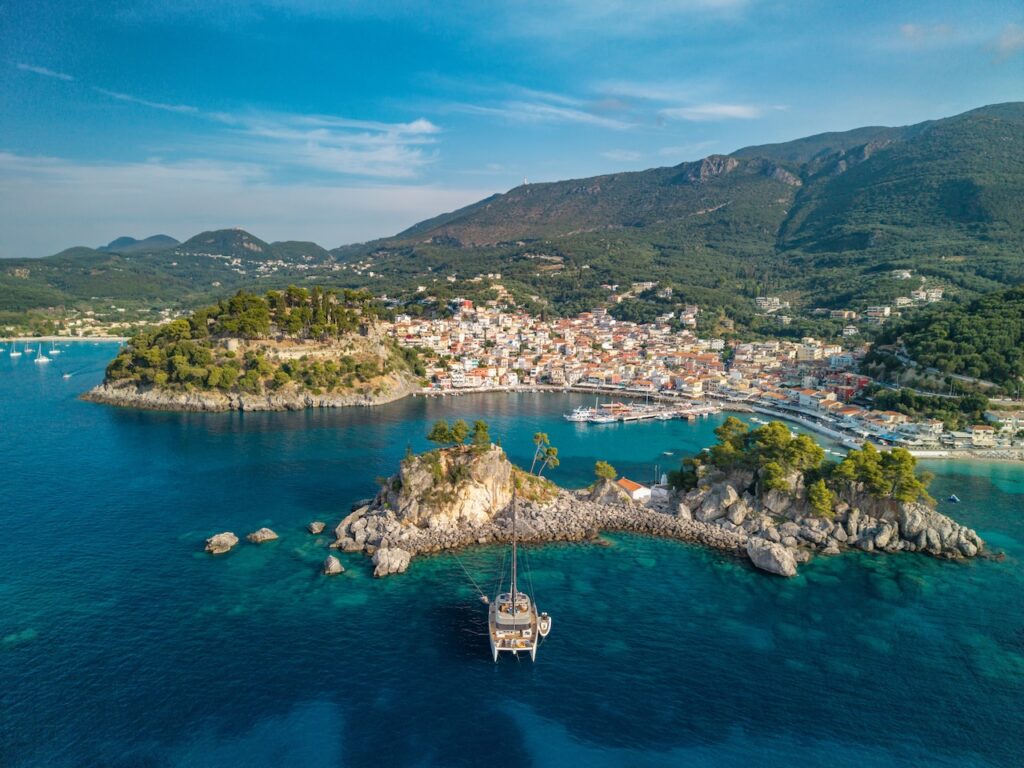
That heritage matters because it prevents the island from becoming a simple beach market. The strongest Greek island destinations rarely hold their value through scenery alone. They hold because they offer atmosphere, identity, access and enough cultural depth to support repeated use. Zakynthos has those ingredients, and in the current Greek island market, that combination is becoming increasingly relevant.
The Landscape Behind the Beaches
Zakynthos is internationally recognised for its coastline, but the island’s more durable appeal is found in the landscape behind it. The contrast between limestone cliffs, marine caves, protected nesting beaches, olive groves and mountain villages gives the island a broader residential vocabulary than its best-known images suggest.
This is especially important for luxury real estate in Zakynthos because the most thoughtful buyers are rarely looking for a view in isolation. They are looking for privacy, access, orientation, outdoor life, rental potential, and a setting that will still feel meaningful outside peak summer. The island’s protected natural zones create a further layer of scarcity. Environmental restrictions around sensitive marine areas, particularly those connected to sea turtle habitats, limit indiscriminate development and support the long-term value of well-positioned property.
In practical terms, this makes certain parts of the island more interesting than they may appear on a conventional property map. Vasilikos appeals not through density or convenience alone, but through its protected beaches and more secluded atmosphere. Keri offers a traditional village setting with elevated sea views and a slower pace. Agios Nikolaos, in the north, carries a quieter maritime character and proximity to some of the island’s most striking waters. These are not interchangeable lifestyle settings. Each carries a different ownership meaning.
Villages, Harbours and Venetian Traces
Zakynthos Town remains the island’s civic and practical centre. It offers the harbour, services, restaurants, administration, shops and a more consistent year-round population. For buyers who want the island to function beyond the summer months, this matters. The town also provides a different entry point into the market, especially where apartments or older buildings offer renovation potential at a lower threshold than prime villa locations.
The island’s villages provide another form of value. Mountain settlements such as Kiliomenos attract those who want tranquillity, wellness, walking routes and a stronger connection to inland life. Smaller communities continue to hold festivals, religious celebrations and local gatherings that give newcomers a way to experience the island beyond the surface of tourism. This is one reason Zakynthos can work for retirees, remote professionals and families as well as holiday-home buyers. The social fabric is not confined to the shoreline.
That distinction is useful for property strategy. A villa near the coast may perform well during the rental season, but a house with village presence, land and privacy can offer a more enduring personal base. In a market where buyers are becoming more selective, these subtler qualities matter.
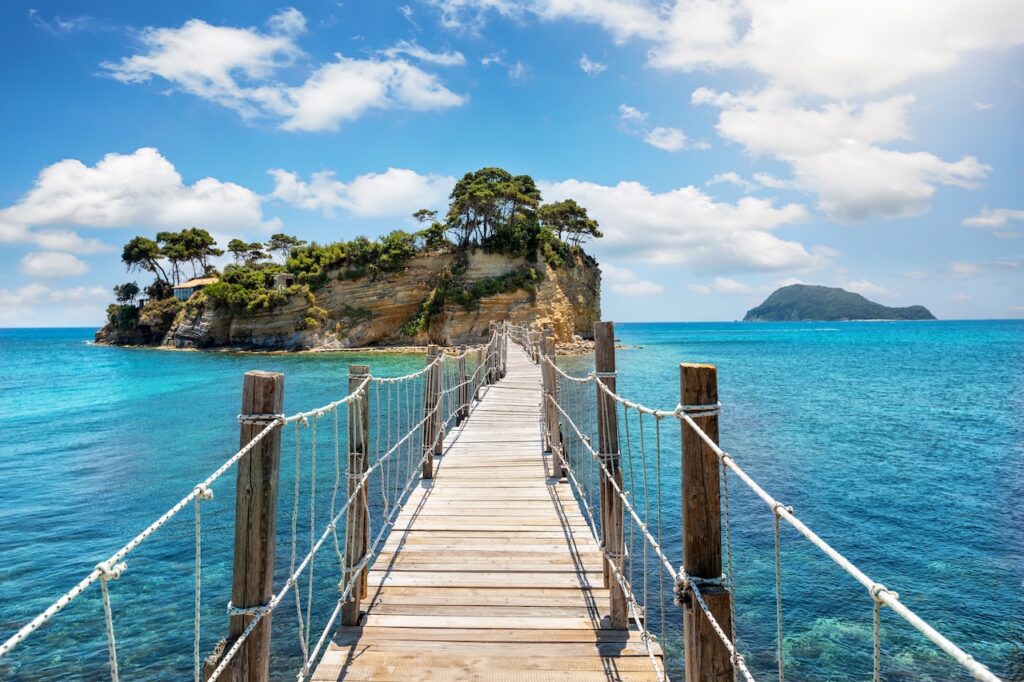
Life Between Coast, Olive Groves and Protected Waters
Life in Zakynthos is shaped by access to several versions of the island at once. The sea is central, but it is not the only measure of quality. A day can move from the harbour in Zakynthos Town to a quiet beach in Vasilikos, from olive-grove roads to a village taverna, from remote work in a café to dinner by the water. The island is compact enough to feel manageable, but varied enough not to collapse into one single mode of living.
That is part of its appeal to remote professionals and semi-permanent residents. The research notes that mobile 4G coverage is stable across much of the island, with cafés in Zakynthos Town, Tsilivi and Laganas commonly used as informal workspaces. While the island does not yet have the formal coworking infrastructure of larger urban markets, its appeal lies in a different proposition: access to nature, reliable daily conveniences, a slower pace and a social environment that remains approachable.
For affluent buyers, this lifestyle has value because it does not need to be overdesigned. Zakynthos does not have to compete with Mykonos on social intensity or Santorini on symbolic recognition. Its strength lies elsewhere: in a form of island living that still feels open, warm, naturally beautiful and comparatively unforced.
Ownership with Lifestyle and Investment Weight
The property case for Zakynthos rests on three connected forces: access, scarcity and relative value. Islands with international airports have shown stronger price growth in recent years, and Zakynthos benefits from direct flights from multiple European cities as well as ferry connections from Kyllini. For second-home buyers, that practical accessibility is not a minor detail. It affects frequency of use, rental demand and long-term liquidity.
Pricing also supports the island’s position. The research places average home values around €2,000 per square metre, with typical Zakynthos property ranges extending higher depending on location, specification and view. This keeps the island below the most expensive Cycladic markets, where prime villas and caldera-view homes can command dramatically higher prices. For buyers comparing Greek islands, Zakynthos can therefore offer a compelling balance: recognised natural beauty, established tourism, an international airport and a lower entry point than the most overheated prestige destinations.
Rental performance adds another dimension. The brief notes villa rental rates ranging from approximately €175 per day in low season to €465 per day in high season, with high occupancy and yields around 6.8 percent in the cited data. That does not mean every property will perform equally. Rental strength depends heavily on location, quality, management, licensing, access and seasonality. Still, the underlying demand is clear enough to make Zakynthos relevant for buyers who want personal use supported by income potential.
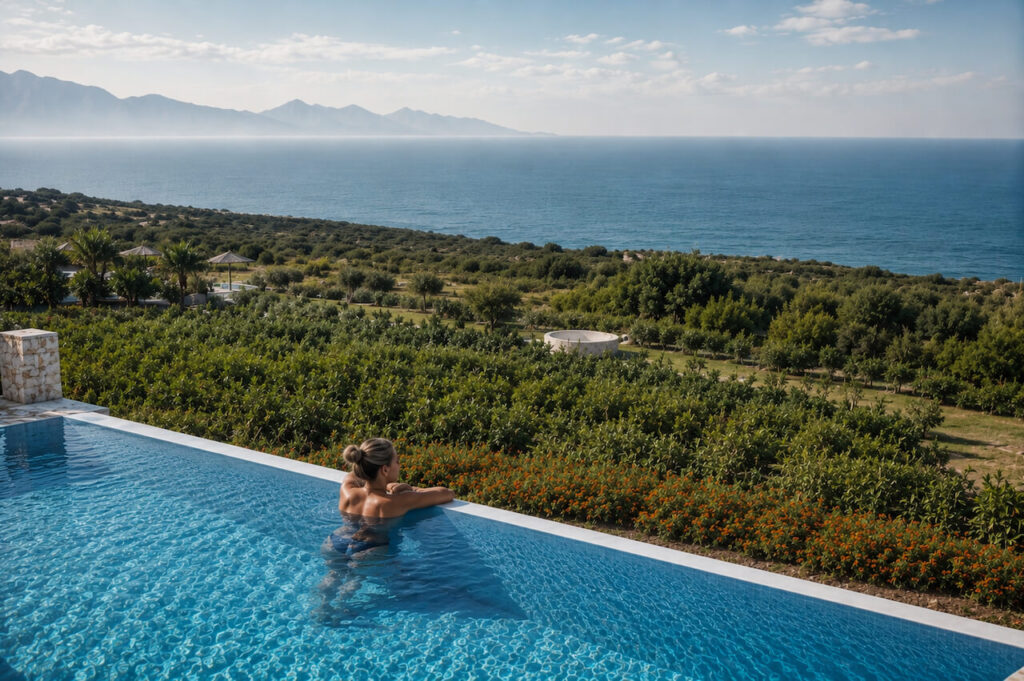
Coastal Areas with Rental Strength
Laganas, Tsilivi and parts of the eastern and southern coastline carry the clearest rental logic. Laganas is one of the island’s busiest resort areas, known for nightlife and summer volume. It can work for investors prioritising short-term rental demand, although the atmosphere is highly seasonal and less aligned with buyers seeking discretion. Tsilivi offers a more balanced proposition, with a family-friendly profile, beach access, restaurants, services and mid-term rental appeal.
Zakynthos Town sits in a different category. Its advantage is year-round use rather than pure holiday intensity. Apartments and town properties can appeal to buyers who want local infrastructure, lower entry pricing and renovation potential. For some, it is less glamorous than a cliffside villa. For others, it is more intelligent because it remains useful in every season.
The stronger coastal and near-coastal assets tend to be those that avoid overdependence on one type of demand. A property that can attract summer visitors, serve as a private family base and retain practical access outside the peak season will usually hold broader appeal than one designed only around short-term rental income.
Quiet Villages with Long-Term Appeal
The quieter parts of Zakynthos may prove increasingly important as the market matures. Vasilikos, Keri and Agios Nikolaos each speak to a buyer who wants privacy, landscape quality and long-term relevance rather than immediate resort energy. In these areas, value is often tied to what cannot easily be added: protected surroundings, limited buildable land, sea orientation, village character and a more restrained atmosphere.
Vasilikos is especially notable because environmental protections shape the area’s development profile. Its beaches, including Gerakas and Dafni, are associated with protected turtle nesting habitats, which reinforces both natural value and supply discipline. Keri offers traditional village presence and elevated views, while Agios Nikolaos provides a quieter northern base with access to the sea and a less crowded mode of ownership.
For buyers with a long horizon, these locations carry a different kind of promise. They may not always deliver the immediate rental intensity of the island’s busiest resort zones, but they offer qualities that become more important over time: privacy, authenticity, land, quiet access and a stronger connection to the island’s natural setting.
Personal Advisory in Zakynthos and Greece
Buying well in Zakynthos requires more than access to listings. The island’s property market is highly local, with meaningful differences between coastal, village and protected areas. Title clarity, planning permissions, renovation history, rental licensing, environmental restrictions and the true year-round usability of a location all need to be understood before a property is treated as a serious acquisition.
This is where Baerz becomes most relevant. Our work in Greece is not limited to presenting homes. We represent buyer interests across the search, assessment and acquisition process, helping clients understand where value is genuinely supported and where risk may be hidden beneath surface appeal. In a market such as Zakynthos, that distinction matters.
Guidance Led by Expert Local Advisory
Zakynthos is guided by Chana van der Velden, Personal Property Advisor in Greece, whose role is to bring local context, market knowledge and buyer representation into one discreet advisory process. For clients considering the island, Chana helps frame the search by lifestyle, investment logic, location, legal exposure, renovation potential and long-term suitability, rather than by availability alone.
That approach is especially relevant in Greece, where the most attractive properties can involve several layers of diligence. A sea-view villa may still require careful review of access, title, building legality and rental permissions. A village house may carry renovation opportunity but also heritage or planning complexity. A protected coastal setting may offer scarcity and beauty, but also restrictions that shape how the asset can be used or improved.
Baerz’s presence in Zakynthos is therefore not simply about being active in the market. It is about giving buyers a more intelligent way to move through it: quietly, selectively and with their interests protected from first conversation to completion.
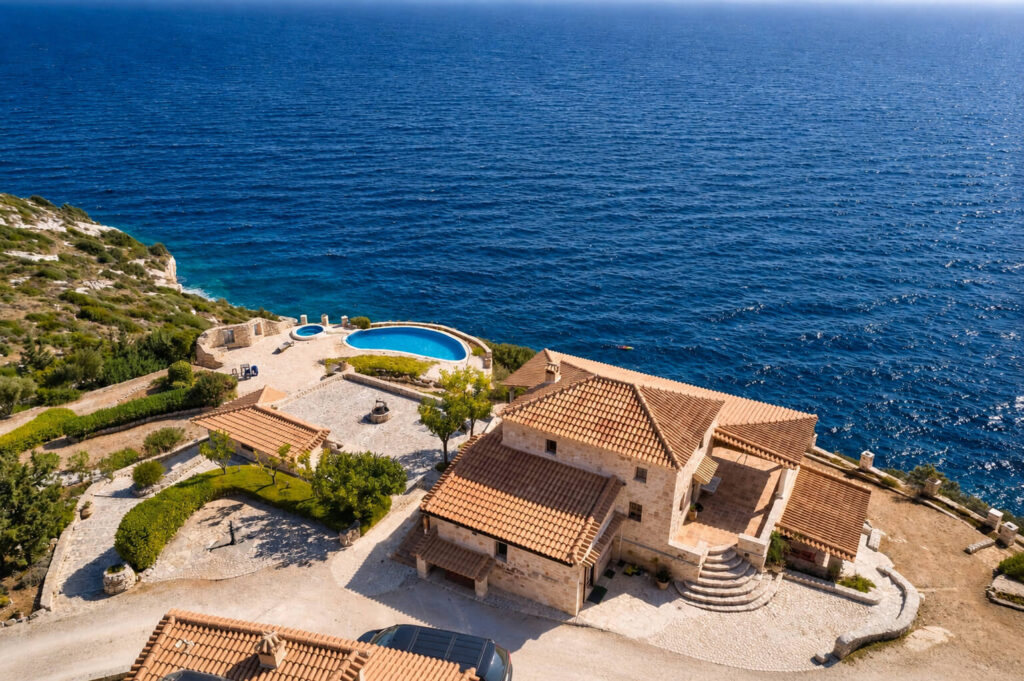
The Broader Greek Island Context
Zakynthos should also be understood within the wider movement of Greek island real estate. Greece’s residential market has moved beyond simple post-crisis recovery into a more selective phase, with buyers increasingly focused on quality, convenience, energy performance and rental potential. The brief notes that national residential prices have risen significantly from the 2017 trough, while the holiday-home market has become more strategic, with buyers placing greater emphasis on well-designed, manageable properties.
This broader context supports Zakynthos because the island sits between extremes. It is more accessible and established than many minor islands, yet less expensive and less saturated than Mykonos or Santorini. Corfu carries stronger year-round infrastructure and UNESCO prestige. Crete offers scale, history and a deeper permanent population. The Cyclades offer global recognition at a substantial premium. Zakynthos occupies another space: natural beauty, airport access, Ionian softness, protected landscapes and pricing that still allows room for thoughtful acquisition.
The Golden Visa context adds further nuance. Greece remains attractive to international buyers, but higher thresholds and restrictions in parts of the market mean the programme is no longer the only driver of demand. This is healthy for places like Zakynthos. It moves attention back toward fundamentals: quality of life, scarcity, access, build quality, rental profile and the enduring appeal of the island itself.
The Enduring Case for Zakynthos
The strongest argument for Zakynthos is not that it is undiscovered. It is not. The island is internationally known, heavily visited in summer and already established within Greece’s tourism economy. Its real appeal lies in the fact that, beneath that visibility, there remains a more nuanced and durable property story.
Luxury real estate in Zakynthos is shaped by a combination that remains difficult to find at the same price point elsewhere in the Mediterranean: protected coastline, recognised natural beauty, international access, rental demand, village life, and the cultural softness of the Ionian Islands. The best acquisitions will not be defined by size alone. They will be defined by position, privacy, legal clarity, architectural sensitivity and the ability to serve both personal and investment objectives over time.
For some buyers, the right property will be a villa with sea views and professional rental management. For others, it will be a quieter house near Vasilikos or Keri, chosen less for immediate yield than for land, privacy and the feeling of being held within the island rather than placed above it. Others may look to Zakynthos Town for practicality, renovation potential and a stronger year-round base.
In each case, the island rewards careful reading. Zakynthos is not a single market. It is a collection of settings, each with its own lifestyle, seasonality and value logic. That is precisely what makes it interesting. The island has enough visibility to support demand, enough protection to preserve scarcity, and enough variety to allow ownership to become personal rather than formulaic.
FAQs About Buying and Living in Zakynthos
Is Zakynthos a good place to live year-round?
Zakynthos can work well year-round, especially for buyers who choose locations with practical infrastructure rather than purely seasonal energy. Zakynthos Town offers the strongest year-round services, while Tsilivi, selected villages and parts of the east coast can also support longer stays. Some resort areas become much quieter outside summer, so location choice is essential.
Where is the best place to buy property in Zakynthos?
The best area depends on the ownership goal. Tsilivi suits buyers wanting a balanced coastal setting with family appeal and rental potential. Laganas is more focused on high-season tourism and stronger short-term rental demand. Zakynthos Town offers services and year-round practicality. Vasilikos, Keri and Agios Nikolaos appeal to buyers seeking privacy, natural beauty and longer-term scarcity.
Can foreigners buy property in Zakynthos?
Yes. Foreign buyers can purchase property in Greece, including Zakynthos. The process is established, but proper legal due diligence is essential. Buyers should verify title, planning status, building legality, tax obligations and any restrictions connected to protected or heritage-sensitive areas before committing to an acquisition.
Is property in Zakynthos a good investment?
Zakynthos can be a strong long-term investment when the property is well located, legally clear and suited to either rental demand or sustained personal use. The island benefits from airport access, tourism demand, relative value compared with more expensive Greek islands, and supply constraints in protected areas. Performance will vary significantly by location, quality and management.
What is the average property price in Zakynthos?
The research places average home prices around €2,000 per square metre, with typical Zakynthos property ranges often cited between approximately €2,500 and €4,200 per square metre depending on area, condition, view and specification. Prime villas, protected settings and high-quality coastal homes can sit well above island averages.
Is Zakynthos better than Corfu or Crete for buying property?
Zakynthos is not necessarily better; it offers a different proposition. Corfu has stronger year-round infrastructure, UNESCO prestige and a more established high-end market. Crete offers scale, history, healthcare depth and a broader permanent population. Zakynthos appeals to buyers looking for Ionian beauty, protected nature, airport access and comparatively moderate pricing in a more compact island setting.
Which areas of Zakynthos are best for rental income?
Laganas and Tsilivi are among the clearest rental-oriented areas because of their established tourism demand and coastal infrastructure. Villas in strong settings can also perform well where privacy, views, access and professional management align. The brief cites villa rental rates from approximately €175 per day in low season to €465 per day in high season, with yields around 6.8 percent in the referenced data.