








Split-Dalmatia Real Estate and the Art of Adriatic Living
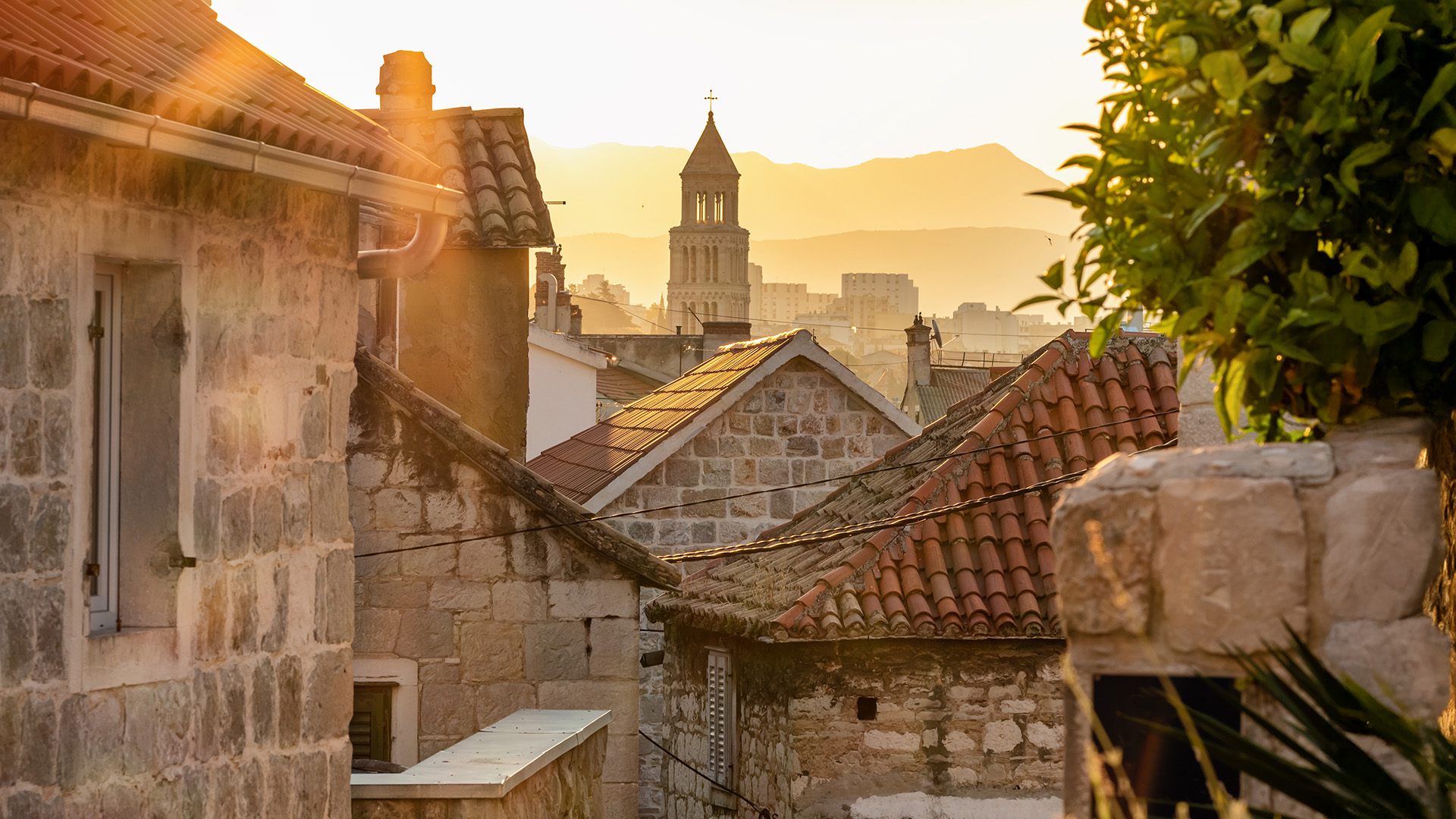
Split-Dalmatia is one of Croatia’s most layered coastal markets because it is not built around a single idea of the Adriatic. It has Split’s Roman centre, Trogir’s medieval craft, Omiš and the Cetina canyon, the Makarska Riviera beneath Biokovo, and the islands of Brač, Hvar, Vis and Šolta arranged across the water in distinct degrees of access, prestige and privacy.
That range is what gives the region its real estate intelligence. A buyer is not choosing only between city and island, or between sea view and rental yield. They are choosing between different forms of Adriatic ownership: a palace-adjacent apartment in Split, a villa on Hvar, a practical rental home on Brač, a quieter island position on Šolta, or a heritage house in Trogir. Split-Dalmatia Real Estate has become increasingly relevant because the region combines beauty with infrastructure, scarcity with liquidity, and lifestyle with clear market demand.
A Coastal Region with Historic Weight
Split remains the anchor of the county. Few European coastal cities carry antiquity as part of daily life with such confidence. Diocletian’s Palace is not a preserved monument outside the city’s rhythm; it is the city’s living centre, with apartments, cafés, restaurants and narrow streets operating within the walls of a Roman imperial complex.
That distinction matters. Split is not only a seasonal address. It is Croatia’s second-largest city, a ferry hub, a cultural centre and a year-round urban base. Its old town, waterfront, Marjan Hill and surrounding neighbourhoods create a form of demand that reaches beyond summer tourism.
The brief places Split among Croatia’s most expensive property markets, with apartments above €4,000 per square metre by early 2026 and prime neighbourhoods below Marjan Hill exceeding €6,100 per square metre. Those figures reflect scarcity as much as appetite. Comparable historic urban stock cannot simply be created, particularly in a city where heritage, location and daily utility overlap so closely.
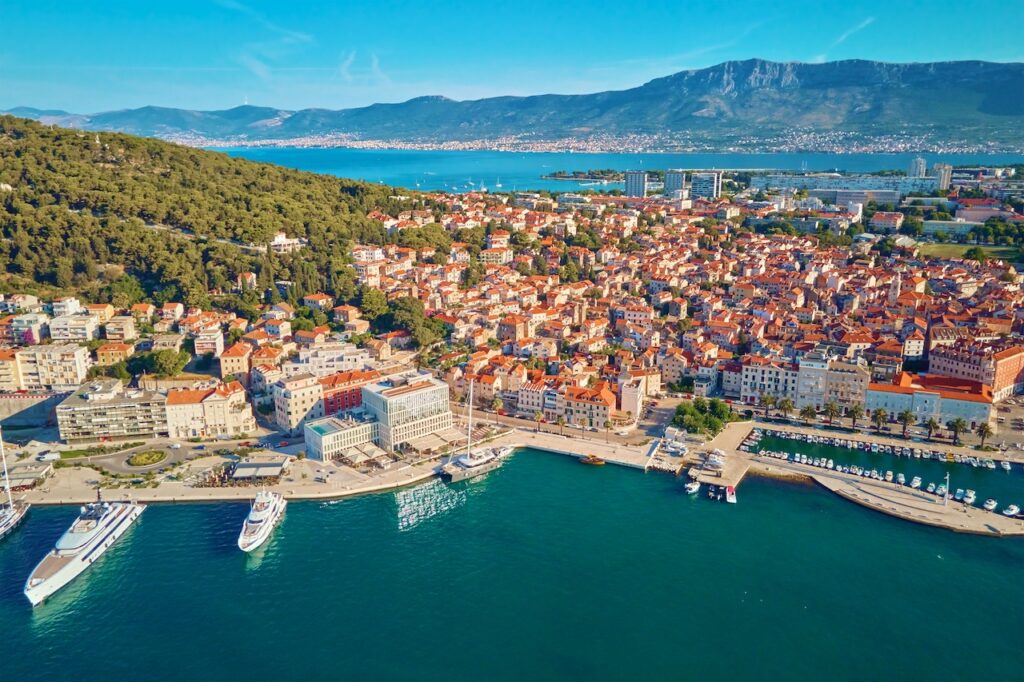
Split-Dalmatia and the Life of the Region
The strength of Split-Dalmatia lies in the fact that its places behave differently while still belonging to one coherent coastal system. Split gives the region its urban centre. Trogir adds UNESCO heritage and a tradition of craft. Omiš brings canyon landscape and adventure. Makarska offers a mountain-backed Riviera. The islands then extend the story outward, each with its own real estate logic.
That variety gives buyers a more precise way to think about ownership. Hvar is not Brač. Brač is not Vis. Šolta is not Split. Yet each is connected by ferries, tourism flows, airport access, seasonal movement and the gravitational pull of the central Dalmatian coast. The region is therefore not one market. It is a constellation of micro-markets, and that is where its sophistication begins.
The Landscape Behind the Coast
The best-known image of Dalmatia is coastal, but the landscape behind the shore is essential to its value. Biokovo rises sharply above the Makarska Riviera, giving the beaches a scale that few Mediterranean coastlines can match. Omiš sits where the Cetina River cuts through limestone before meeting the sea, a setting that gives the town both drama and depth. Trogir, set on a small island between mainland and Čiovo, carries centuries of Romanesque, Renaissance and Baroque architecture within a compact historic fabric.
These are not decorative assets. They shape how people live, travel and buy. A property in Split-Dalmatia may be valued for a terrace, a view or access to the sea, but its long-term relevance often depends on the wider setting: a historic centre, a ferry route, a protected landscape, a marina, a beach, a mountain path or a town that remains active beyond August.
Islands with Distinct Ownership Logic
Brač is often the most practical island choice. Its ferry connection to Split, mature infrastructure and recognised beaches give it strong liquidity and rental appeal. The brief notes apartments around €4,500 to €7,000 per square metre in certain areas, with two-bedroom apartments near Bol or Supetar generating annual rental income of roughly €15,000 to €35,000 and gross yields in the 5 to 8 percent range.
Hvar sits in another category. It carries international recognition, nightlife, wine culture, lavender fields and the UNESCO-listed Stari Grad Plain. The brief cites an island average of around €6,220 per square metre in 2025, with apartments around €8,020 per square metre. Buyers here are paying for identity, scarcity and global visibility as much as for the home itself.
Vis appeals through distance and restraint. Its remoteness has preserved a quieter atmosphere, prized by sailors and buyers seeking a less obvious island life. Šolta, by contrast, sits close to Split and offers a lower-density profile with a more accessible entry point than better-known islands.
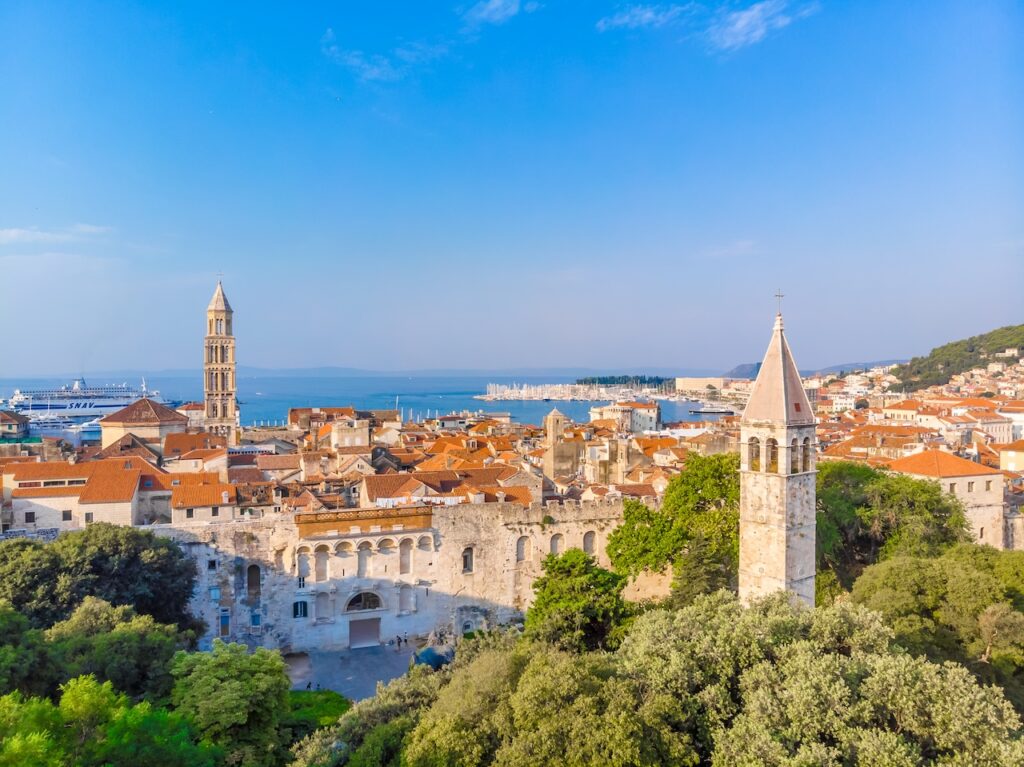
Living Between Palace, Islands and Mountain Coast
Life in Split-Dalmatia is unusually varied within a compact geography. A day can begin in Split’s old town, continue by ferry to Brač, move inland toward the Cetina River, or end along the Makarska Riviera beneath Biokovo. The region allows movement between city, island, mountain and sea without the sense of leaving one world for another.
This is one reason Split has become more visible among remote workers, long-stay visitors and international residents. The brief describes the city as lively year-round, with cafés, bars, coworking spaces and mild Mediterranean weather supporting a more permanent rhythm of life. Saltwater and The Works are among the coworking spaces serving remote professionals, while many continue to work from cafés with reliable Wi-Fi.
For buyers, this matters because usability supports value. A home that can be enjoyed beyond the high season carries a different ownership profile from one dependent on summer alone. Split-Dalmatia offers island life, but it also offers urban services, ferry infrastructure, restaurants, healthcare access, airports, marinas and an increasingly international community.
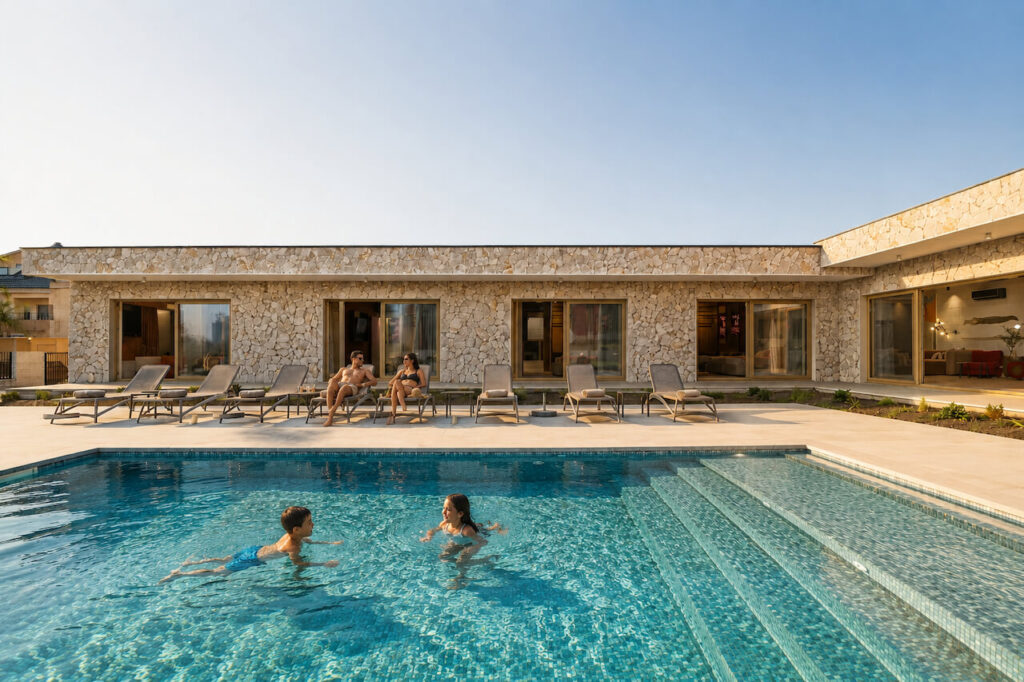
Ownership Shaped by Scarcity and Rental Depth
The property case for Split-Dalmatia is shaped by limited supply. Historic centres are constrained. Island stock is finite. Coastal construction is regulated. Much of the best-positioned housing is already held privately or absorbed into the rental economy. In such a market, the strongest acquisitions are rarely defined by surface appeal alone. They depend on legal clarity, location, access, condition, renovation quality and the ability to serve multiple forms of demand.
The brief identifies Split-Dalmatia as Croatia’s priciest region, with average asking prices around €4,440 per square metre in May 2026. Within Split itself, 2025 asking prices averaged approximately €5,315 per square metre. Even after a decline in transaction volumes in 2025, limited supply and record tourism have continued to support pricing across the county.
This creates a more selective market. The best opportunities are not always the most heavily advertised. They are the homes where the long-term logic is defensible: a rare position, a durable view, strong access, a credible rental profile, architectural integrity and a setting that will remain desirable in ten or twenty years.
City Addresses with Year-Round Demand
Split’s strongest city addresses benefit from a rare combination of heritage and utility. Properties in and around the historic centre attract visitors, but they also serve residents, remote workers and buyers seeking a functional coastal base. Neighbourhoods below Marjan Hill carry particular prestige because they offer proximity to the old town, sea access, greenery and limited supply.
Other areas, including Žnjan, Stobreč and Spinut, have drawn attention for growth, relative accessibility and rental demand. These locations may not carry the same historic symbolism as the palace core, but they can offer practical advantages for buyers focused on liquidity and income.
For Split city property, flexibility is central. A well-located apartment can serve as a personal base, a seasonal rental, a long-stay residence or a future resale asset. That breadth of demand is one of the reasons Split-Dalmatia Real Estate has moved into a more mature phase.
Island Homes with Long-Term Value
The islands require a different kind of reading. Brač offers access and rental performance. Hvar offers prestige and international depth. Vis offers scarcity and atmosphere. Šolta offers proximity to Split with a quieter identity and lower entry levels than the better-known islands.
For buyers seeking homes rather than purely transactional rental assets, these distinctions matter. A Hvar villa may justify its premium through recognition and high-season demand. A Brač apartment may balance personal use with reliable rental performance. A Šolta house may appeal through privacy, limited supply and long-term appreciation potential. A Vis property may be chosen for atmosphere above convenience.
The maturity of Split-Dalmatia lies in this variety. There is no single correct acquisition. There are different forms of value, each suited to a different buyer profile.
Personal Advisory in Split-Dalmatia and Croatia
Buying well in Split-Dalmatia requires more than identifying an attractive home. Many of the region’s most desirable properties sit within layered ownership histories, planning regulations, renovation records, rental rules and heritage considerations. This is especially true in historic centres, older stone houses, island settings and properties close to protected coastline.
Baerz approaches the Croatian market through buyer representation rather than simple property presentation. The role is to help clients understand which opportunities carry genuine long-term value, which risks require deeper review, and which locations match the way the property will actually be used. In Split-Dalmatia, that means distinguishing between seasonal rental performance and year-round usability, visible charm and structural quality, asking-price ambition and defensible market value.
Guidance for a Fragmented Coastal Market
Split, Trogir, Omiš, Makarska, Brač, Hvar, Vis and Šolta each behave differently. Title checks, access, permits, renovation records, rental permissions and future infrastructure can all affect the strength of an acquisition. A seafront apartment, a palace-adjacent city home, an island villa and a traditional stone house may each appear straightforward from the outside, yet require very different diligence.
Baerz helps buyers move through that complexity with discretion and structure. The objective is not to widen the search endlessly, but to refine it around lifestyle, legal clarity, asset quality, rental logic and long-term ownership meaning.
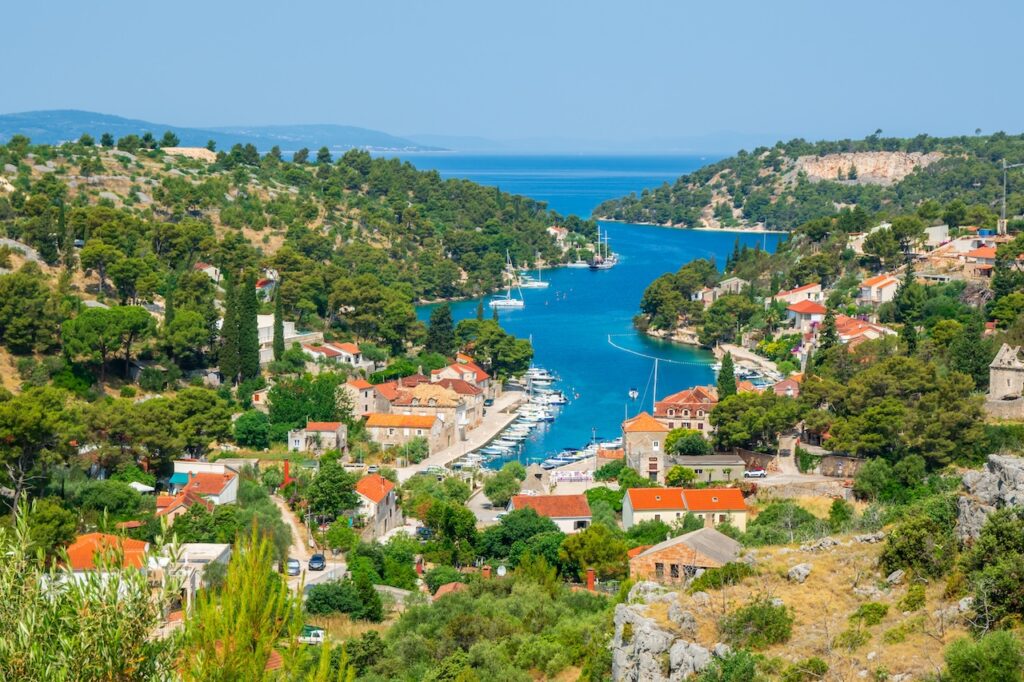
The Broader Croatian Market Context
Croatia’s property market has experienced strong post-pandemic growth, particularly along the coast. The brief notes national average property prices around €2,900 per square metre in January 2026, with coastal homes commanding substantial premiums over inland regions. Analysts expect more moderate growth in 2026 after several years of sharp appreciation, while transaction volumes have cooled under tighter lending conditions.
This context matters because Split-Dalmatia sits at the premium end of a wider Croatian coastal market shaped by tourism, limited supply, EU membership, euro adoption and international buyer interest. At the same time, the market has become more discerning. Some sellers continue to price ambitiously, and not every coastal asset justifies its asking level.
For disciplined buyers, that shift is useful. It places greater emphasis on due diligence, negotiation, asset quality and local understanding. The long-term fundamentals remain strong, but the market no longer rewards indiscriminate acquisition.
The Enduring Virtues of Split-Dalmatia
The lasting appeal of Split-Dalmatia comes from the fact that its value is not built on one seasonal narrative. Split has Roman and urban gravity. Trogir carries craft and UNESCO heritage. Omiš brings canyon landscape and fortress history. Makarska has the force of Biokovo behind it. Brač offers access. Hvar offers prestige. Vis offers rarity. Šolta offers quiet proximity.
Together, they create a region where property can serve several purposes at once: lifestyle base, rental asset, family home, island retreat, city apartment or long-term hold. The strongest homes are connected to something larger than their own specification. They are held within a network of ferries, old towns, protected settings, tourism flows and finite coastal supply.
That is the art of owning here. It is not only choosing the most beautiful view. It is understanding which part of the region best supports the life, use and long-term value a buyer wants to build around it.
FAQs About Buying and Living in Split-Dalmatia
Is Split-Dalmatia a good place to live year-round?
Yes, especially for buyers who want a coastal base with real infrastructure rather than a purely seasonal setting. Split remains active throughout the year, with services, restaurants, ferries, healthcare, coworking spaces and a growing international community. Some islands and smaller coastal towns become quieter outside summer, so year-round living depends heavily on location.
Where is the best place to buy property in Split-Dalmatia?
The best location depends on the ownership goal. Split is strongest for year-round use, liquidity and urban rental demand. Brač offers access and stable rental performance. Hvar suits buyers seeking prestige and international recognition. Vis is more limited and atmospheric. Šolta appeals to those looking for quieter island ownership close to Split. Trogir, Omiš and the Makarska Riviera offer additional options for heritage, adventure and coastal lifestyle.
Is Split-Dalmatia Real Estate expensive compared with the rest of Croatia?
Yes. Split-Dalmatia is among Croatia’s most expensive real estate regions, and Split itself commands some of the country’s highest apartment prices. The brief cites apartments in Split above €4,000 per square metre in early 2026, with prime neighbourhoods below Marjan Hill exceeding €6,100 per square metre. Prices vary significantly by condition, view, location, building quality and legal clarity.
Can foreigners buy property in Croatia?
Foreign buyers can purchase property in Croatia, although rules depend on nationality and reciprocity agreements. EU citizens generally buy under similar conditions to Croatian citizens, while non-EU buyers may need additional approvals. Proper legal due diligence is essential, particularly for older homes, inherited properties, island houses and assets in protected or heritage-sensitive areas.
Which islands near Split are best for property investment?
Brač is often one of the strongest investment choices because of its ferry access, mature infrastructure and rental performance. Hvar offers prestige and international demand at a higher entry price. Šolta has lower entry costs and limited supply, which may support long-term appreciation. Vis appeals to buyers seeking scarcity and authenticity, though its remoteness requires a more selective ownership strategy.
Is property in Split-Dalmatia a good long-term investment?
The strongest assets can be compelling long-term investments when acquisition discipline is applied. The region benefits from limited coastal supply, UNESCO heritage, strong tourism, island scarcity and international demand. That said, transaction volumes have cooled, and some asking prices may sit above achievable closing levels. Quality, legality, location and rental viability matter more than ever.
What rental yields can buyers expect in Split-Dalmatia?
Yields vary by location, property type and management. The brief cites 5% to 8% gross yields for two-bedroom apartments on Brač and 4% to 7% for Šolta apartments, while Split city apartments can also perform strongly because of tourist and year-round demand. High purchase prices on Hvar may reduce percentage yields, even when rental income is substantial.