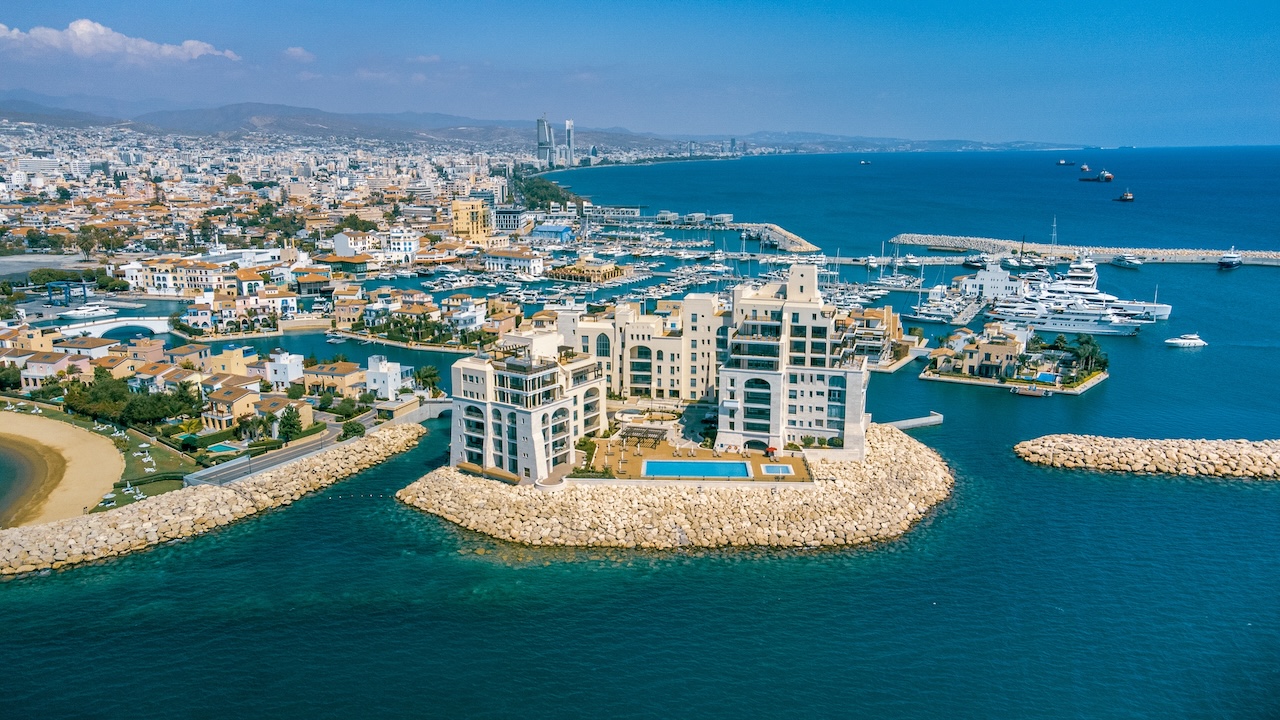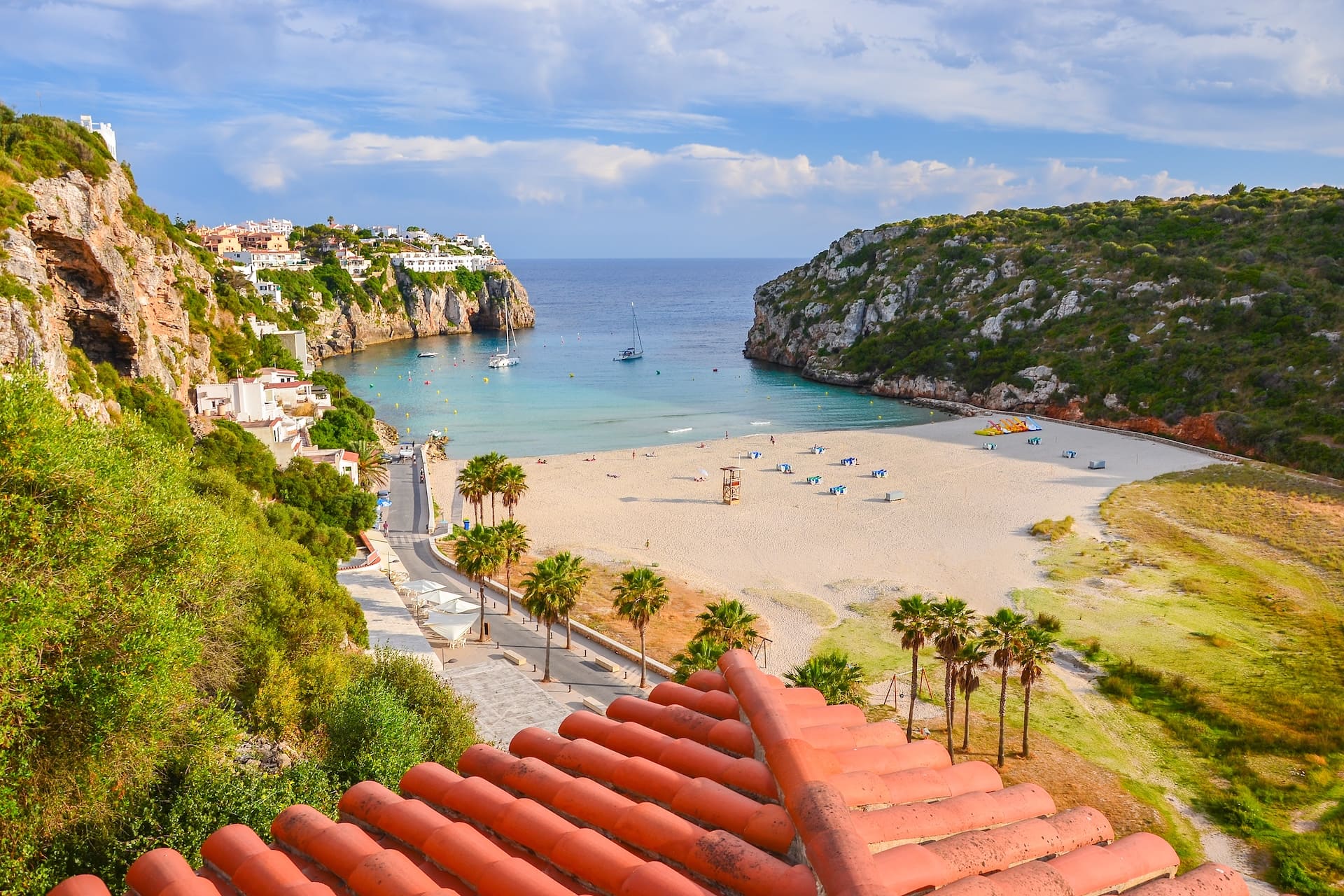











Southern Europe property markets are becoming the challenger belt for mobile wealth
For years, cross-border residential wealth moved through a familiar hierarchy. London, Paris, Geneva and a narrow circle of legacy enclaves carried the language of security, status and continuity, while Southern Europe was often treated as a secondary lifestyle play. That hierarchy is now being adjusted rather than abandoned. What is changing is not the role of the traditional capitals, but the breadth of choice among affluent buyers who no longer need one city or one coastline to perform every function at once.
As a result, Madrid, Puglia, the Algarve and the Costa del Sol are being grouped together less by geography than by behavior. Each market is benefiting from buyers who want climate, culture, infrastructure and relative value in the same equation. At the upper end, that equation has become more disciplined. Wealth is still paying for access, but it is also paying closer attention to entry points, renovation upside, tax treatment, schooling, air connectivity and the quality of daily life once the viewing trip ends and ordinary routines begin.
This is why Southern Europe property markets now deserve to be read as a challenger belt. The term matters because it describes a pattern of capital allocation rather than a passing taste. Buyers from Latin America, North America and Northern Europe are widening the map beyond legacy capitals and obvious trophy districts. In turn, brokers, developers and advisers are being asked to package a more layered proposition, one that combines city utility, lifestyle credibility and long-term ownership logic instead of relying on square footage or sea views alone.
Madrid is repositioning from cultural capital to capital destination
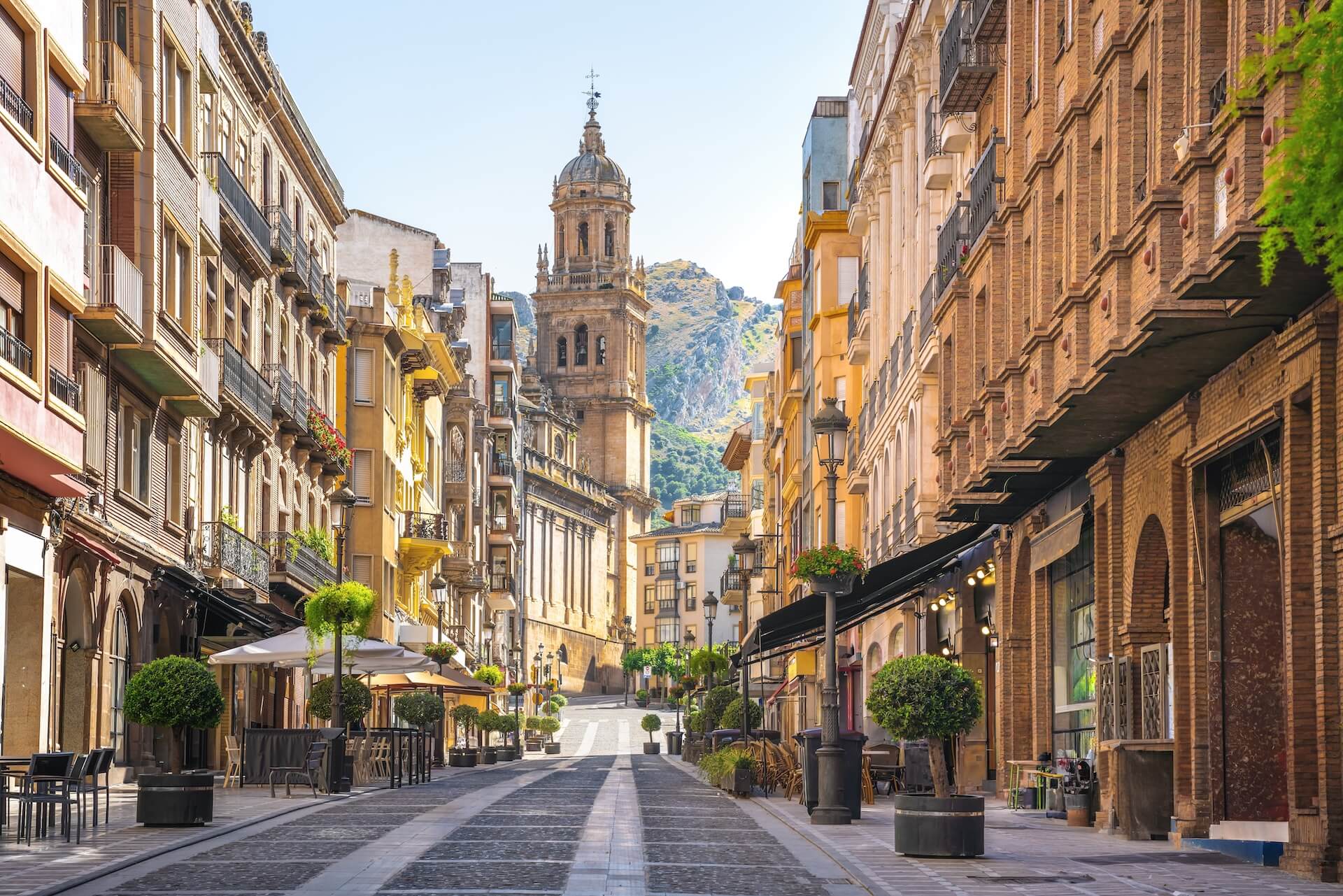
Madrid sits at the center of this shift because it can absorb several buyer motivations at once. It offers the institutional solidity of a major European capital, yet it still retains pricing dynamics that compare favorably with the most established wealth havens. That gap has not gone unnoticed. Knight Frank’s framing of Madrid as a challenger city reflects a broader market truth: buyers who once concentrated only on the most obvious prime districts are now widening their search into neighborhoods that deliver character, walkability and architectural texture without the same premium entry threshold.
Justicia has become a signal district rather than a fringe choice
In that context, Justicia matters because it represents the way foreign demand moves once a city’s core prime areas begin to harden on price. The district carries the kind of urban conditions internationally mobile buyers understand immediately. The building stock is attractive, the street pattern is legible, hospitality and retail are integrated into daily life, and the neighborhood still feels lived in rather than staged. That distinction is increasingly valuable, because wealthy buyers are not simply looking for polished inventory. They are also looking for districts that can carry identity over time.
Accordingly, Justicia’s appeal is not reducible to style. It works because it gives foreign buyers an answer to a more practical question: where in Madrid can one buy into the city’s cultural and social circuitry without sacrificing ease, service access and long-term relevance. That is exactly the kind of submarket pressure now emerging across Southern Europe property markets. Demand is not lifting every street equally. Instead, it is compressing into walkable, renovated, design-conscious pockets with strong daily usability.
Renovated heritage stock is becoming the first battleground
That movement has immediate commercial consequences. Once a district like Justicia becomes internationally legible, the competition shifts quickly toward renovated heritage apartments and buildings that preserve architectural character while resolving modern expectations around layout, climate control, concierge infrastructure and privacy. Buyers at this level rarely want speculative novelty for its own sake. They want homes that feel authored, but they also want the operational ease that supports part-time use, family occupation or eventual relocation.
Therefore, agencies active in Madrid are no longer competing only on access to listings. They are competing on interpretation. The winning advisory model is not just neighborhood knowledge, but the ability to explain how one district differs from another in schooling catchment, future supply, renovation risk, design quality and ownership profile. Madrid’s rise is not a broad-based story of universal uplift. It is a story of selective pressure moving into the right urban fabric.
Southern Europe property markets are rewarding specificity over scale
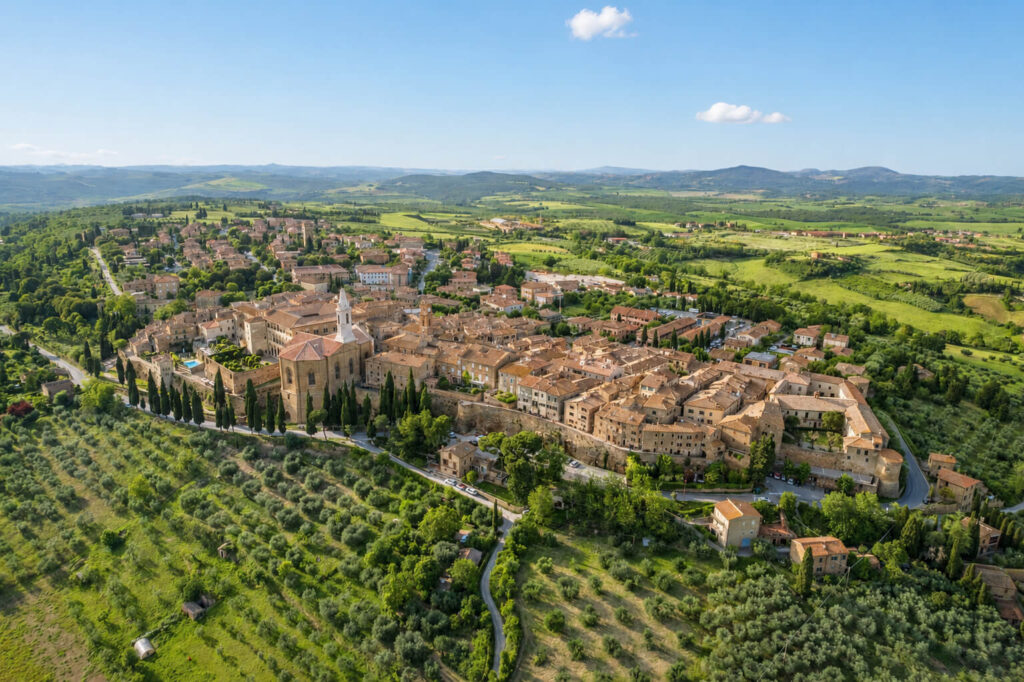
That same logic explains why Puglia has gained such durable international attention. Tuscany still holds deeper global recognition and a more established prestige code, yet Puglia has increasingly drawn buyers who are less interested in inherited hierarchy and more interested in what a place can still become under intelligent ownership. The appeal is partly emotional, but the decision is rarely sentimental. It is strategic.
Puglia offers entry, authorship and tax-aware upside
The Financial Times has highlighted three forces behind sustained buying interest in Puglia: tax advantages, renovation-led opportunity and lifestyle appeal. Taken together, those three elements form an unusually coherent ownership proposition. First, the entry point remains more accessible than in Italy’s most established prestige regions, which means buyers can direct more capital toward transformation rather than simply paying for prior recognition. Second, the renovation story matters because it allows ownership to become an act of authorship. Buyers are not merely purchasing a finished emblem; they are shaping an asset with architectural, operational and personal intent.
That distinction is especially important for internationally mobile wealth, because many buyers now want houses that can function as both private refuge and portfolio-grade holding. In Puglia, restored masserie, carefully reworked village houses and countryside properties with design discipline can satisfy that ambition. They offer experiential depth, but they also offer scarcity when executed correctly. The market rewards curation. It does not reward indiscriminate renovation or generic “luxury” upgrades detached from local building logic.
Tuscany remains the benchmark, yet benchmark status invites comparison
Even so, Puglia’s rise should not be misread as a simple substitution story. Buyers are not necessarily abandoning Tuscany. Rather, they are using Tuscany as the benchmark against which other Italian regions are assessed. Once that comparison begins, Puglia benefits from relative value, lower crowding, fresher design narratives and the sense that meaningful opportunity has not yet been completely arbitraged away.
For brokers and developers, that creates a different kind of competitive environment. The conversation is no longer only about destination prestige. It is about who can identify the right micro-location, the right structure and the right architectural intervention before the market standardizes around them. In practical terms, that means renovated heritage stock in Southern Italy is likely to face sharper scrutiny as more foreign buyers move from exploratory interest to acquisition intent.
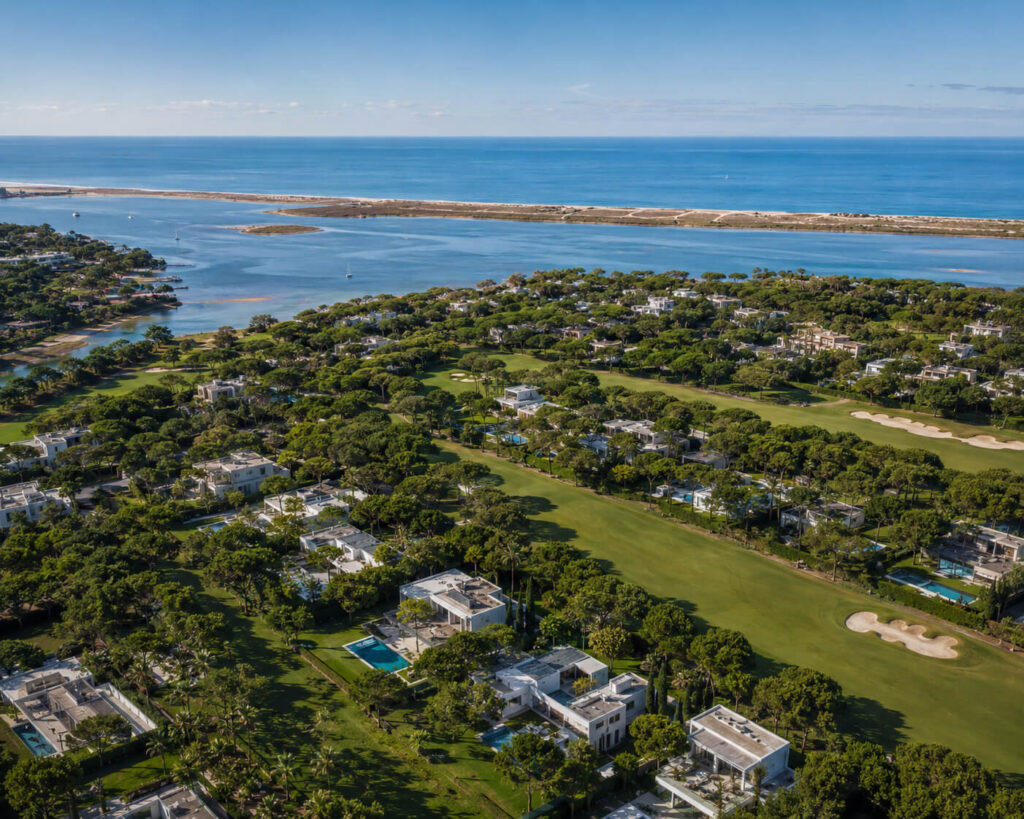
The resort markets are no longer purely seasonal leisure purchases
The Costa del Sol and the Algarve have long been associated with golf, resort infrastructure and second-home ownership. That remains true, yet it is no longer the whole story. The more revealing shift is that a meaningful share of demand is now tied to permanent or semi-permanent relocation. This changes how those markets should be read.
When second-home demand dominates completely, the emphasis tends to fall on seasonality, rental economics and leisure amenities. However, when a serious minority of buyers are planning to live there for extended periods or relocate outright, the screening criteria deepen. Schools, healthcare access, year-round service quality, airport convenience, residential management and the ability to sustain a full calendar of life begin to matter as much as golf or coastline.
Costa del Sol and the Algarve are moving from holiday logic to life-platform logic
That transition is commercially significant because it broadens the product types that can succeed. In the past, resort markets could rely heavily on homes designed for intermittent use. Now, buyers increasingly want residences that support ordinary permanence without losing leisure value. They are looking for turnkey villas, serviced apartments, branded residences and well-managed compounds that allow for low-friction living across longer occupancy periods.
This is where the distinction between old resort positioning and current market behavior becomes useful. If the Costa del Sol remains heavily second-home led, as the Financial Times reports, the presence of a meaningful relocation cohort still changes the architecture of demand. It means that these locations are evolving from seasonal escape valves into hybrid life platforms. The Algarve is benefiting from the same broader reappraisal. It offers climate, sports infrastructure and a known international community, yet it also increasingly sits inside a rational comparison set for buyers evaluating where a family or a principal could spend far more of the year.

Golf remains a hook, but infrastructure closes the deal
Golf still matters because it acts as a shorthand for maintenance standards, landscape control, service culture and social networks. Yet affluent buyers do not relocate because a destination has courses. They relocate because the wider ecosystem feels durable. Consequently, the real competition between the Costa del Sol and the Algarve is not about leisure branding alone. It is about which market can better convert a second-home inquiry into a longer-term commitment.
That is why agencies operating in these regions must now speak in a broader register. They need to understand tax residency pathways, school options, community composition, healthcare access and year-round mobility just as clearly as they understand front-line premiums or club memberships. In a market shaped by mobile wealth, lifestyle without infrastructure becomes thin very quickly.
Growth is concentrating in selected submarkets, not entire regions
Savills’ forecast of relatively stronger prime residential growth in Madrid, Barcelona and Lisbon versus many mature peers adds a further layer to this picture. It suggests that the re-rating of Southern Europe is not merely anecdotal. Yet the more important point is how that growth is likely to express itself. It is unlikely to arrive as a uniform uplift across whole cities or coastlines. Instead, it will continue to concentrate where international demand, constrained supply and immediate usability converge.
That concentration pattern should shape strategy on both the agency and development side. In cities, the pressure will likely fall on renovated apartments and design-led product in walkable districts with established identity. In resort and lifestyle markets, the premium will strengthen around homes that reduce operational friction while preserving local character. In Italian destinations, that means renovations that understand vernacular architecture rather than erase it. In Spain and Portugal, it means urban and coastal stock that feels contemporary but not placeless.
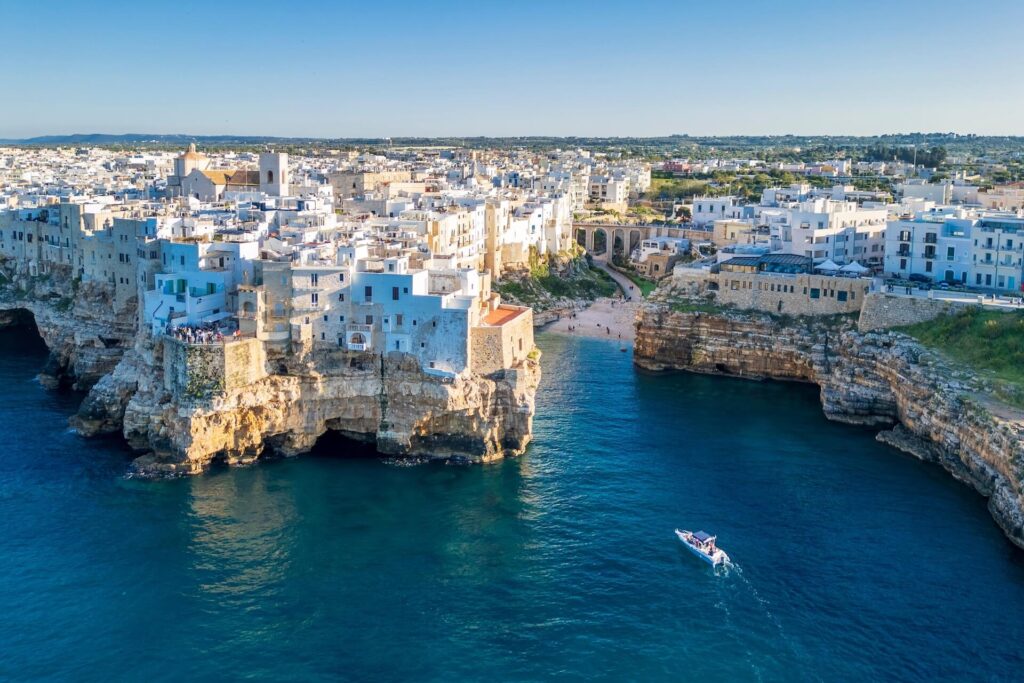
The real pricing pressure is local, selective and design-sensitive
For buyers, this creates a narrower window than the broad Southern Europe narrative might imply. The headline opportunity still exists, but the most compelling submarkets are becoming better known. Therefore, pricing pressure should intensify in specific areas rather than across entire geographies. Justicia is not the same as all of Madrid. Puglia is not interchangeable with every southern Italian destination. Nor are the Algarve and Costa del Sol simple catch-all categories. The premium attaches to districts, villages, developments and product formats that satisfy a more exacting cross-border brief.
For advisers, that means the old playbook of marketing “a region” is losing force. Sophisticated buyers want to understand why one street, one building type or one planning profile deserves attention while another does not. They also want to understand what happens next. Is a district moving from local secret to institutionalized luxury? Is a coastal market deepening into a relocation zone? Is a renovation trend creating enduring scarcity or merely aesthetic sameness? Those are the questions defining the next cycle across Southern Europe property markets.
What this means for brokers, developers and private advisers
The commercial advantage now belongs to those who can connect several layers of decision-making without overexplaining any of them. Square meters still matter, of course, but they are no longer the organizing principle of the sale. Instead, high-conviction demand is gathering around combinations of climate value, cultural density, tax efficiency, schooling, accessibility, design quality and the credibility of the surrounding neighborhood or resort ecosystem.
As a result, agencies that can package city, lifestyle, tax and schooling in one coherent frame will outperform those still relying on aspirational imagery or generic claims of exclusivity. Developers, meanwhile, should expect stronger competition for renovated heritage stock, design-led apartments and branded or serviced residences in districts with walkable daily life. The challenge is not simply to deliver luxury. It is to deliver relevance in places where affluent buyers can imagine both immediate use and long-term significance.
That is the quiet structural change moving through the market. Southern Europe is no longer just the leisure backdrop to Northern wealth or a softer alternative to more expensive capitals. It is becoming a more deliberate destination for mobile capital that wants optionality without sacrificing quality. The opportunity, therefore, lies not in the broad story alone, but in identifying the precise submarkets where that story hardens into durable demand.
FAQ About Southern Europe property markets
Why are wealthy buyers moving to Southern Europe?
Wealthy buyers are increasingly drawn to Southern Europe because it offers a stronger lifestyle-to-price ratio than many legacy prime markets. In practice, that means access to climate, culture, connectivity and quality housing at entry points that often remain below the most established wealth havens. At the same time, tax considerations, schooling and the ability to divide time between several residences are making the region more compelling for internationally mobile families.
Is Madrid a good city for international property buyers?
Madrid has become increasingly attractive to international buyers because it combines capital-city infrastructure with relative value compared with more mature prime markets. Districts such as Justicia are gaining attention because they provide walkability, architectural character and strong day-to-day usability, while still feeling more attainable than the city’s most traditional prime enclaves. For many buyers, Madrid now works as both a lifestyle base and a long-term capital play.
Would Puglia be better than Tuscany for property investment?
Puglia is not replacing Tuscany outright, yet it is increasingly competing with it for internationally minded buyers. The appeal lies in lower entry points, renovation-led upside and the chance to acquire architecturally distinctive properties before pricing becomes fully normalized. Tuscany remains the benchmark for prestige, but Puglia appeals to buyers who value authorship, relative value and a less saturated ownership narrative.
Costa del Sol or Algarve: which is better for relocation?
The answer depends on whether you’re prioritizing second-home use or year-round living. Costa del Sol remains heavily second-home led, yet it is also attracting buyers who intend to relocate permanently or for longer periods. The Algarve offers a similarly strong lifestyle proposition, but the better choice usually comes down to schooling, healthcare access, connectivity, community profile and the ease of daily life outside the peak season.
Will Southern Europe property prices keep rising?
Price growth is likely to remain strongest in selected submarkets rather than across whole cities or regions. Walkable districts, renovated heritage stock, branded or serviced residences and design-led homes in well-connected areas should continue to face demand pressure. The broad regional story remains supportive, but buyers should expect the sharpest movement in places where scarcity, usability and international appeal overlap.