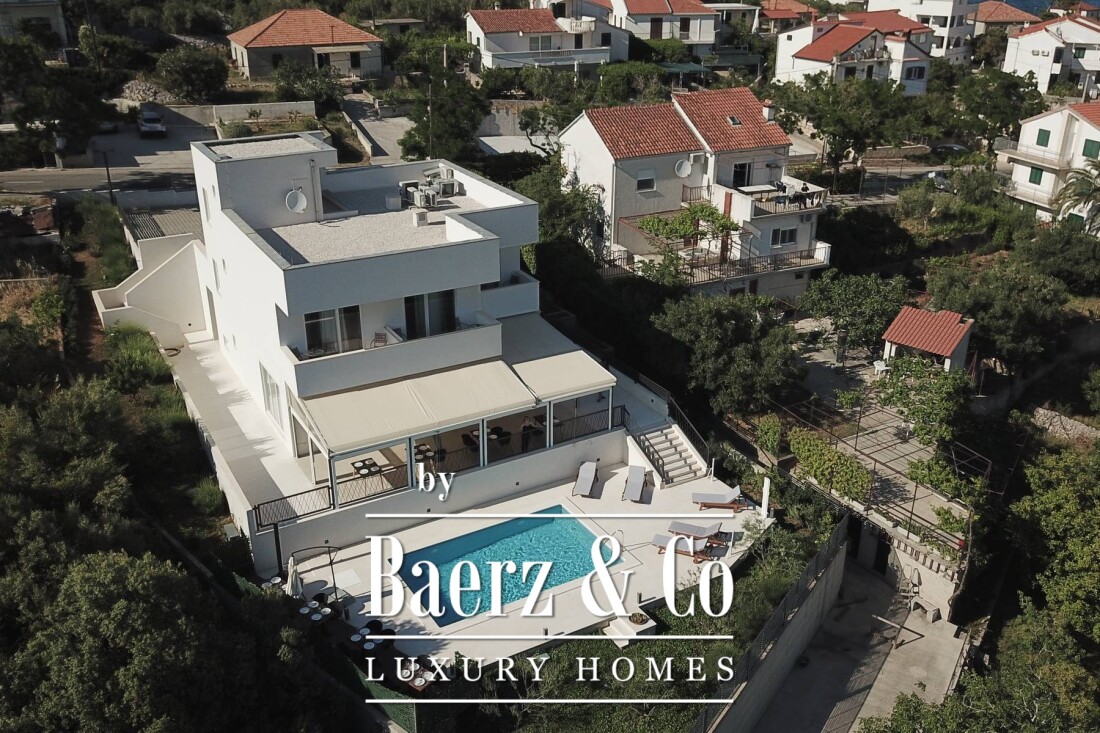
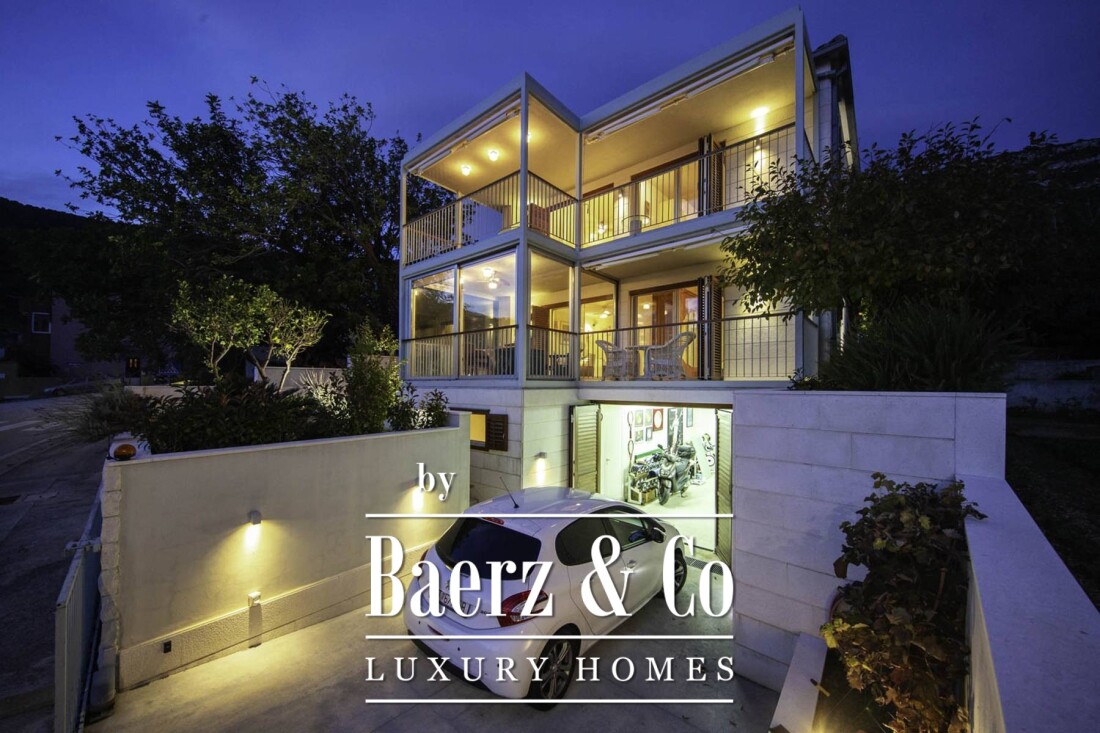
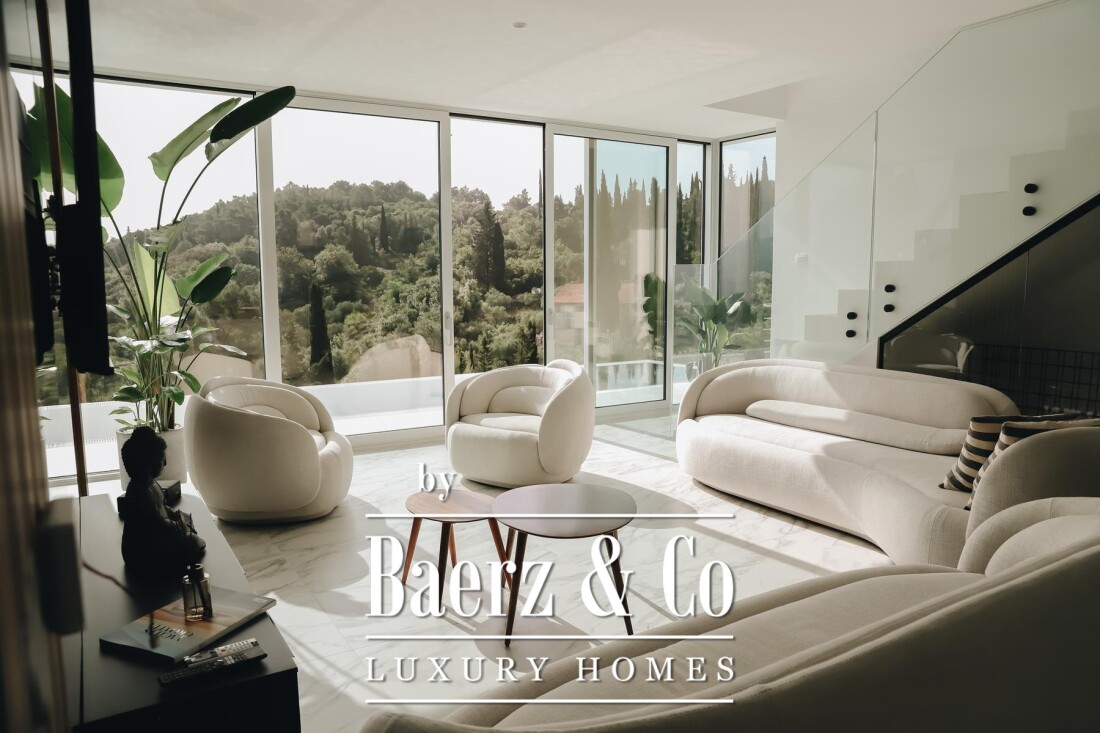
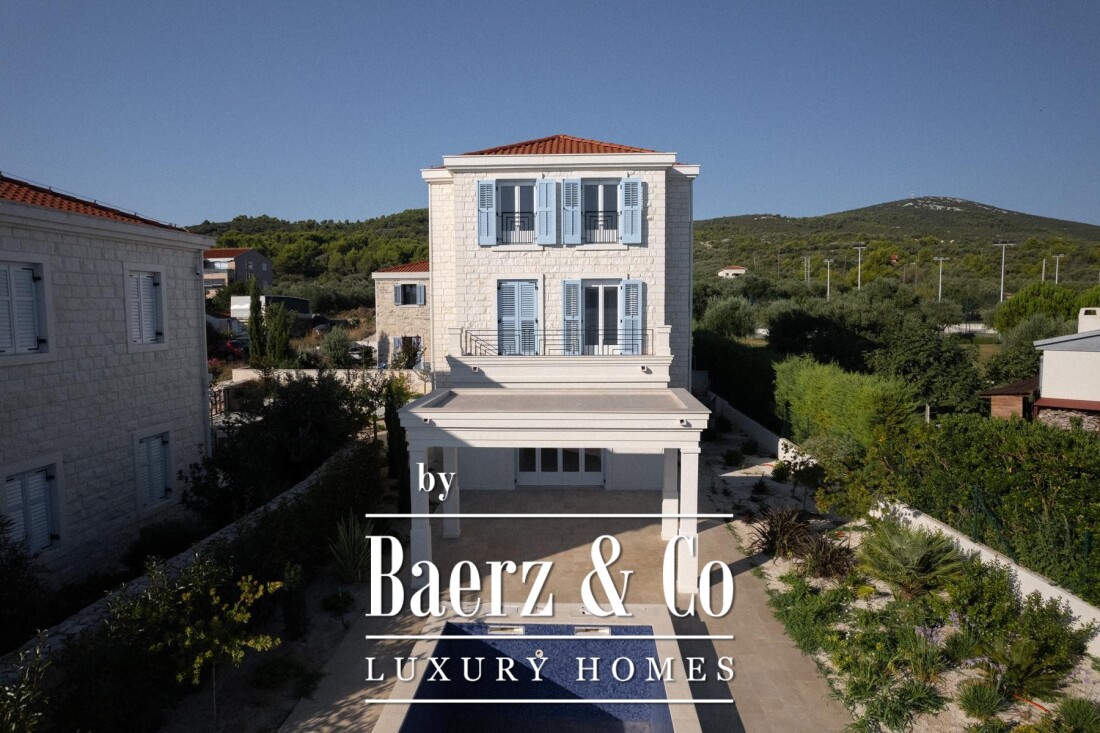
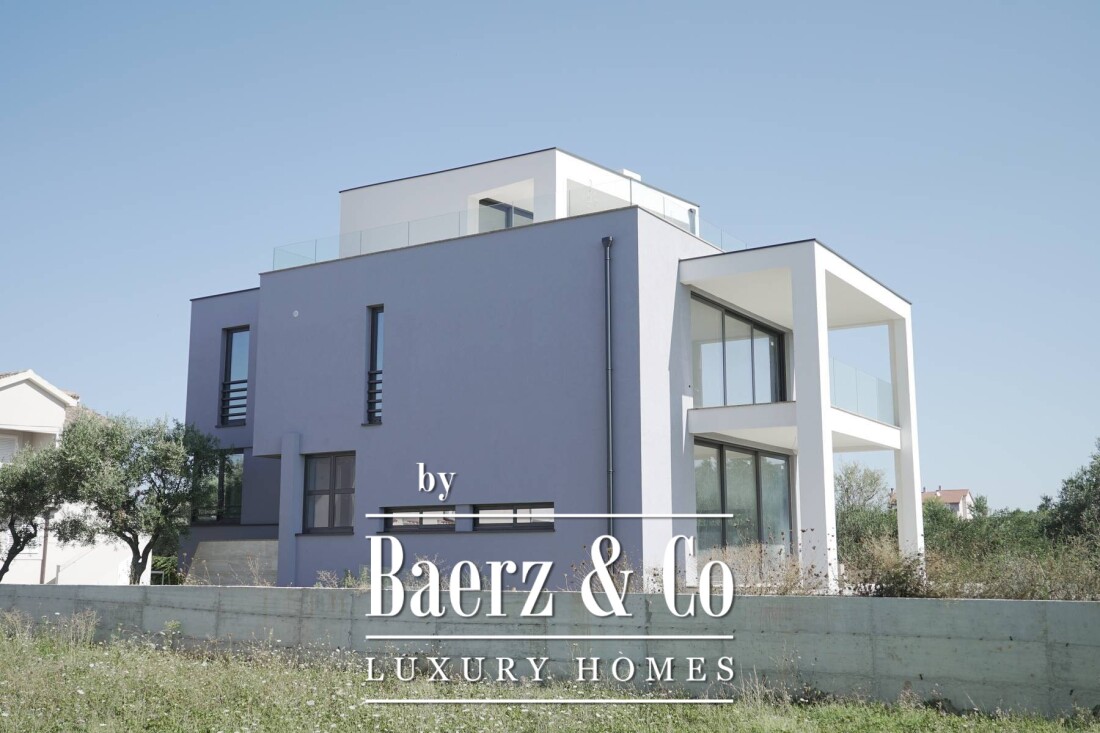
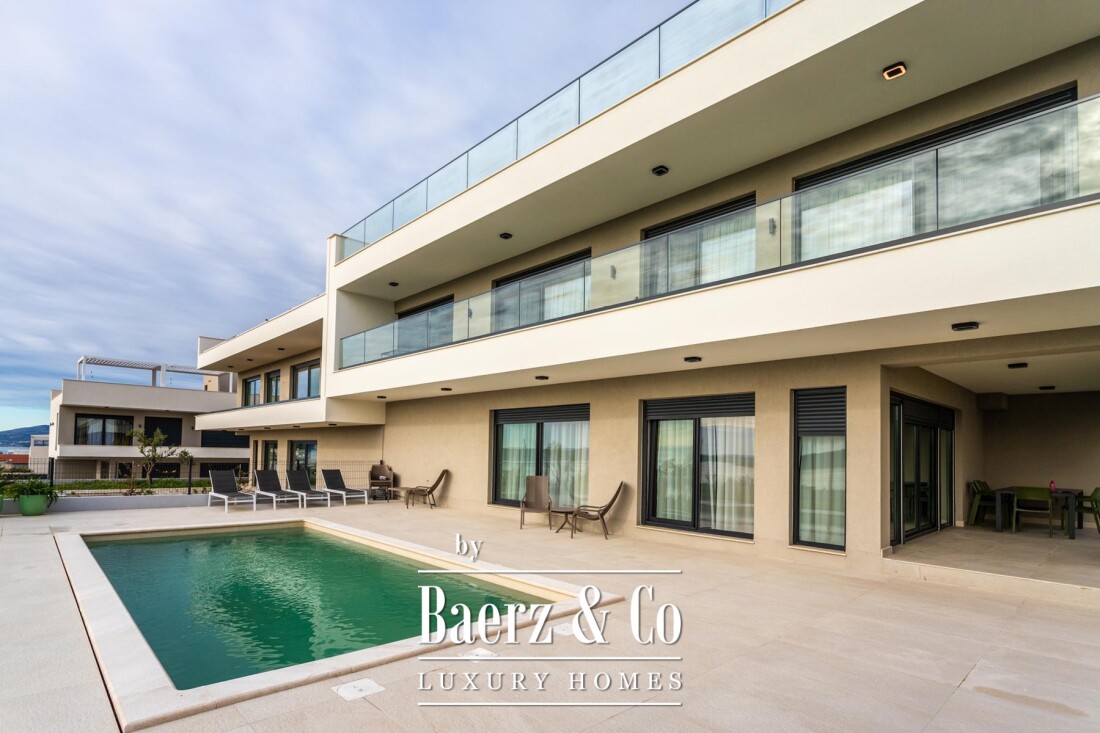
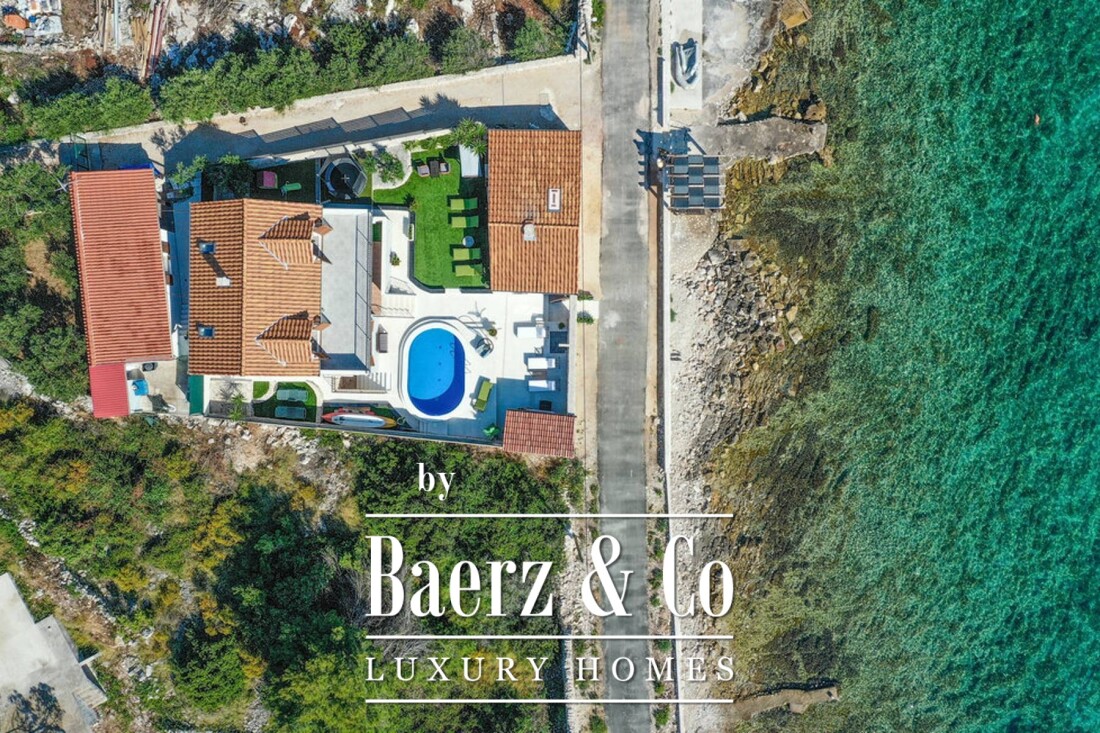
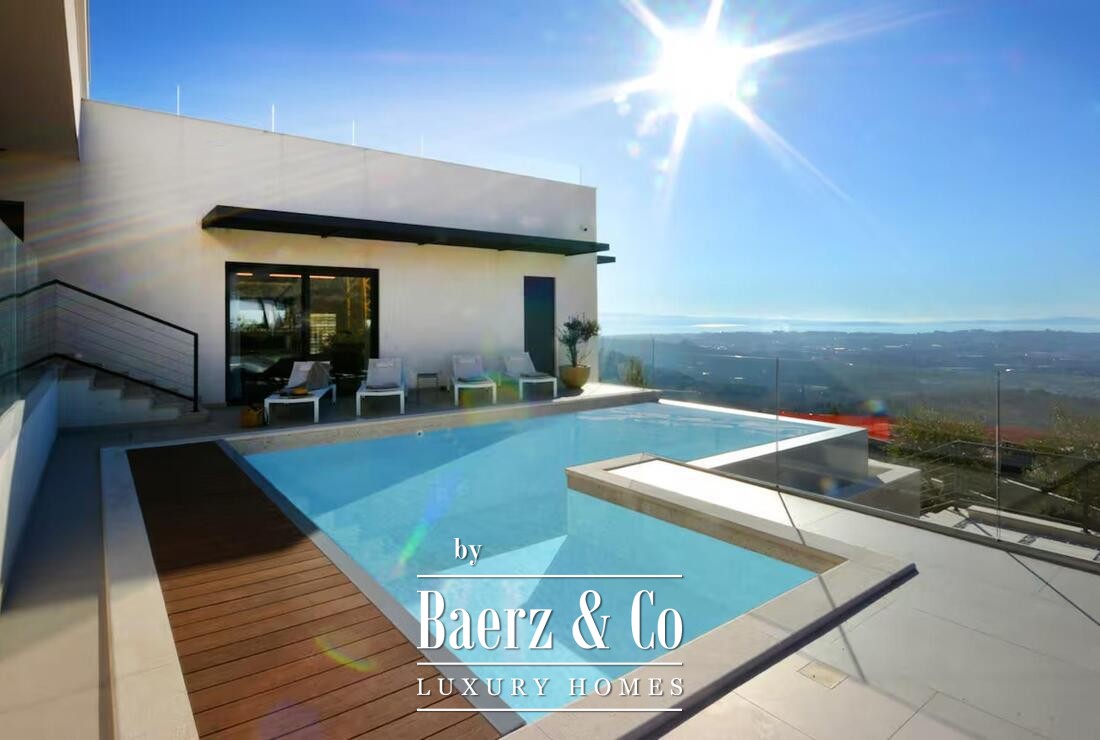
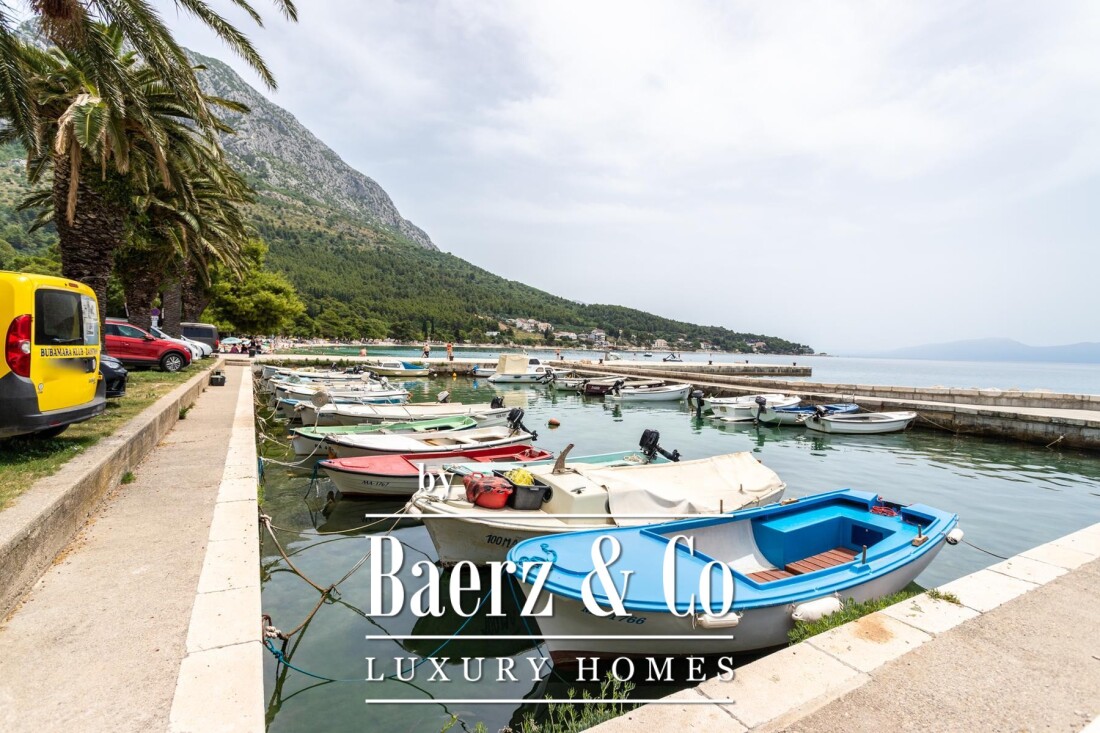
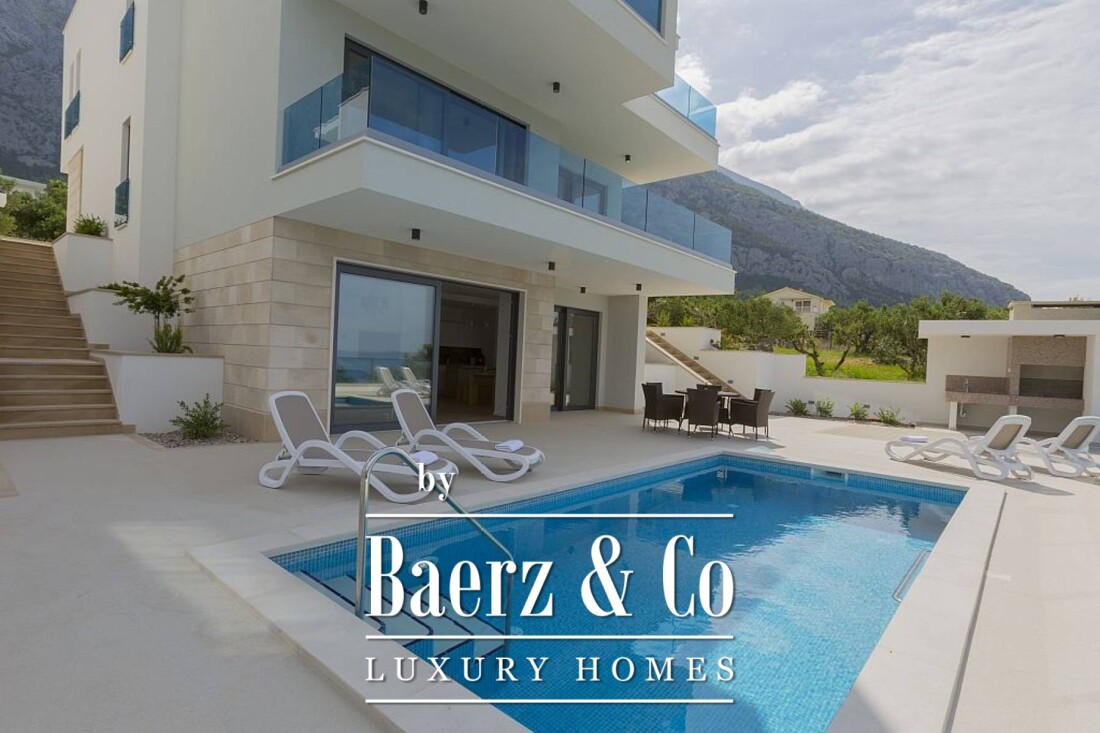
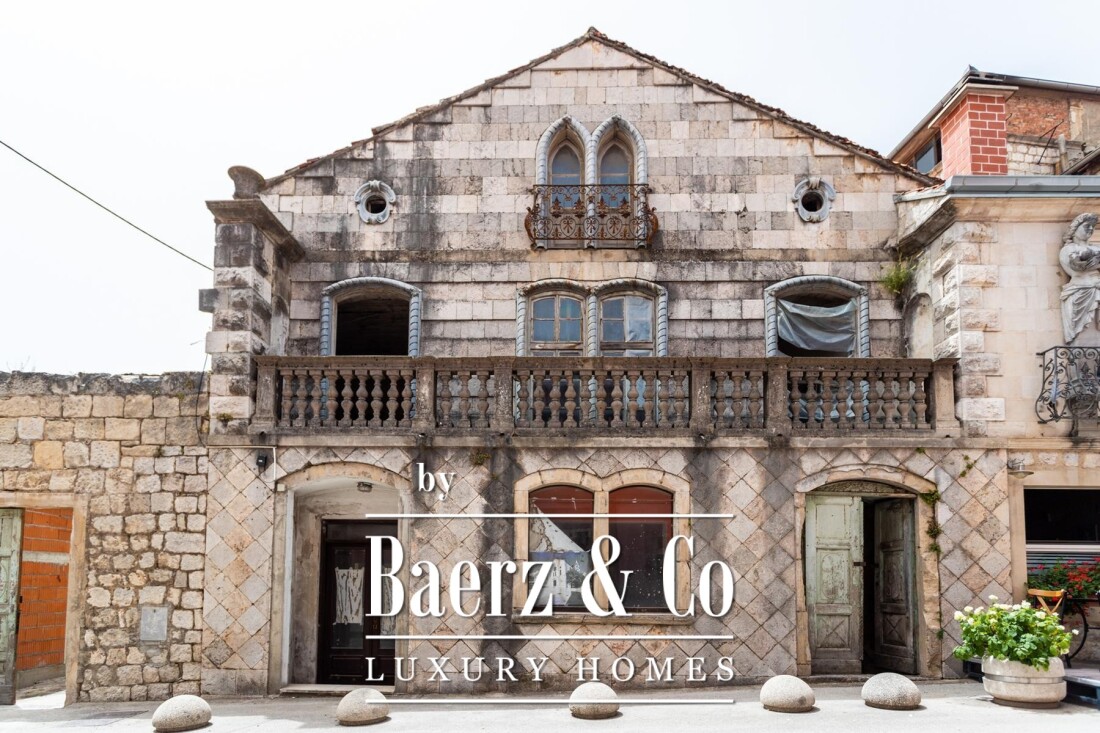
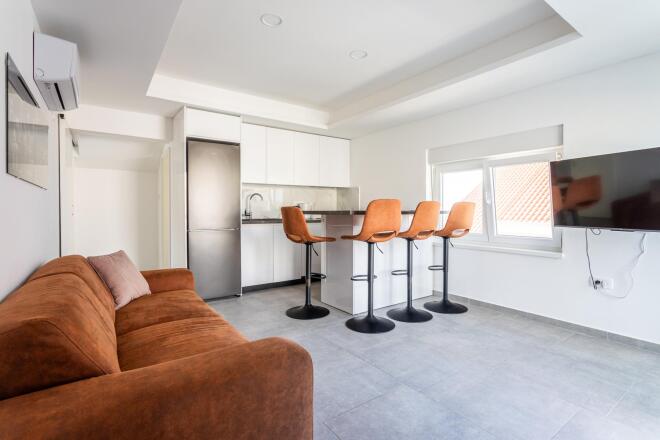
The Solin - Okolica luxury market is defined by limited supply and growing international demand, especially for contemporary estates offering Adriatic views or historic elements. Market activity is driven by buyers seeking secondary homes or long-term holdings, sustaining measured price appreciation and producing steady transaction cycles rather than speculative surges.
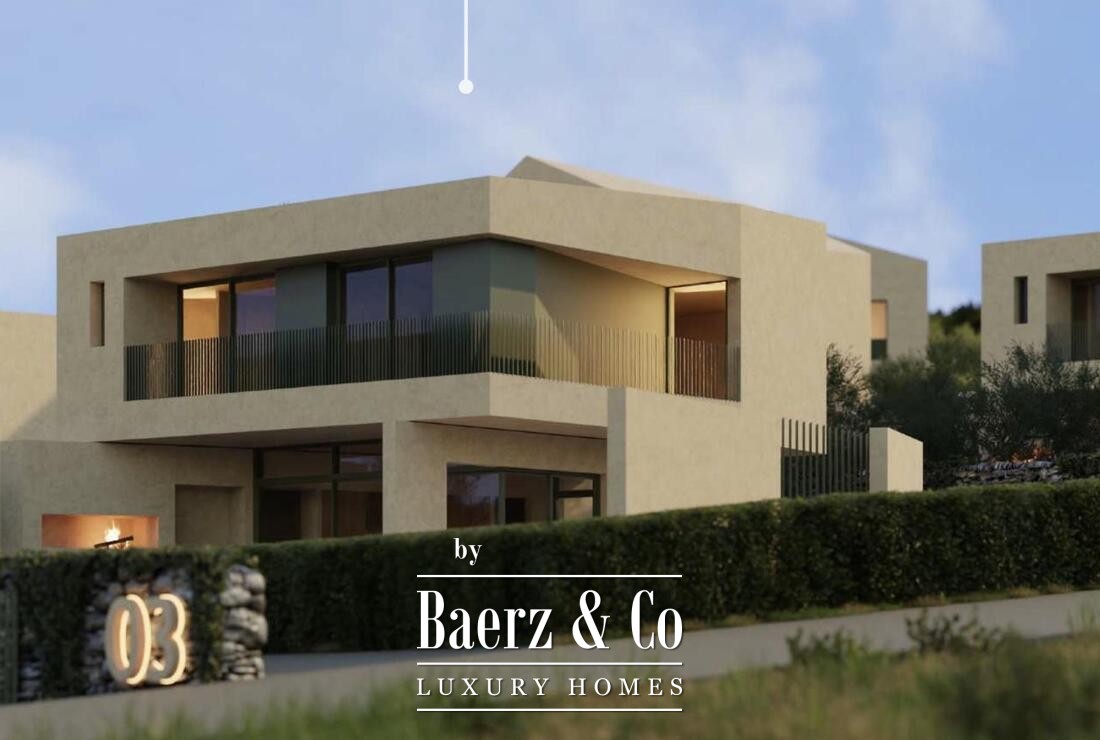
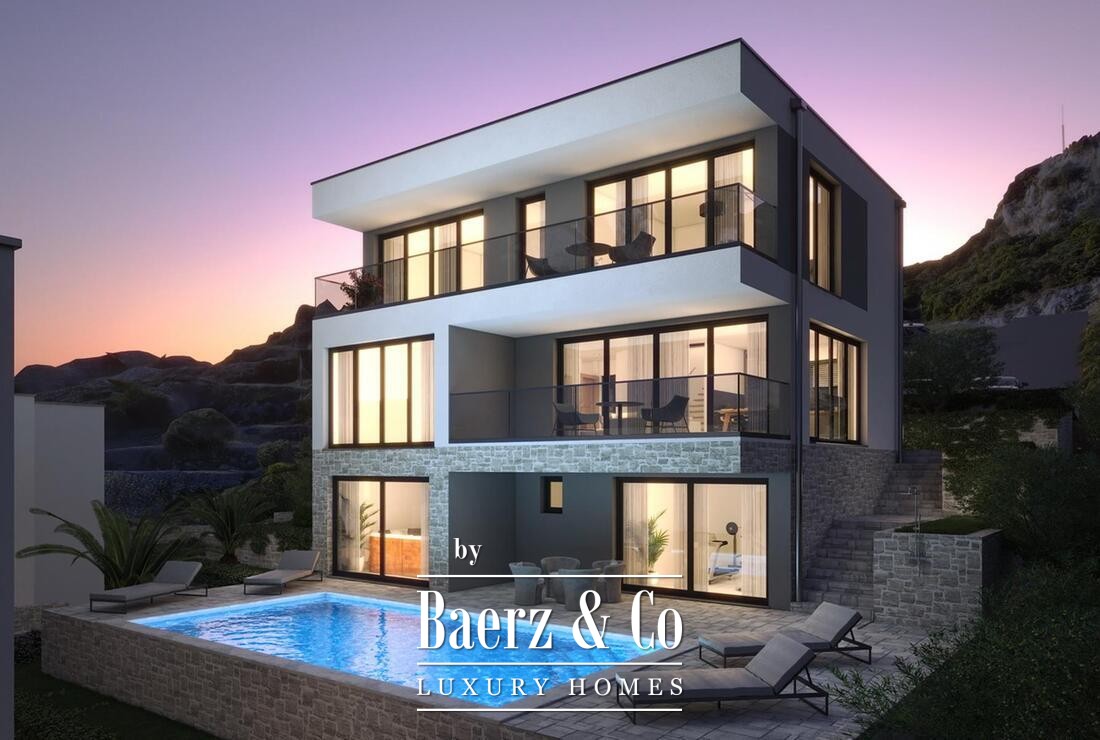
Most prestige homes are found in peripheral estates situated just outside Solin’s urban core. Areas to the south and east, which overlook Roman ruins and natural parklands, attract those desiring larger plots and enhanced privacy. View corridors toward the islands or Split’s skyline add distinction. Smaller properties closer to the town centre appeal to investors seeking shorter holiday lets. New developments integrate local materials with modern design, leveraging hillside topography for panoramic views, while restored stone residences blend classic character with low-key luxury. Market movement tends to be steady yet selective—transactions are typically private, facilitated by trusted local intermediaries.
The area’s unique position—close to Split yet nestled amid natural scenery—has prompted thoughtful residential investment. Buyers find contemporary seafront houses alongside renovated traditional estates, benefitting from a market that values long-term quality over quick turnover. Elite buyers typically appreciate the privacy and slower pace offered here, away from the denser tourist landscape. Local governance encourages property improvement aligned with historic conservation, while legal protocols for foreign purchasers are clearly established, ensuring transparency. Buyers engage local notaries and legal advisors early in the process, with preliminary contracts customary before final signing at the Land Registry. Demand centres on properties offering sea views, private grounds, and architectural significance. Turnkey villas equipped with advanced technology and staff accommodation are particularly sought after by international clientele. Seasonal purchasing follows the Mediterranean rhythm, with activity peaking in the months leading up to the high summer season.
The purchasing process for both nationals and foreigners prioritizes due diligence—title clarity, zoning permissions, and thoughtful restoration where applicable. Independent legal representation is common, as are detailed technical inspections. Transaction timeframes align closely with broader Croatian property regulations, requiring careful document checks prior to transfer of ownership. Notaries and regional authorities facilitate and record these steps.
Rental demand caters to a mix of summer holiday visitors and professionals seeking mid- to long-term stays. Owners often work with specialist agencies to ensure property management fits the high standards expected by international tenants. Regulations governing rentals are actively monitored, including requirements for registering guests and adhering to safety codes.
Discerning buyers benefit from the expertise of experienced advisors who provide access to off-market listings and anticipate evolving zonal requirements. Negotiation in this market demands current awareness of local protocols, historical preservation, and the nuances of cross-border transactions. Advisors offer strategic insight, positioning clients for seamless acquisition while ensuring full compliance with legal and investment frameworks.
Remote professionals and entrepreneurs find value in Solin’s proximity to Split and robust digital infrastructure, making it feasible for business owners and consultants to operate internationally. Growth in creative sectors, boutique hospitality, and high-quality holiday lets generates opportunity for value-focused expansion. Refined guesthouses, culinary tourism, and destination wellness are increasingly prevalent, often housed in sensitively restored properties. International investment continues to reinforce demand for service-oriented real estate and premium short-term rentals, supported by the area’s strong seasonal appeal and connectivity to Dalmatian business networks.
Croatia’s stable parliamentary democracy, combined with EU membership, supports a transparent legal environment and sound property rights in Solin - Okolica. The region’s infrastructure is well maintained, with reliable road access and efficient public services. Tourism and real estate remain significant contributors to economic resilience, while regional planning balances conservation with sustainable development—a foundation that underpins ongoing confidence in the market.
Living costs reflect the area’s upscale standard, though remain accessible relative to many European resort communities. Utilities are consistent with national averages—electricity, water, and waste management are efficiently delivered. Domestic staff, such as housekeepers or gardeners, are typically engaged on a part-time or full- time basis, with costs reflecting seasonal demand. Dining ranges from local Dalmatian konobas to acclaimed seafood restaurants, providing a breadth of discreet options. Imported luxury goods and private services are available via nearby Split, ensuring access to international brands and bespoke experiences.
Residents enjoy seamless integration of cultural legacy and contemporary living. Roman heritage sites and medieval churches stand among intimate town squares and riverside promenades, while leisure pursuits include yachting, hiking, and cycling along the scenic Jadro river. Proximity to Split’s art, cuisine, and nightlife expands possibilities without sacrificing discretion. Private events, vineyard tours, and bespoke wellness experiences are common, attracting a diverse international community drawn to refined, understated luxury in a tranquil Mediterranean setting.
The region enjoys a classic Mediterranean climate, with warm, sun-filled summers and mild winters. Daytime temperatures in July and August often reach the upper 20s Celsius, while spring and autumn bring pleasantly moderate conditions. Gentle sea breezes enhance year-round comfort, allowing for outdoor living from early spring through late autumn. Rainfall is moderate, concentrated outside peak visitor months, ensuring the area remains appealing throughout the year.
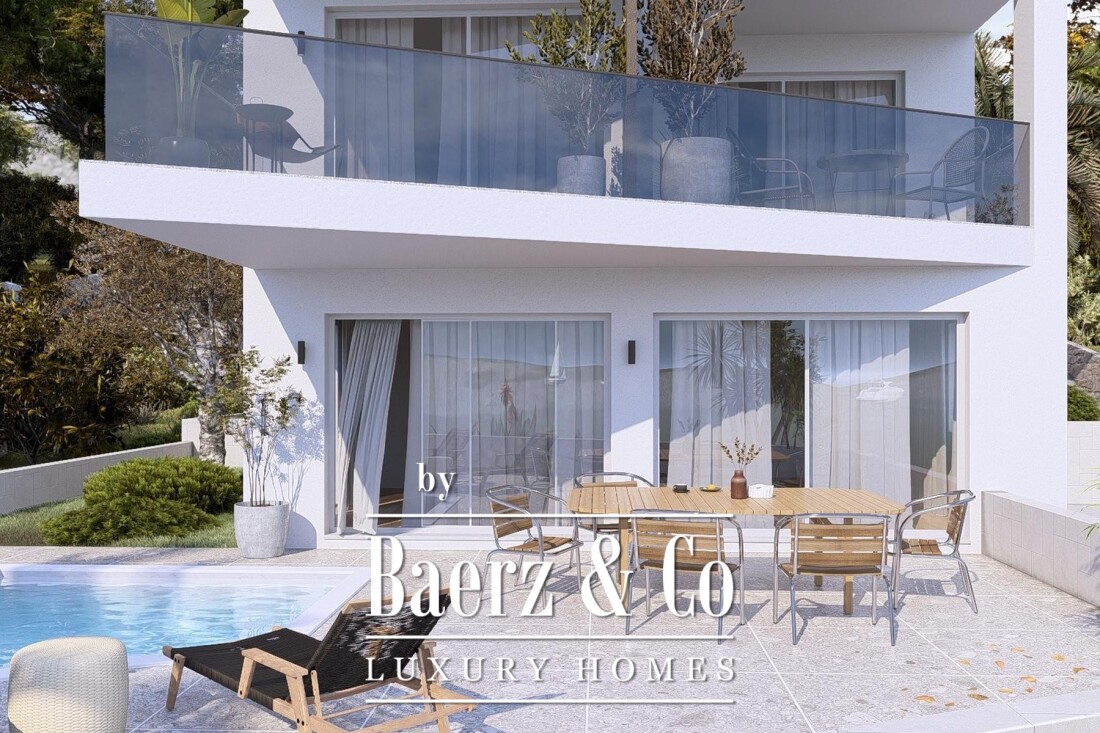
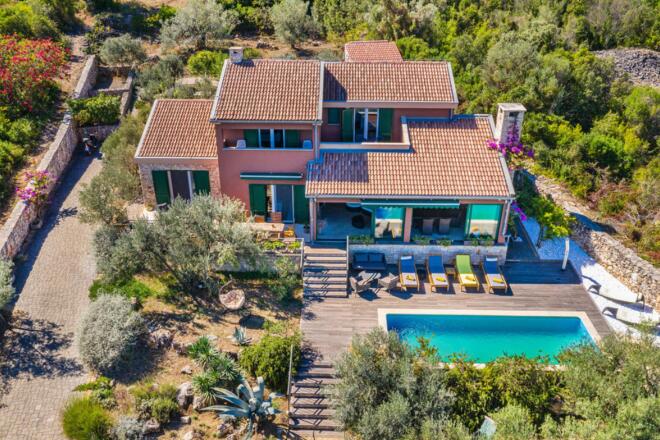
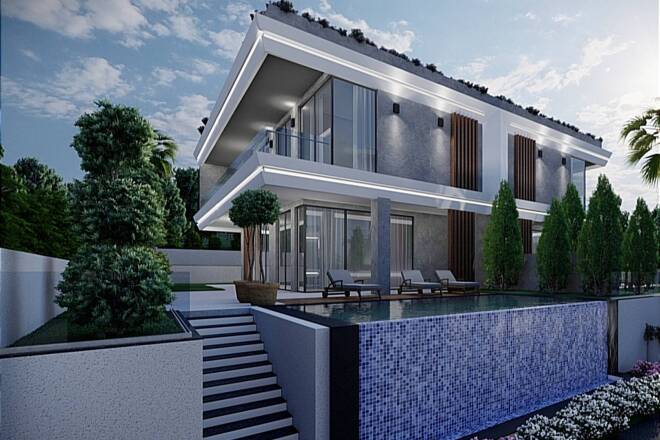
Browse a curated selection of exceptional homes, from hillside modernist retreats to waterfront residences. Our offering includes properties rarely available to the broader market, ensuring clients access to discreet, highly tailored opportunities aligned with their aspirations.