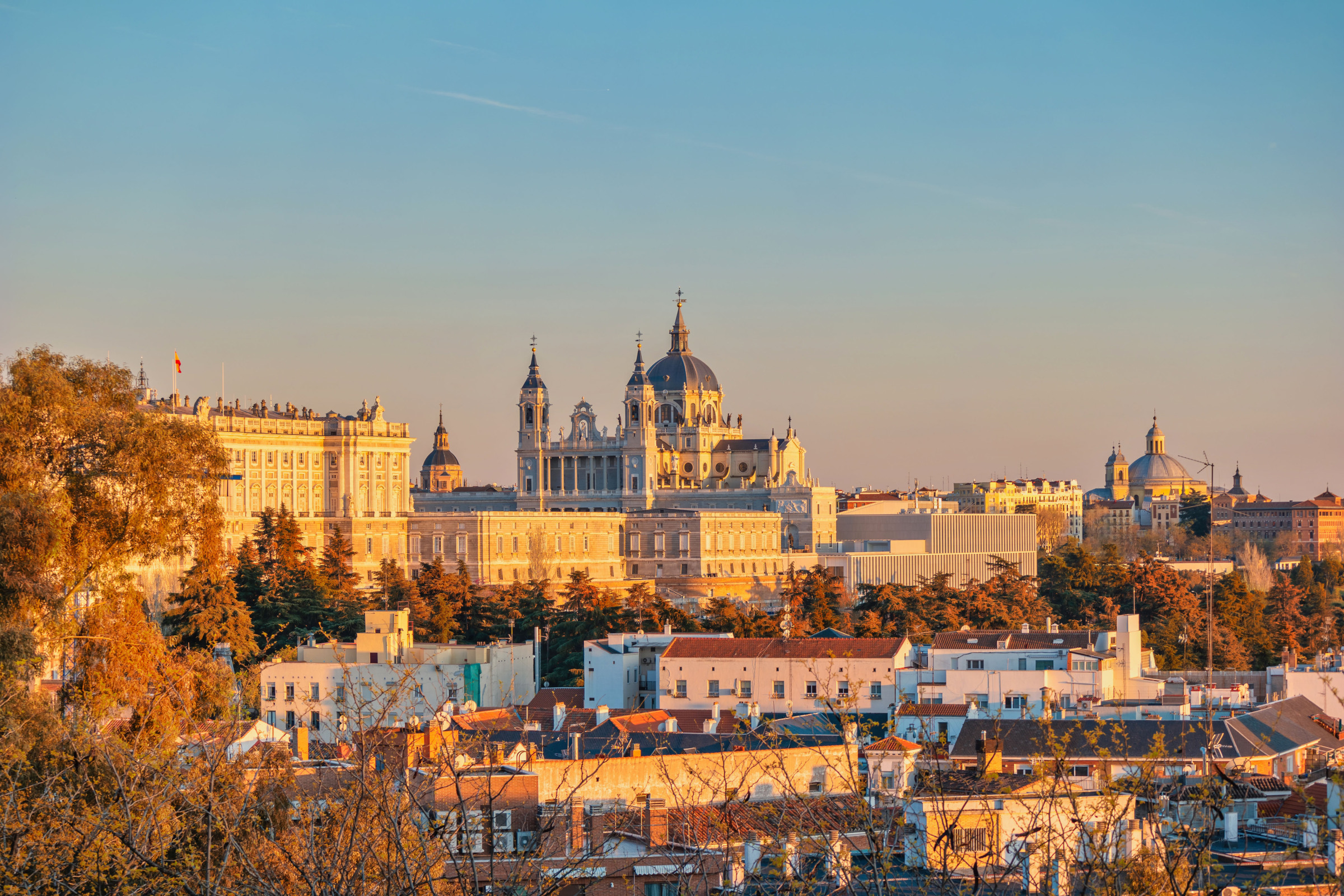
The Madrid luxury property market continues to attract a blend of international and domestic buyers, drawn to its stable demand and long-term investment prospects. Prime districts have seen resilient pricing, owing to limited new inventory and enduring interest from families, executives, and investors. Transaction volumes often mirror broader European trends, with purchase timing influenced by economic sentiment and global mobility patterns.
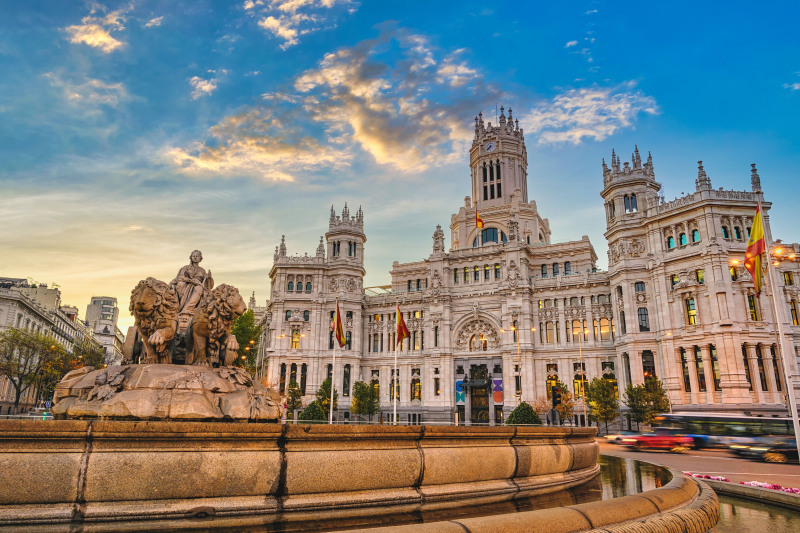
Salamanca is synonymous with luxury retail and stately avenues, while Chamberí is admired for its quieter streets and Belle Époque architecture. Jerónimos benefits from its unique position beside both the Retiro Park and the city’s leading museums. Chamartín, favored by executives, offers contemporary apartments and proximity to business hubs. Other notable neighborhoods include Justicia, which has emerged as an arts and fashion destination, and El Viso with its tranquil, detached homes. Market momentum is strongest in central and well-connected areas, with limited supply keeping values robust.
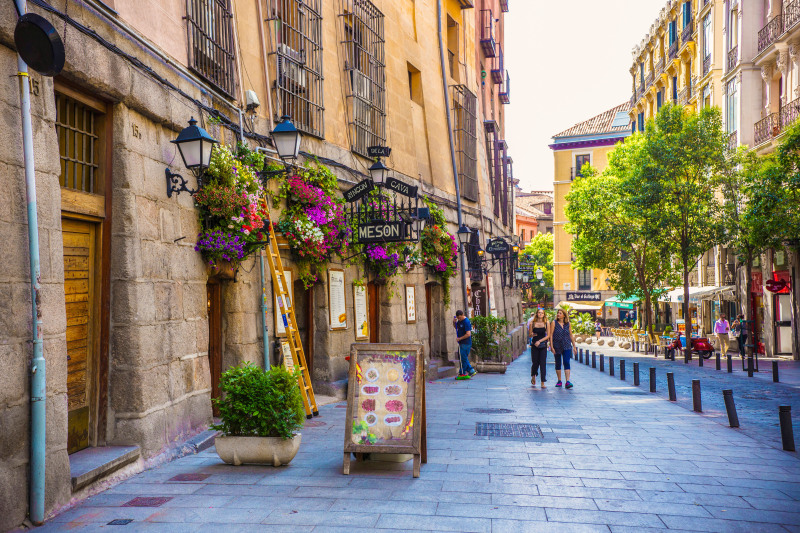
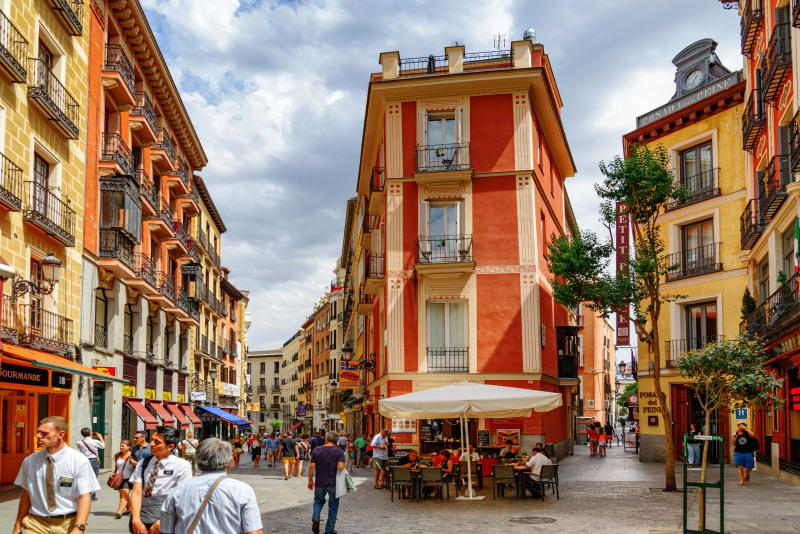
The appeal of Madrid lies in its harmonious blend of tradition, sophistication, and modern infrastructure. Acquiring property in this city is not solely a transaction; it’s an opportunity to be part of a cultural and financial center. High-net-worth individuals and families often prioritize neighborhoods that balance residential tranquility with proximity to Madrid’s notable business, shopping, and leisure districts. Salamanca, Chamberí, Jerónimos, and Chamartín remain preferred for their architectural character, security, top-tier schools, and access to parks such as Retiro and El Viso. Families value Madrid’s international schooling network and renowned healthcare system, while professional buyers appreciate the proximity to corporate headquarters and embassies. Typical transaction patterns involve buyer due diligence and a robust legal framework—Spanish property law requires notarized contracts and registration, providing stability and clarity. Private sales, pre-market opportunities, and off-market negotiations are common, particularly in Madrid’s most coveted postcodes. In prime locations, competition for landmark properties is strong, driven by a mix of local demand and international capital seeking both capital preservation and family use.
The process begins with selection and legal due diligence, followed by a reservation contract and deposit. Completion typically requires a notary public and registration. International buyers often engage bilingual advisory teams to assist with legal, fiscal, and administrative facets of ownership. Transactions proceed with transparency and efficiency, and multilingual notaries and agents are widely available. Financing is accessible for non-residents, subject to local provider terms and credit review. Madrid’s market is known for its discretion, efficiency, and strong protections for private ownership.
Investors seeking rental income will find stable tenant demand, particularly in central and business-centric areas. International executives, diplomats, and students drive the long-term rental market, appreciating Madrid’s cosmopolitan environment. Short-term and corporate rental opportunities exist, notably where regulations permit, with professional management services supporting global landlords. Favorable taxation for certain structures and reputable agencies streamline both marketing and compliance. Investors should remain attuned to local laws regarding licensing and tenant protections.

Kyra Dekker is a trusted Personal Property Advisor serving Madrid and Spain’s premium markets since 2016. With strong local expertise and a robust international network, Kyra offers full-service support for HNW and UHNW buyers, including precise property searches, documentation, negotiation, legal and tax guidance, and aftercare. Known for honesty, empathy and tireless dedication, Kyra delivers clear communication, tailored solutions and real partnership at every step. Her client-first approach fosters trust and positive results, helping discerning clients find homes that match both their aspirations and their lifestyles.

























 Dutch
Dutch  German
  Spanish
  French
  Arabic
  Chinese
  Russian
  Swedish
  Portuguese
  Polish
  Greek
Greek  Italian